London Web Design Studio
Web Design for Restaurants London
Restaurant web design for London venues where mobile visitors decide quickly.
72h
First concept
Fixed
Scope & price
London
Based & focused
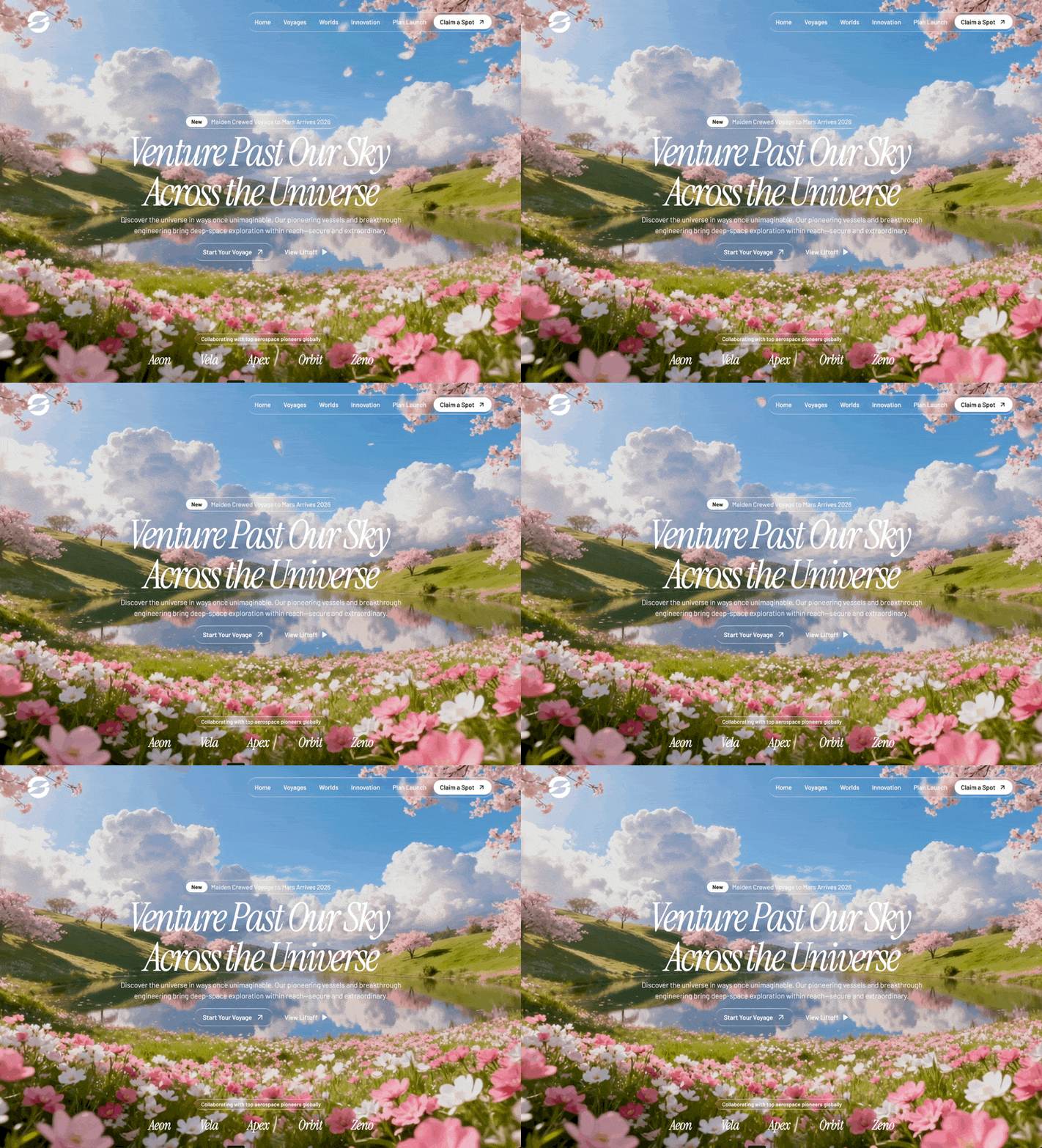
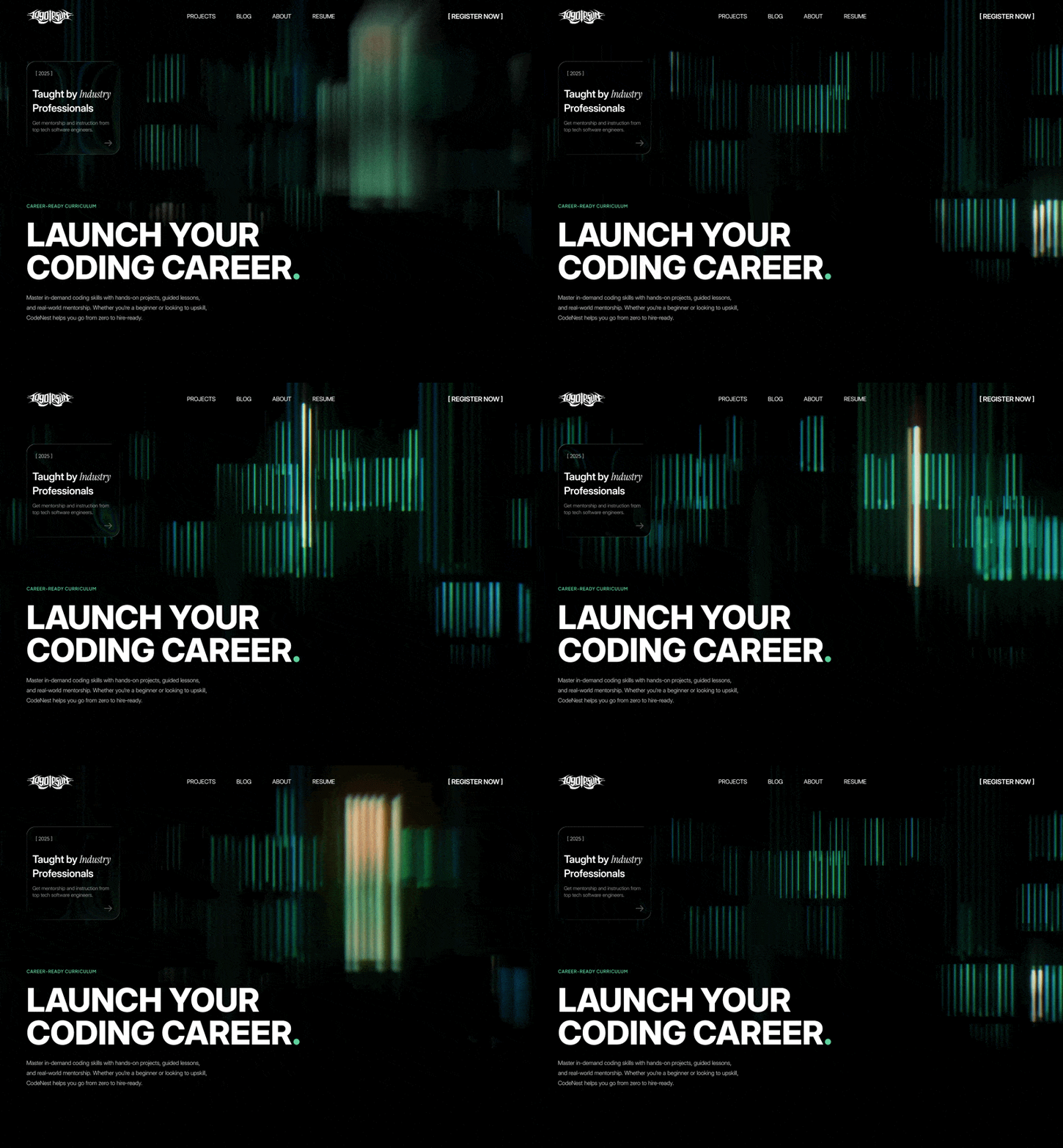
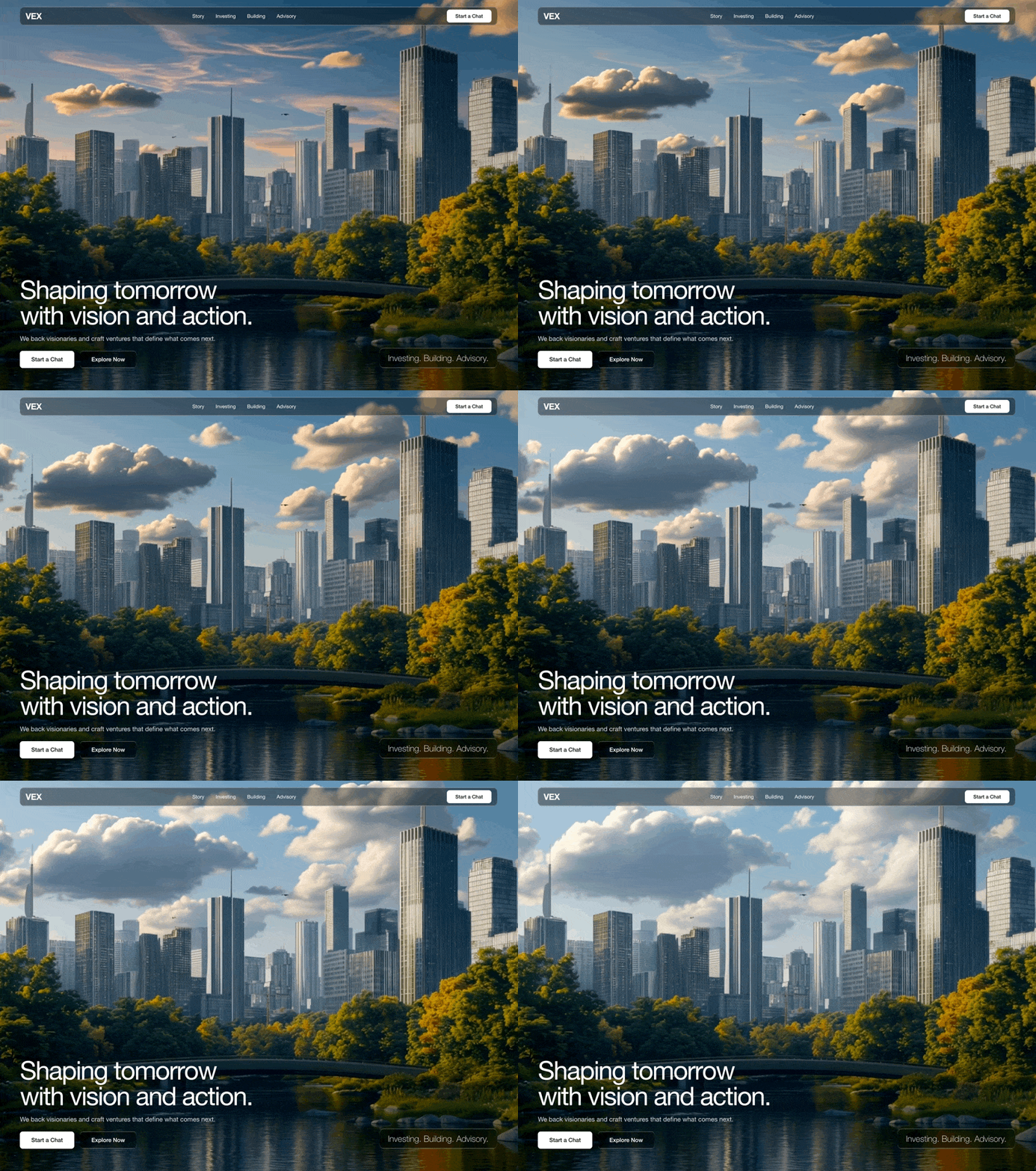
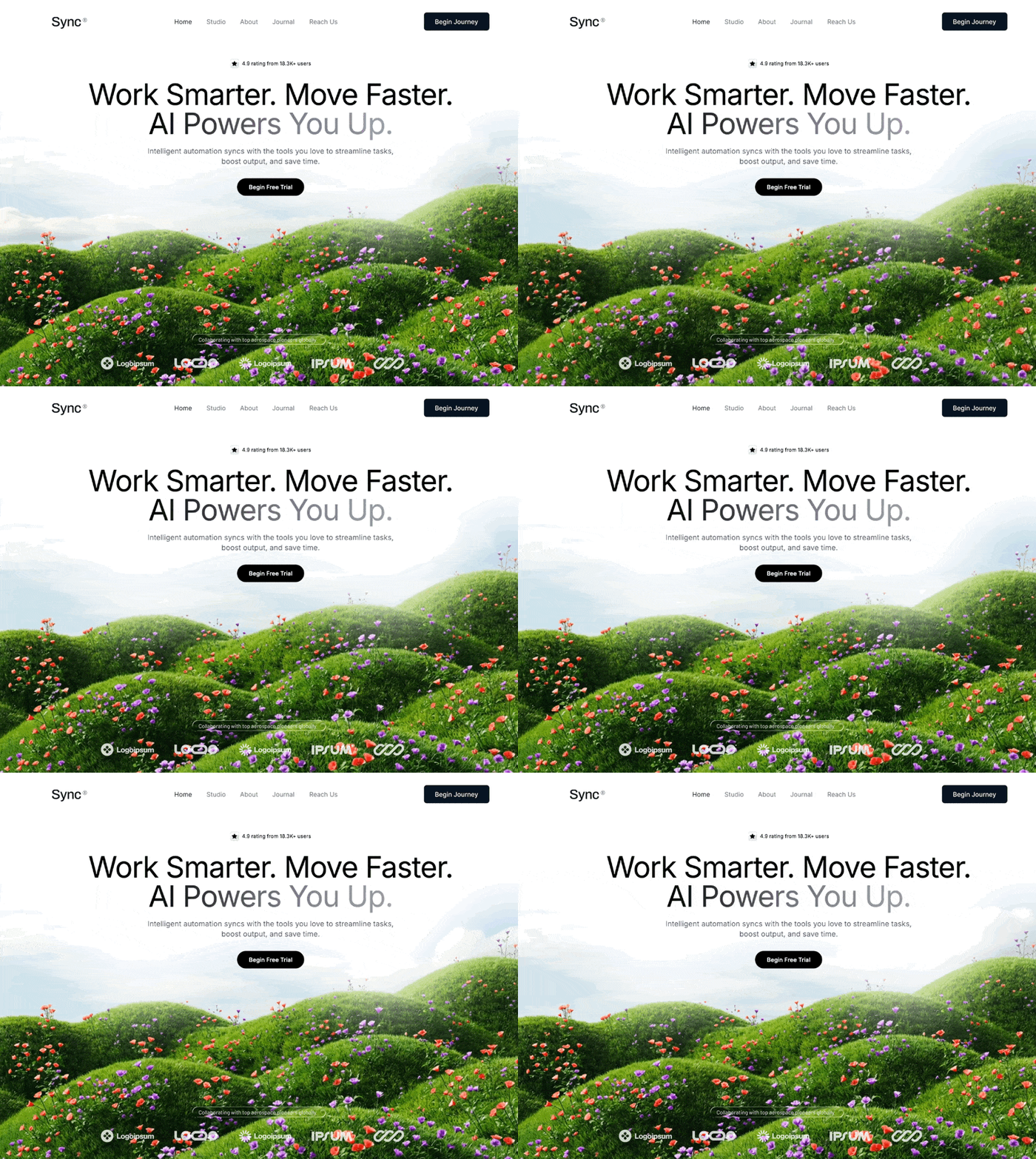
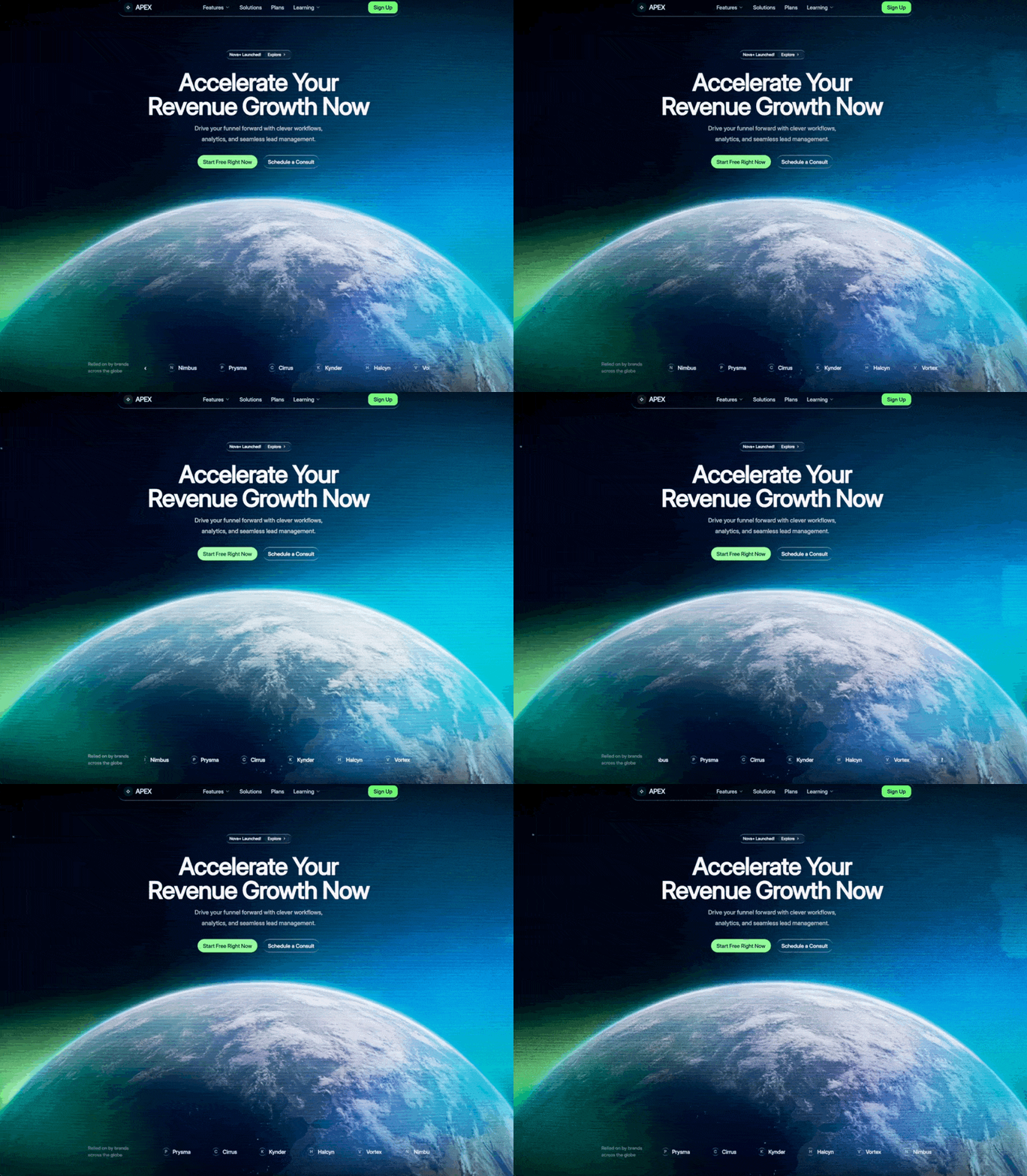
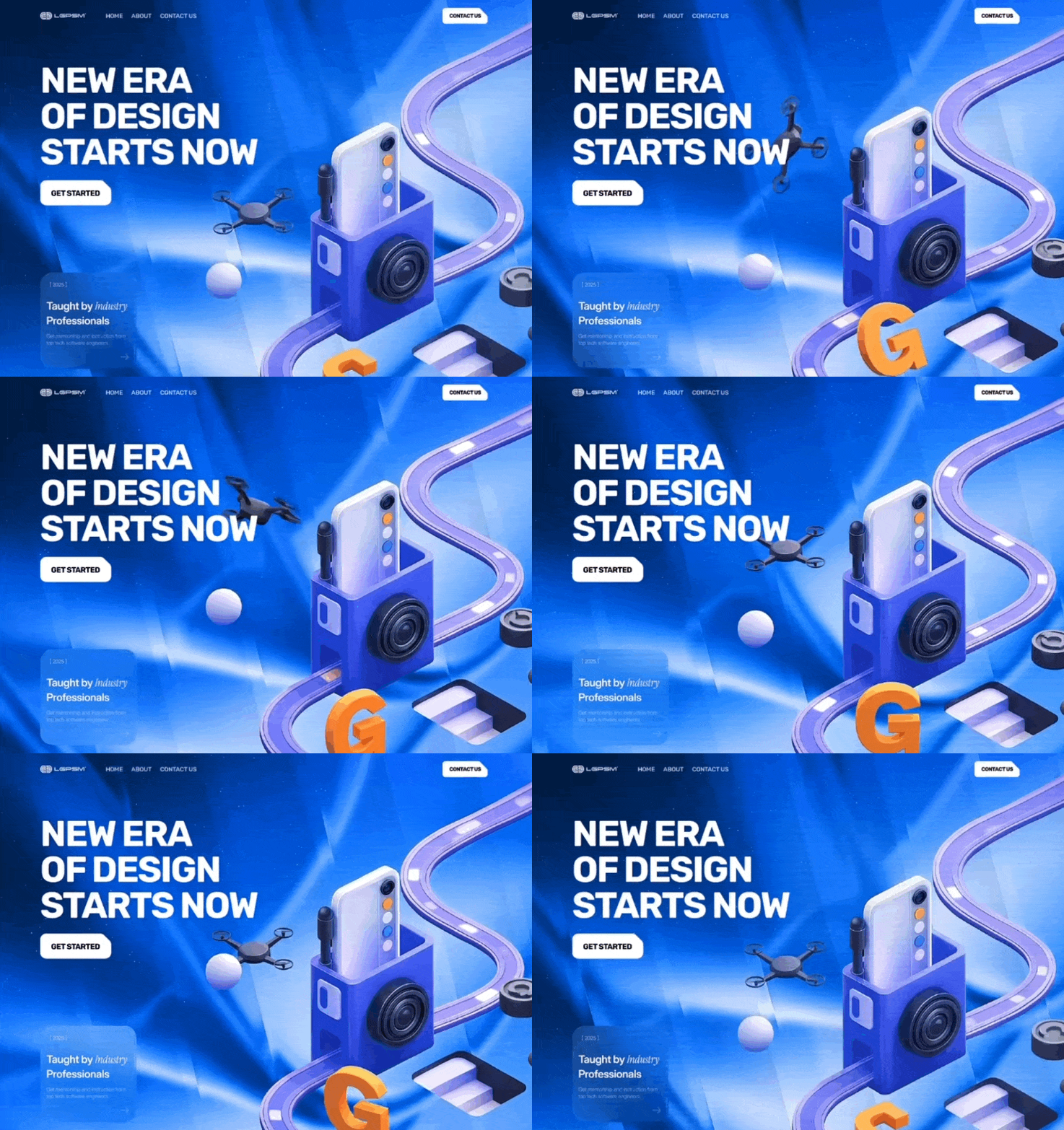
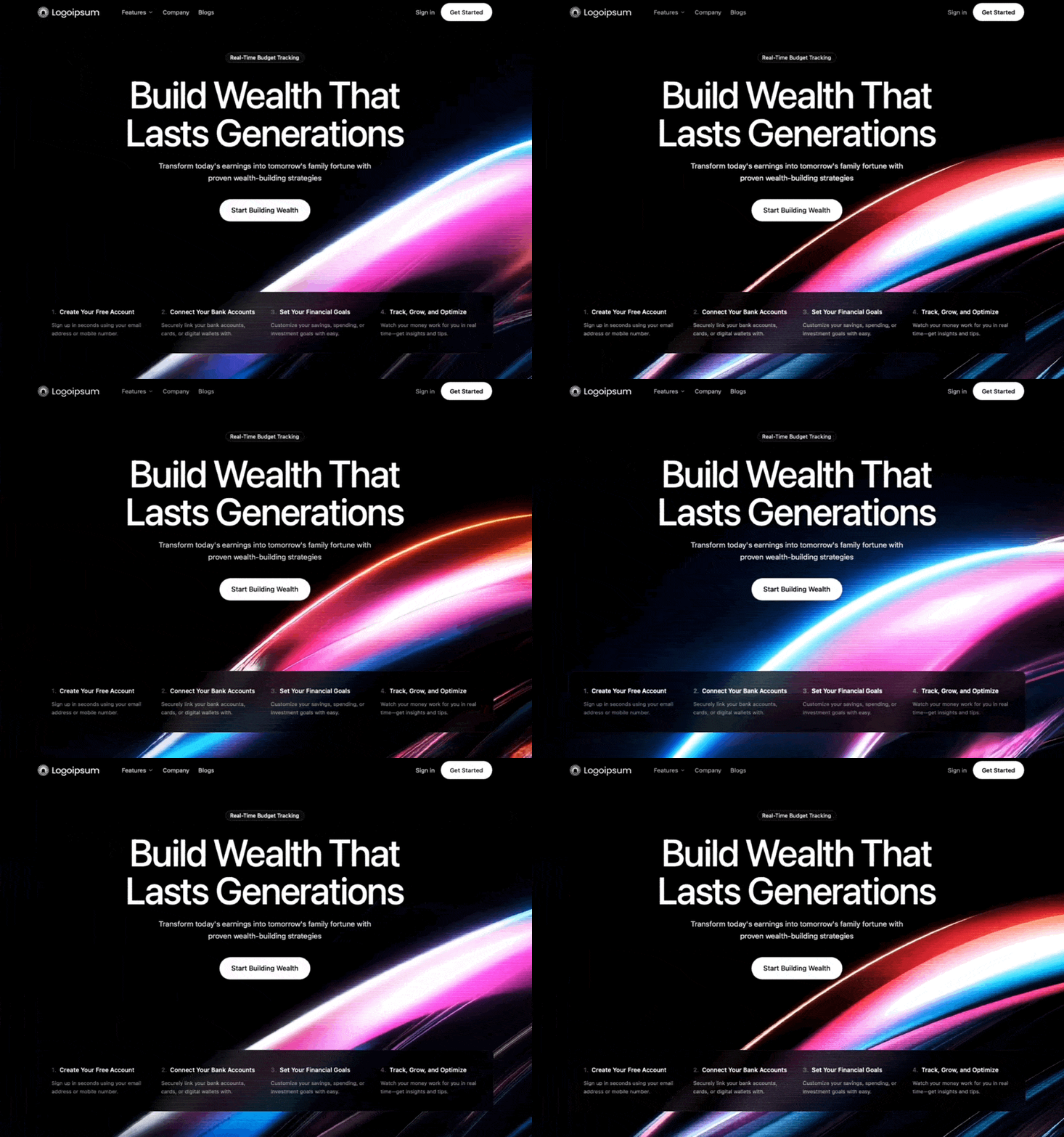
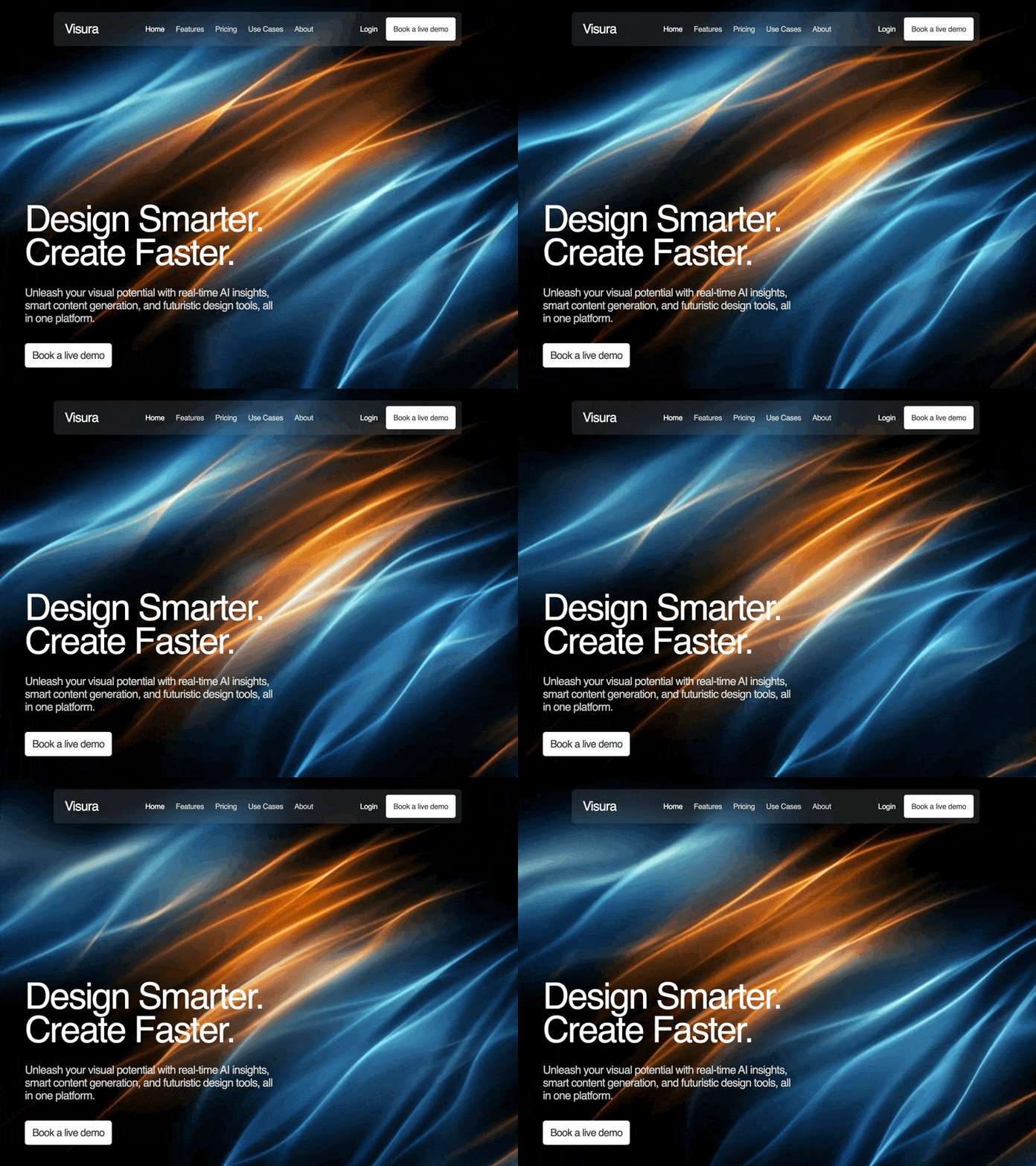
Recent work — London businesses
About this service
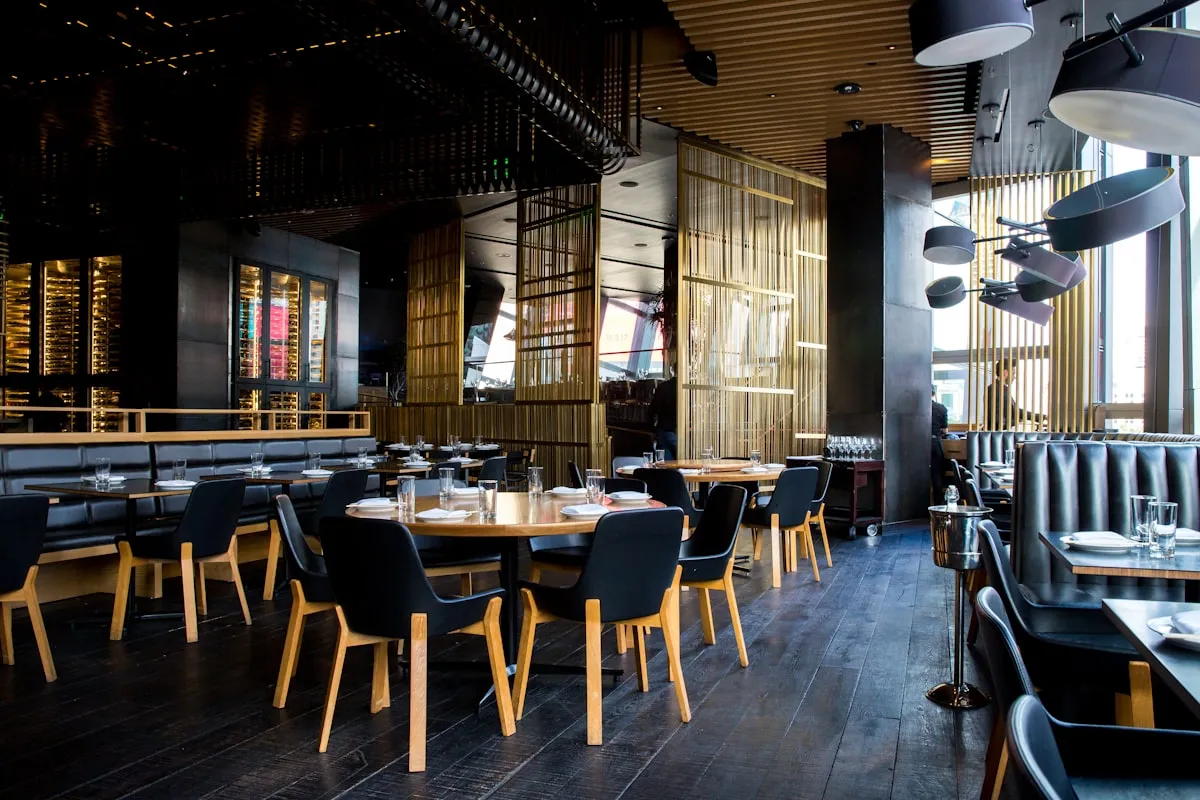
A London diner's decision cycle is measured in seconds, not minutes. Someone searching for a restaurant on their phone — walking through Soho at 7pm, planning a birthday dinner in Shoreditch, looking for Sunday lunch in Wimbledon — will assess two or three websites and book at the one that made the process effortless. If your website loads slowly, hides the menu behind a PDF, buries your booking link three clicks deep, or fails to convey what the experience actually feels like, you lose that diner to a competitor who did those things better. Restaurant websites in London fail in predictable, fixable ways. Menus as PDFs that do not load on mobile. Booking buttons that redirect to third-party platforms with no visual continuity. Homepage images that show the food beautifully but take eight seconds to load. Contact pages that list an address with no map embed. No mention of dietary options, allergen information, or private hire. None of these are design problems — they are structural problems that a well-built website solves immediately. We design restaurant websites for London venues of all types: neighbourhood bistros, fine dining destinations, group hospitality operations, and fast-casual concepts looking to build direct ordering volume. The starting point is always the same: what does a potential diner need to know in the first five seconds, how do they want to book, and what would make them choose your venue over the five comparable options within walking distance? We answer those questions with structure, speed, and photography direction — and we build the result as a fast-loading, mobile-first website that makes the booking decision as easy as possible.
Process
Our approach
Diner journey audit
We map the moment a potential diner searches for your type of venue, trace the path from search result to confirmed booking, and identify every point where your current website loses them.
Design and menu structure
Homepage atmosphere, HTML menu with allergen data, booking integration, events pages, and location information — designed for mobile-first and structured for Google's local search index.
Build and booking integration
Fast Next.js build with your chosen booking system integrated cleanly, photography optimised for mobile load speed, and schema markup for restaurant type and opening hours.
Launch and local SEO setup
Live site with Google Business Profile review, local citation consistency check, and analytics tracking bookings by source — so you can see which channels are sending diners your way.
Our method
How we approach this
Discovery Brief
We learn your market, competitors, and goals in a focused kick-off call — so every decision that follows is grounded in your reality.
Strategy & Content
We map the page hierarchy, keyword intent, and conversion copy before a single pixel is designed.
Design & Build
Your first concept arrives within 72 hours of brief sign-off, built in Next.js for speed, SEO and long-term maintainability.
Launch & Grow
We handle deployment, submit to Search Console, and stay available through the same team — no ticket queues.
Deliverables
What's included
Why it works
The difference in practice
Why us
Restaurant cover losses to competitors rarely come down to food quality or price — they come down to which venue made the booking decision easiest at the moment the diner was ready to commit. A restaurant website that loads in under two seconds on mobile, shows the menu without a PDF download, and gets the visitor to a confirmed reservation in three steps will consistently outperform one that does not — even when the food is better. London's dining market is too competitive for venue websites to be treated as digital brochures. They are booking conversion tools, and we build them to function as exactly that.
How we deliver
Fixed scope, fixed price — no hourly surprises. Discovery, design, build and launch handled by the same London-based team from day one.
Next step
Call or email to describe your project. We'll confirm scope and send a fixed quote within one working day — no sales call required.
Custom strategy built around your specific market and audience
Same template applied to every client regardless of sector
SEO architecture planned in discovery — hierarchy, schema, internal links from day one
Meta tags added as an afterthought, if at all
Fixed scope, fixed price — no billing surprises
Hourly billing or estimates that grow once work is underway
First design concept within 72 hours of brief sign-off
Two to four weeks before you see anything resembling the final direction
Ongoing support from the same team — no ticket queue handoffs
Post-launch tickets routed to someone unfamiliar with your site
Client results
What we actually move.
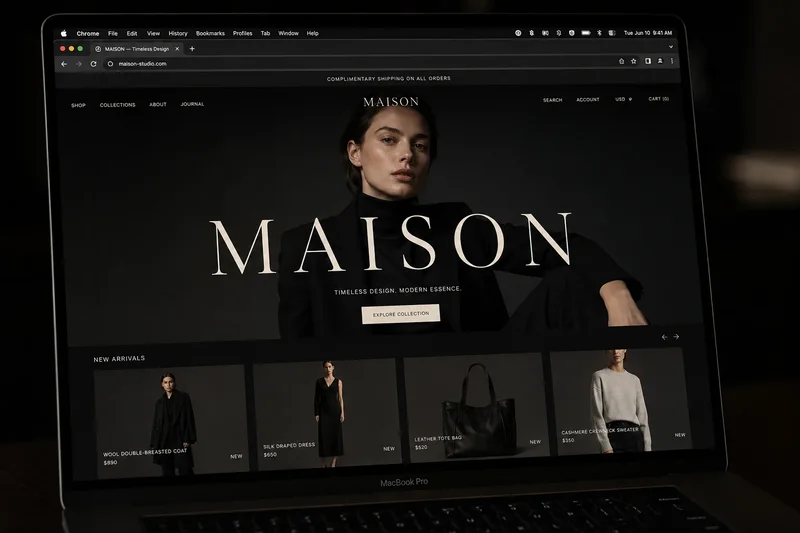
Luxury Fashion — Maison London
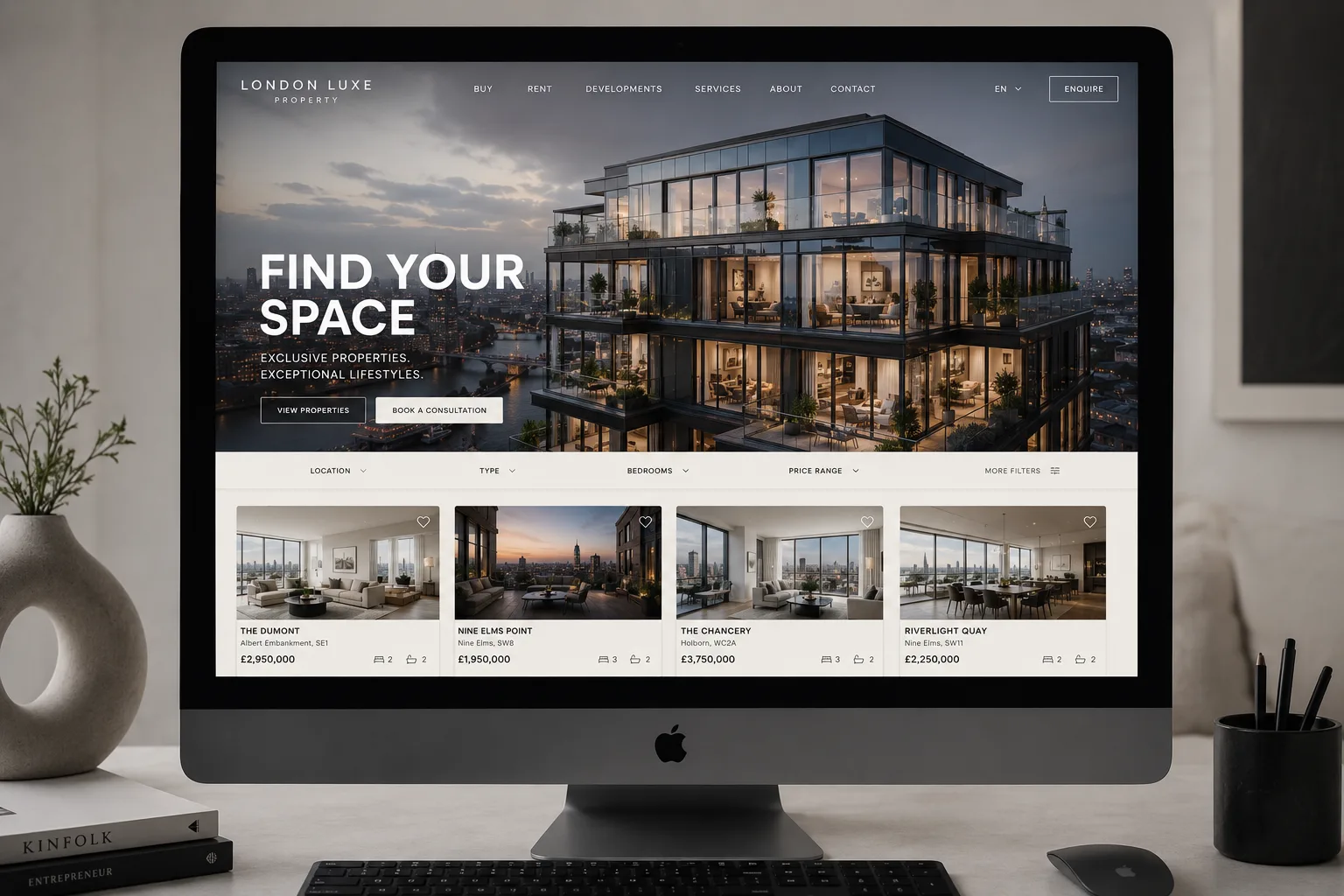
Premium Real Estate — London Luxe Properties
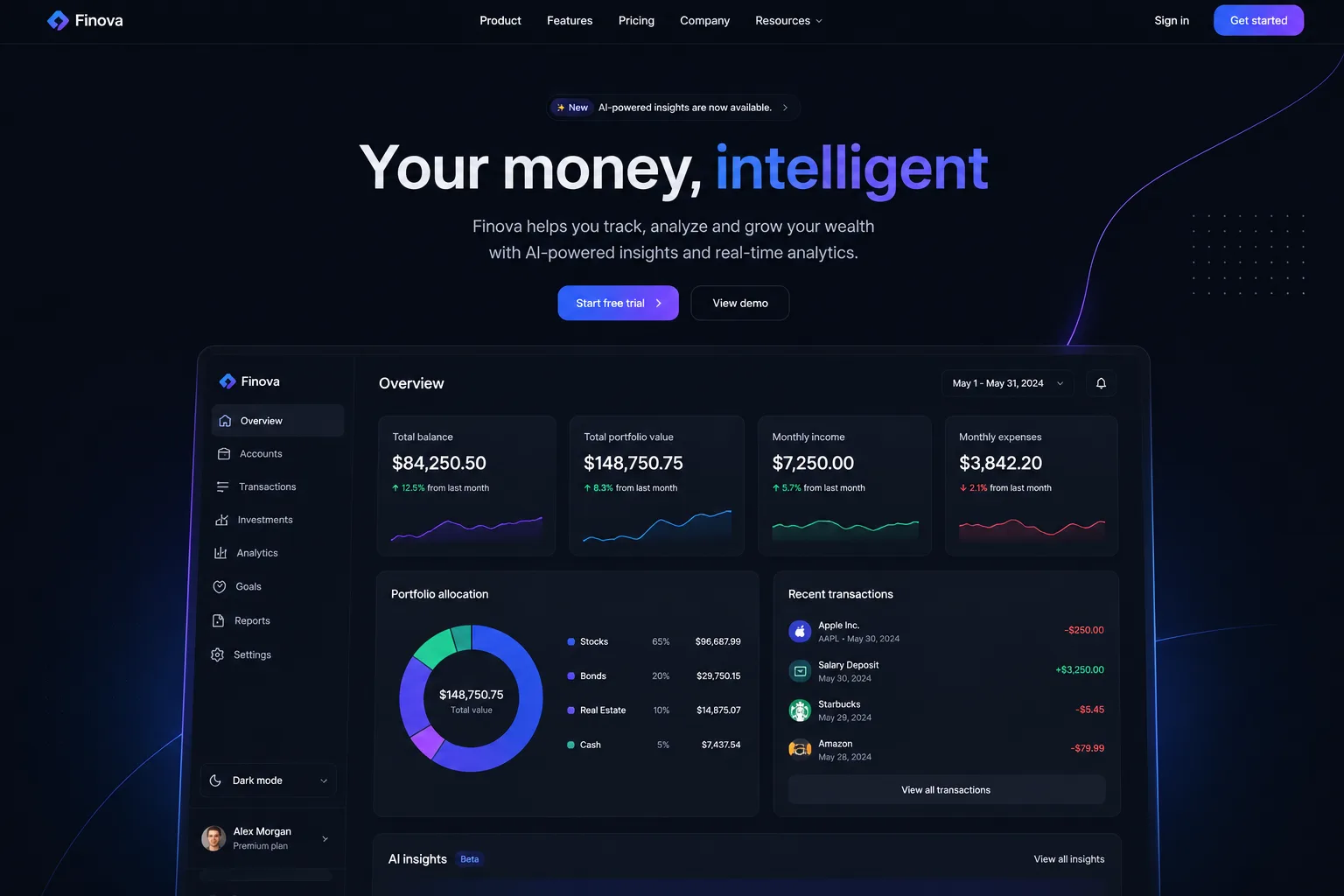
Fintech Platform — Finova
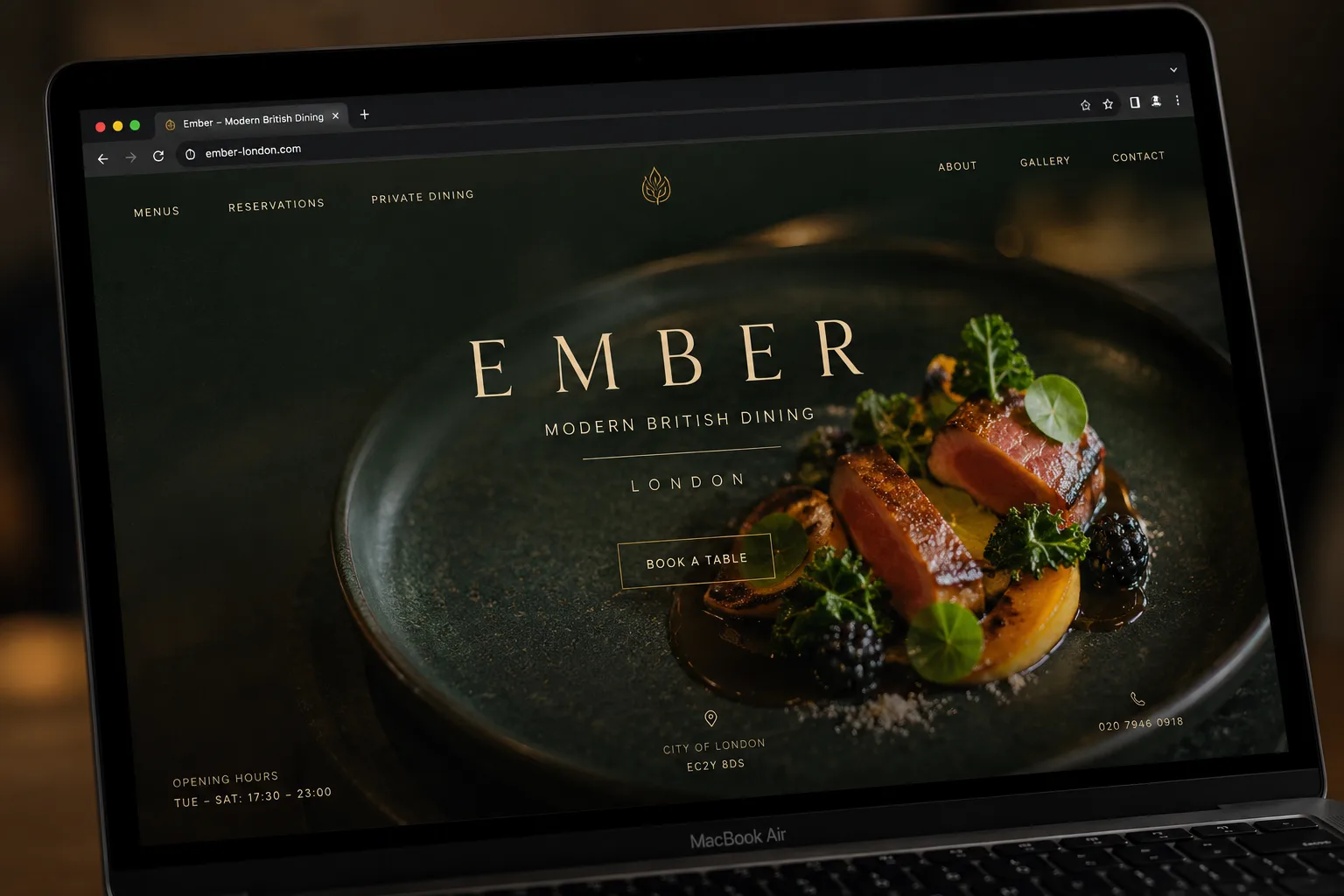
Fine Dining — Ember London
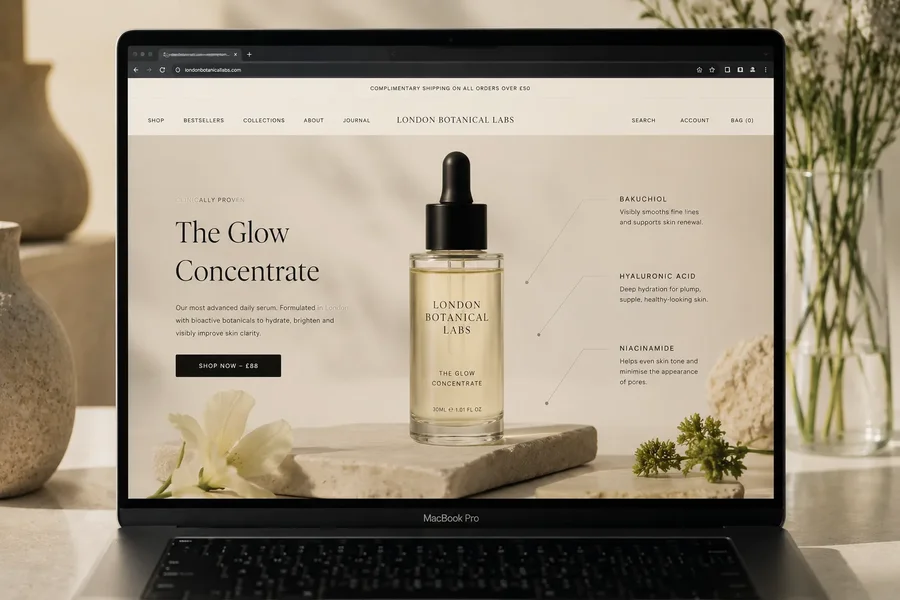
Clean Beauty — Botanical Labs
Common questions
FAQs
Why shouldn't I use a PDF menu on my restaurant website?
PDF menus are one of the single most common reasons restaurant websites lose mobile visitors. On mobile — which accounts for more than 70% of restaurant website traffic — a PDF requires a separate app to open, displays in a format not designed for phone screens, and cannot be indexed by search engines for specific dish or dietary searches. An HTML menu embedded directly in your website loads instantly, displays cleanly on any device, can include allergen and dietary filtering, and allows search engines to understand what your restaurant serves. A diner who cannot quickly read your menu on their phone will simply look at the next restaurant. PDFs are a convenience for printing, not for web visitors.
How does a better website help a restaurant get more reservations?
A restaurant website converts more reservations when it reduces the number of steps between 'I want to eat here' and 'table confirmed'. The most common conversion failures are: slow load time that causes mobile visitors to leave before the page finishes loading, no visible booking CTA on the homepage, a booking system that opens in a visually jarring pop-up or redirect, and a menu that requires a PDF download before the visitor has decided they want to eat there. Fixing these structural issues — not redesigning the entire site — is often enough to measurably increase reservation conversion from the same traffic. We audit your current site's conversion path before recommending whether you need a rebuild or targeted improvements.
What booking system should I integrate with my restaurant website?
The right booking system depends on your reservation volume, whether you take pre-payments or deposits, and whether you manage your own floor plan or use a third-party service. ResDiary, SevenRooms, and OpenTable are the most widely used in London's independent and group restaurant sector. We integrate all three seamlessly into restaurant websites. The integration should feel like part of your website — consistent visual design, no jarring brand switches, and a booking confirmation flow that reinforces your venue rather than displaying the software provider's branding. If you currently take bookings by email or phone only, we can also scope a lightweight booking form integration that does not require a full reservation management subscription.
How do I rank for '[cuisine] restaurant London' search terms?
Restaurant search rankings in London depend on three overlapping systems: Google Search (organic), Google Maps (local pack), and third-party platforms like Yelp and TripAdvisor. For your own website to rank in Google Search for cuisine and neighbourhood terms, you need structured service pages targeting specific searches — 'Italian restaurant Islington', 'Sunday roast Clapham', 'private dining Mayfair' — combined with fast load performance and proper schema markup. For Google Maps rankings, your Google Business Profile needs complete, consistent, and actively managed information. We build the on-site foundations and provide guidance on the off-site signals that compound into local search visibility over time.
How much does a restaurant website cost in London?
A focused restaurant website — homepage, menu, booking integration, events, and contact — starts from £1,200. A full website with private hire pages, gift voucher functionality, chef story, multiple menus, and local SEO structure typically runs between £2,000 and £4,000. For restaurant groups with multiple venues, bespoke online ordering integration, or loyalty programme tie-ins, budgets start from £5,000. We quote fixed prices before any work begins and do not charge for scope that was agreed at the outset. The most significant cost factor is the volume of pages and the complexity of the booking or ordering integrations required.
SEO cluster
Related London pages
These internal links help visitors and search engines move between the strongest commercial search intents.