London Web Design Studio
UX Design London
Every drop-off is lost revenue. London UX design that diagnoses friction and fixes what's costing you conversions.
72h
First concept
Fixed
Scope & price
London
Based & focused
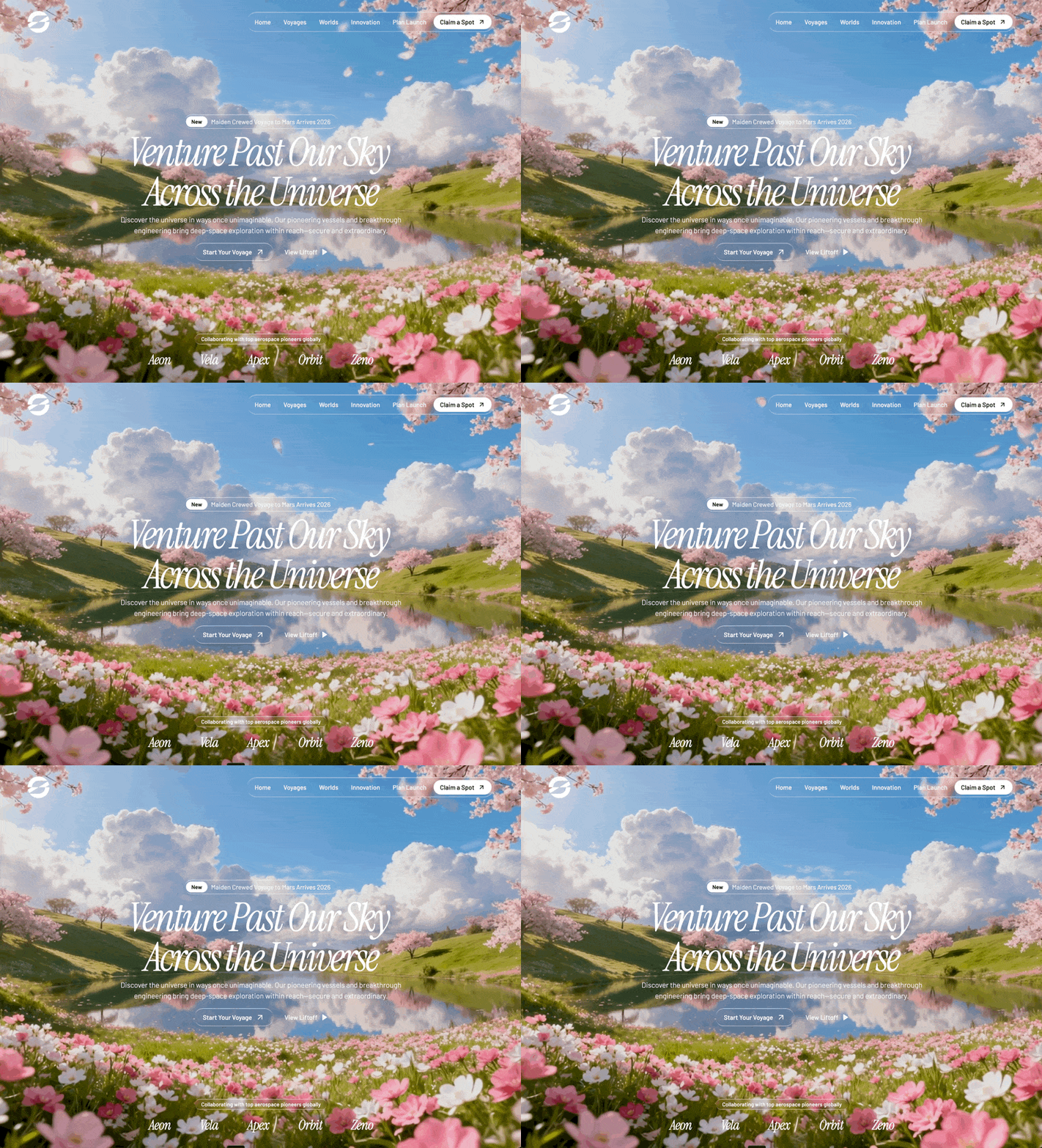
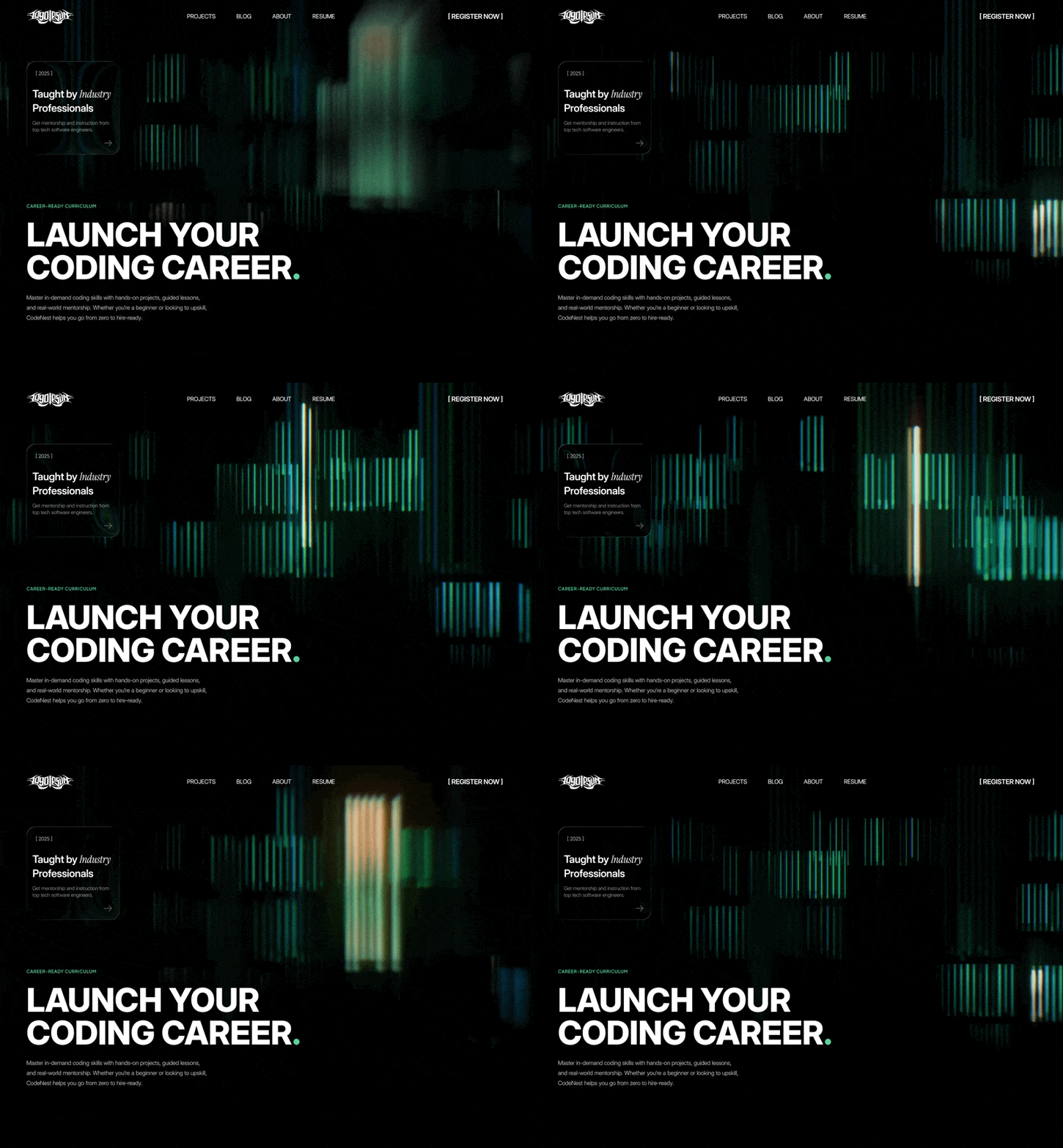
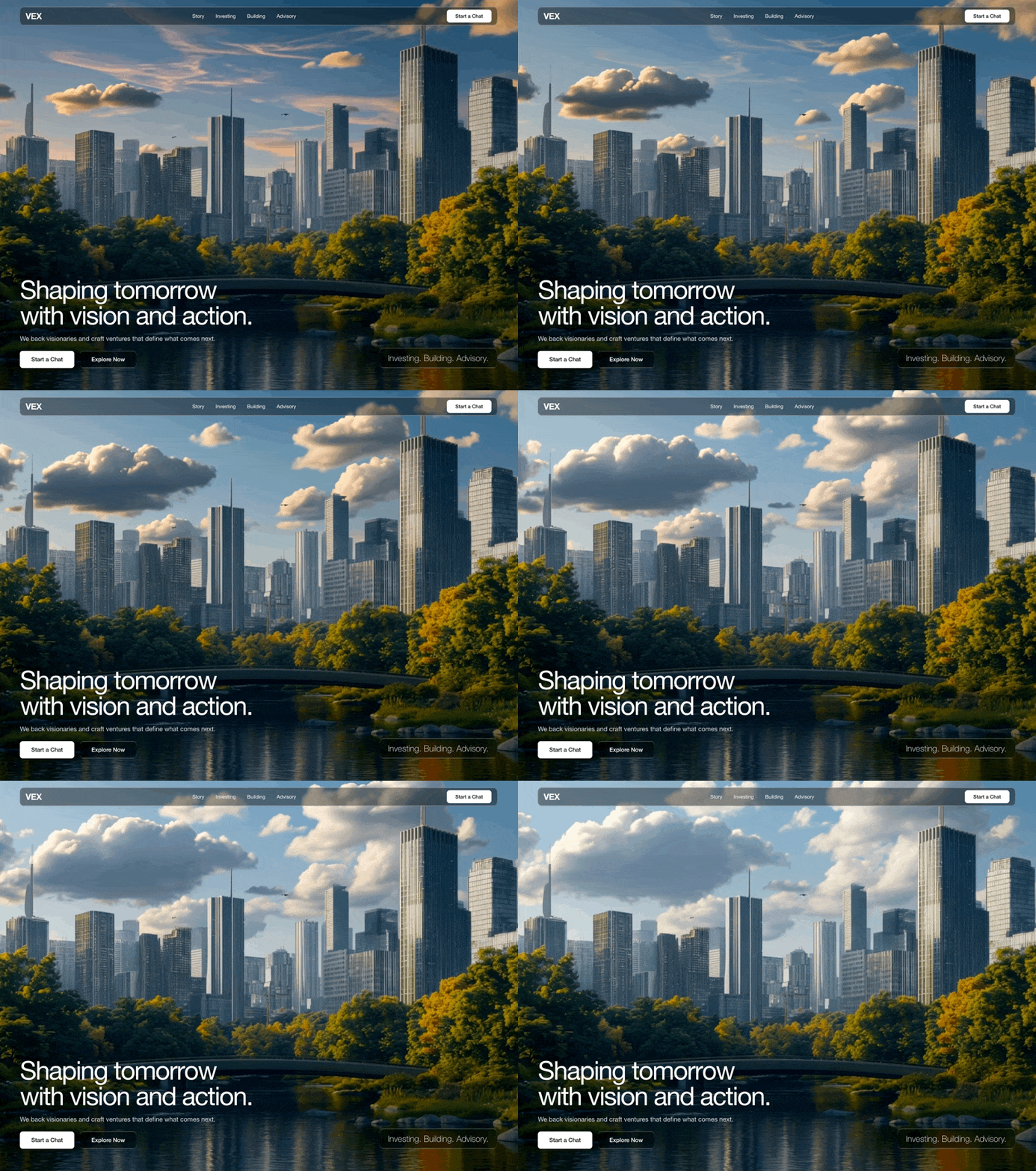
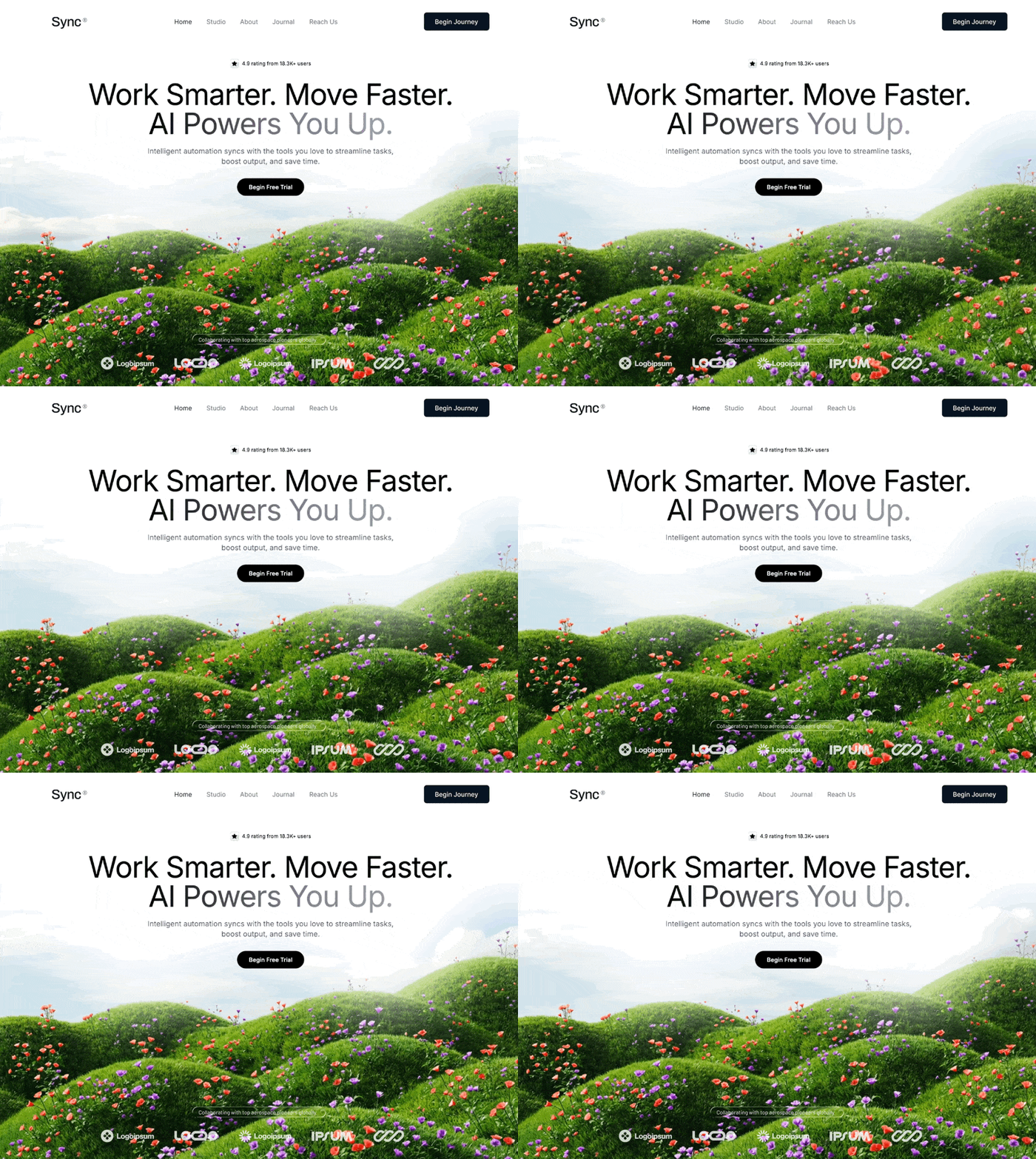
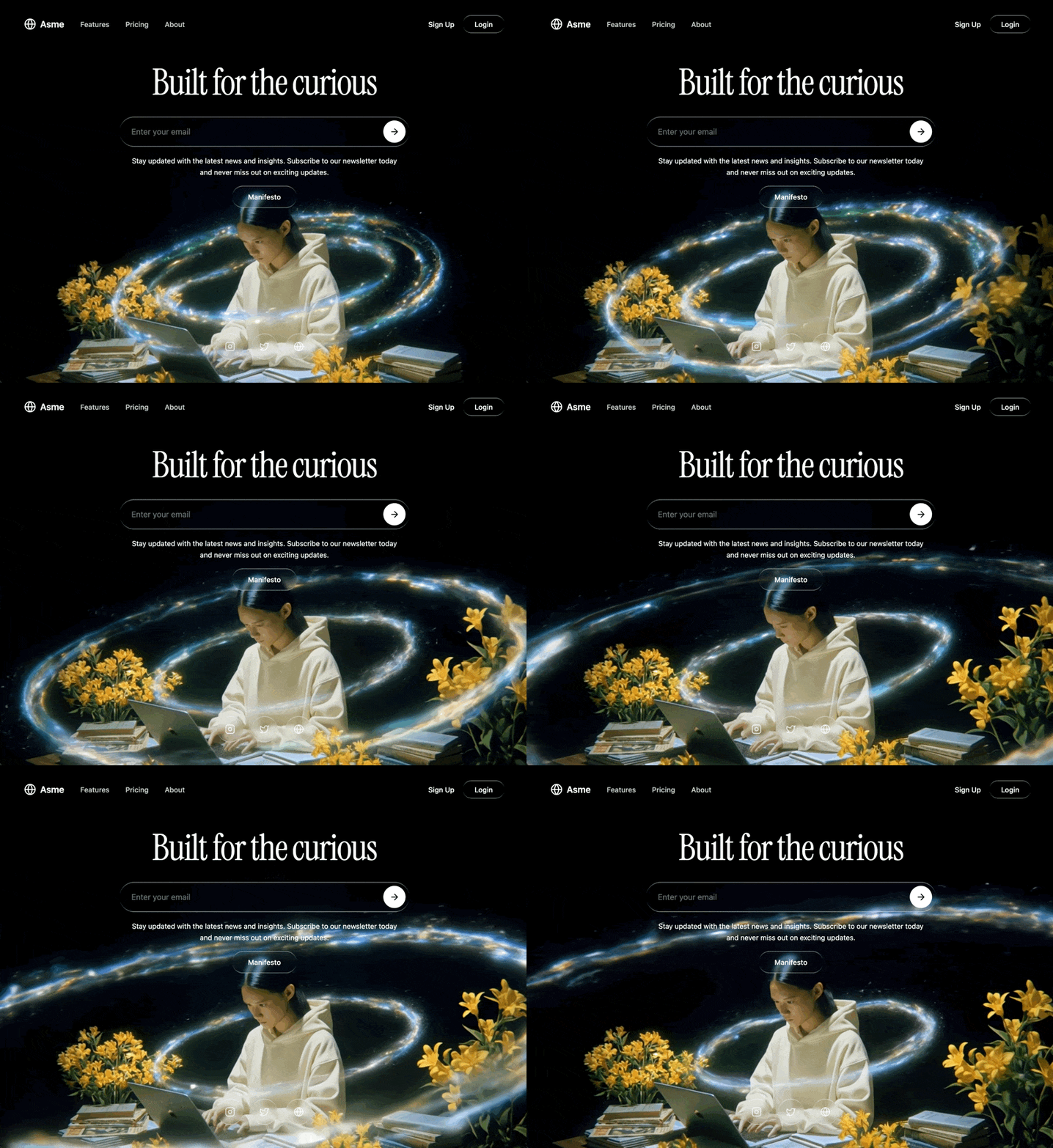
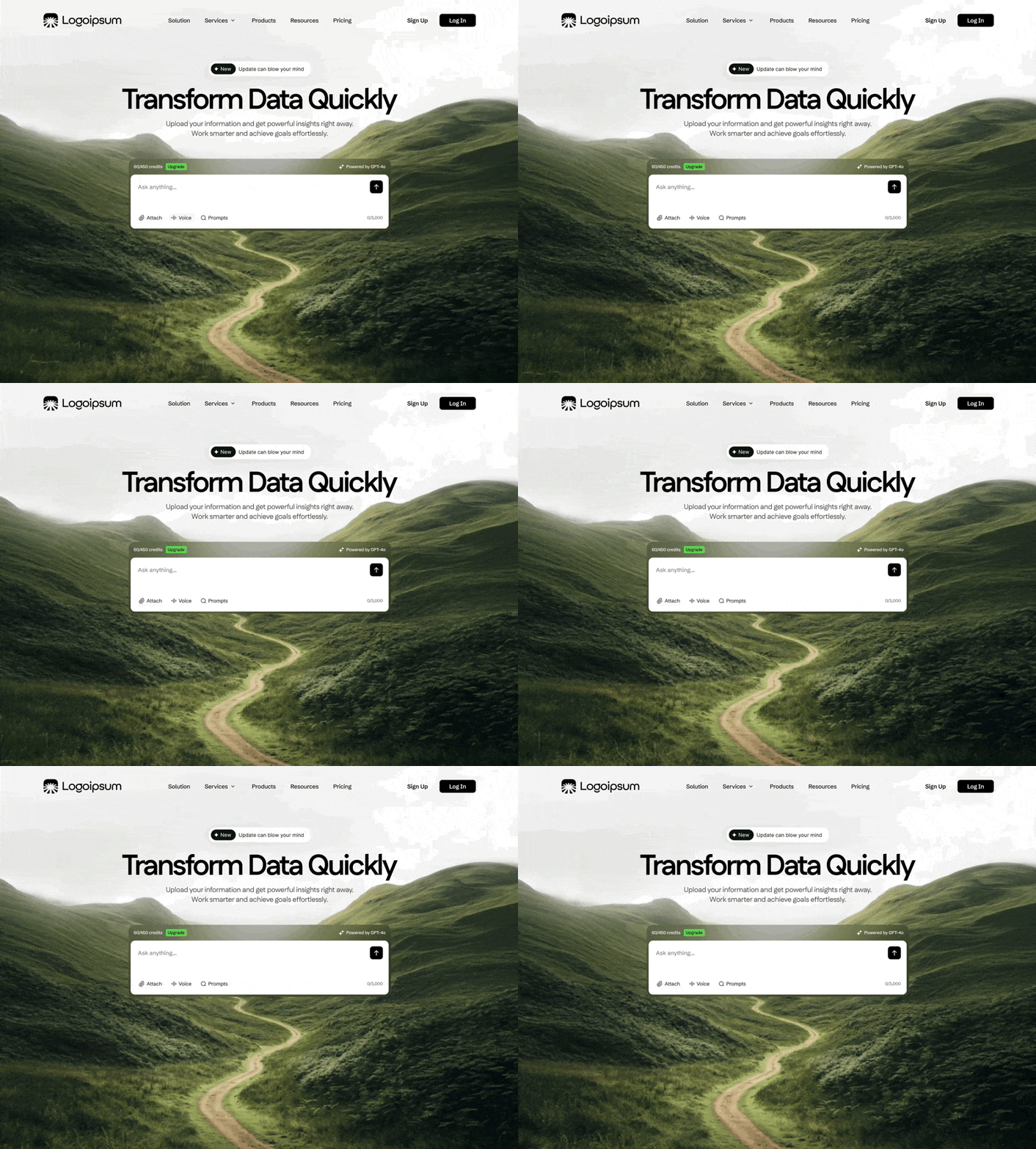
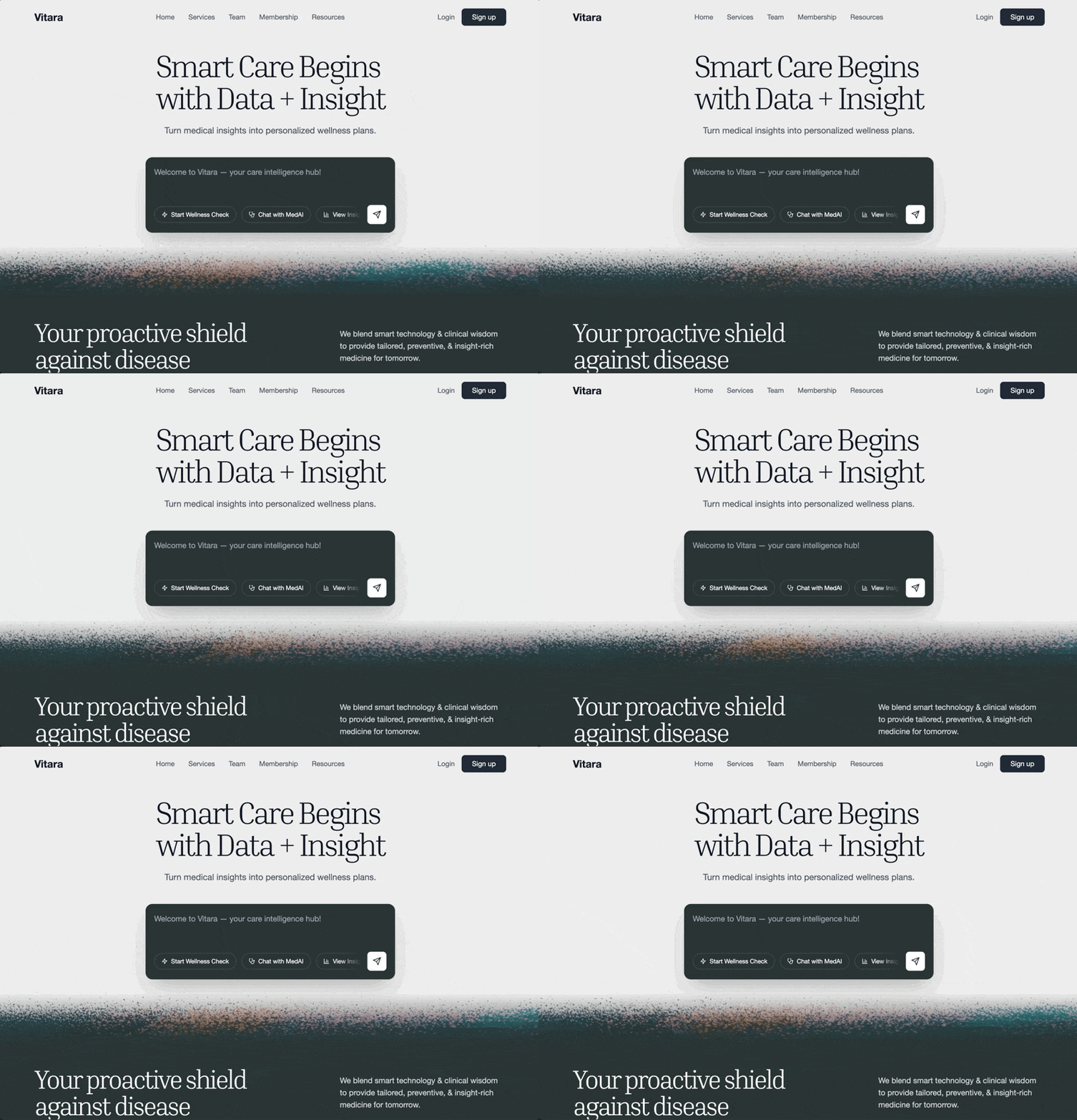
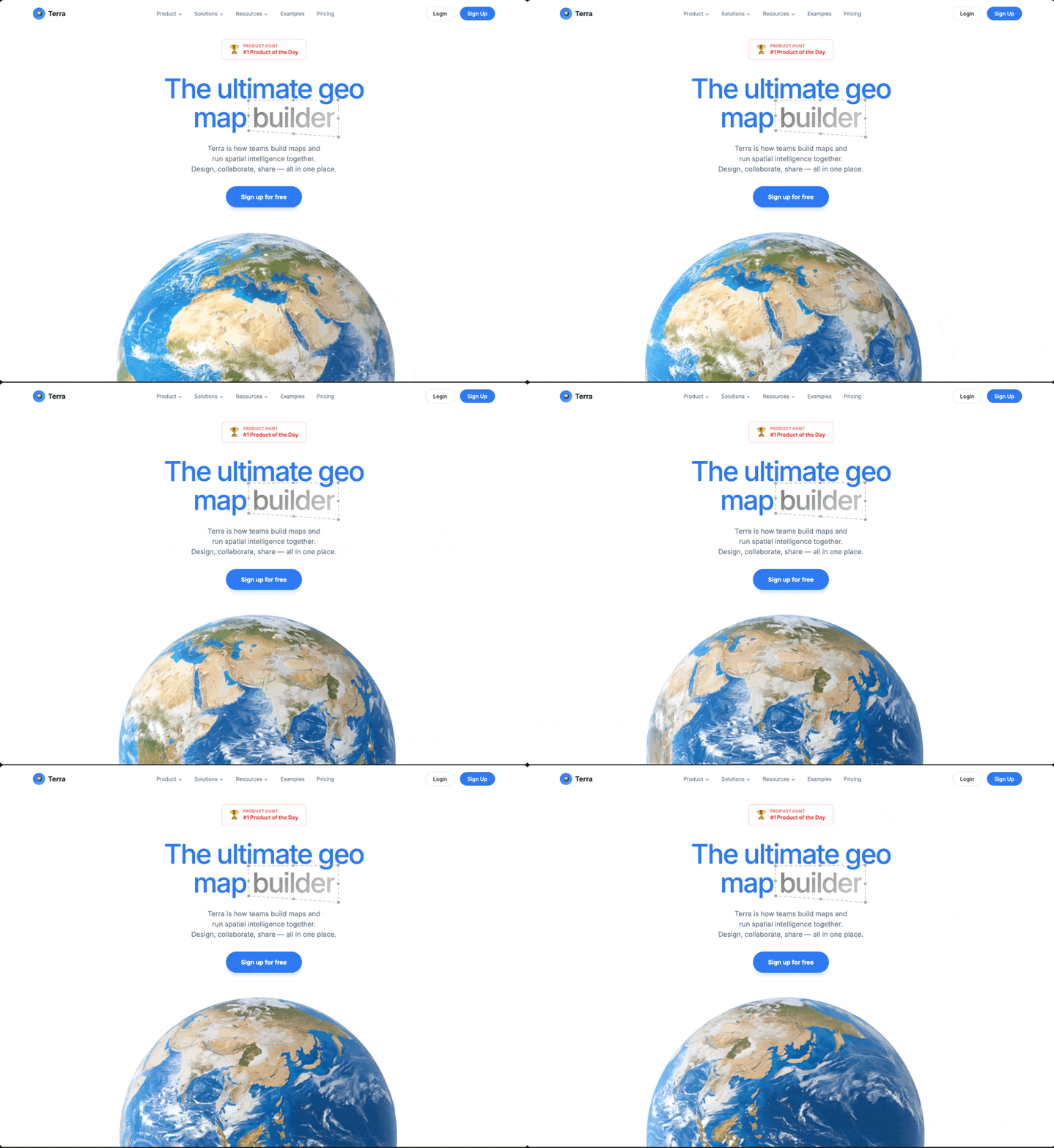
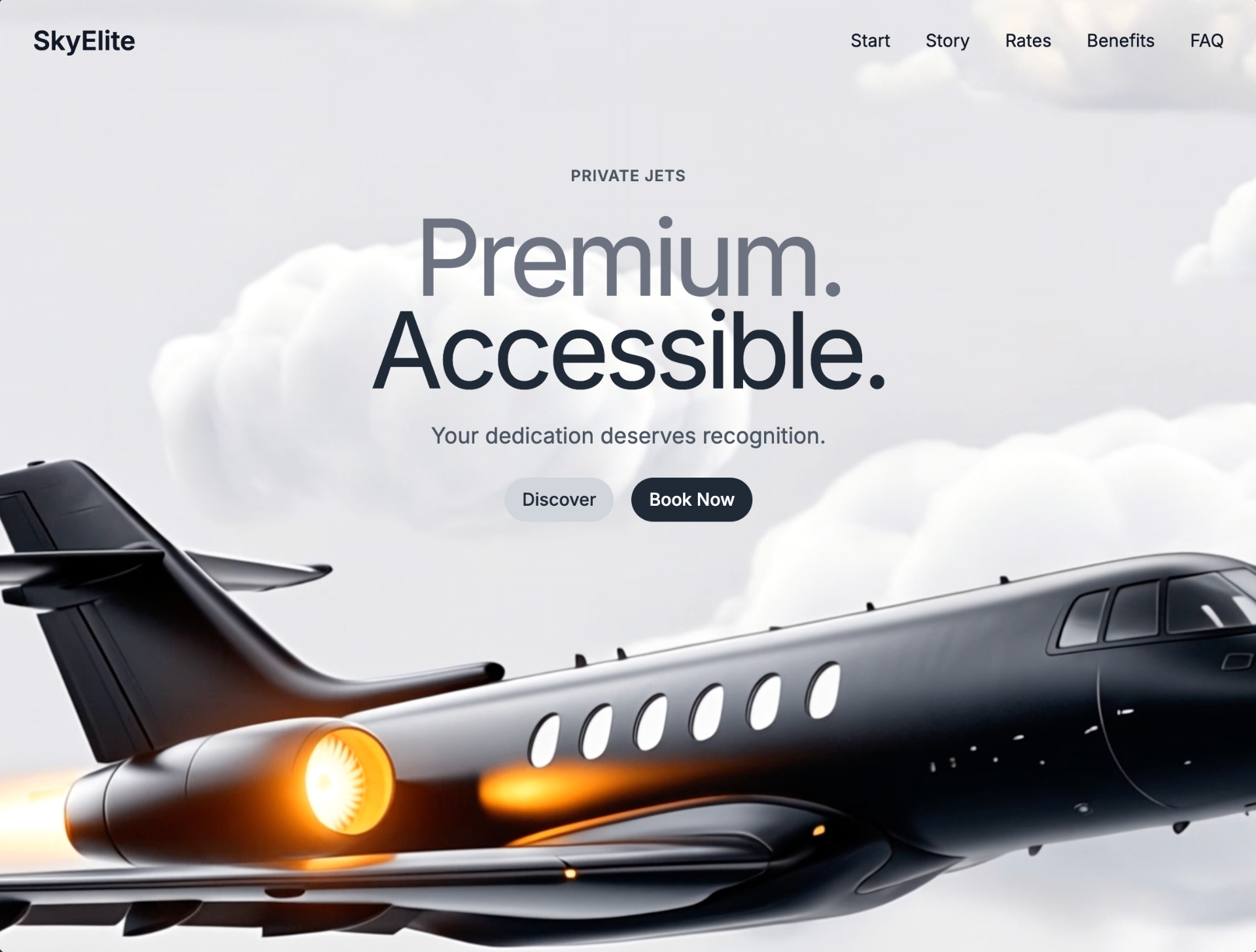
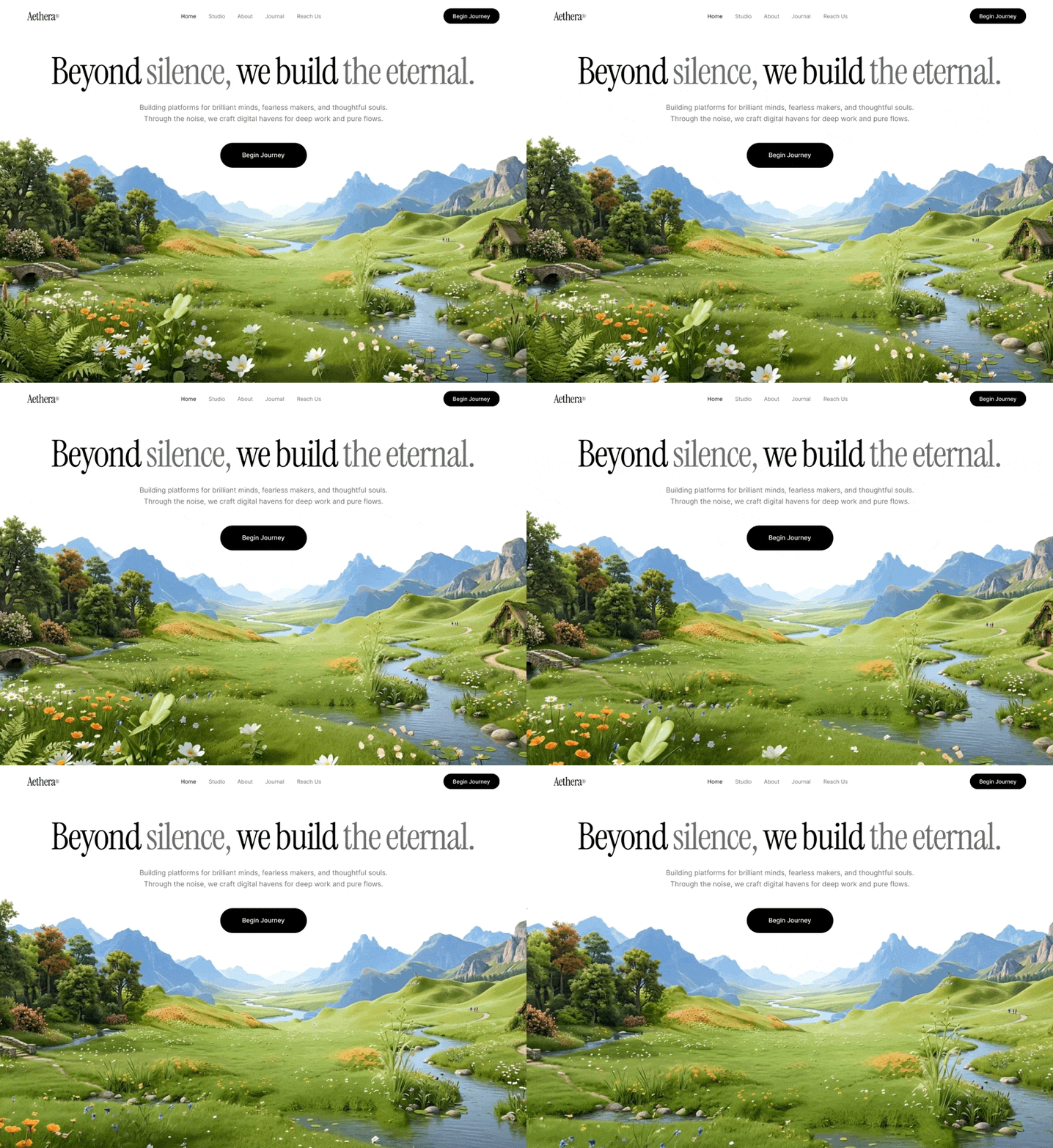
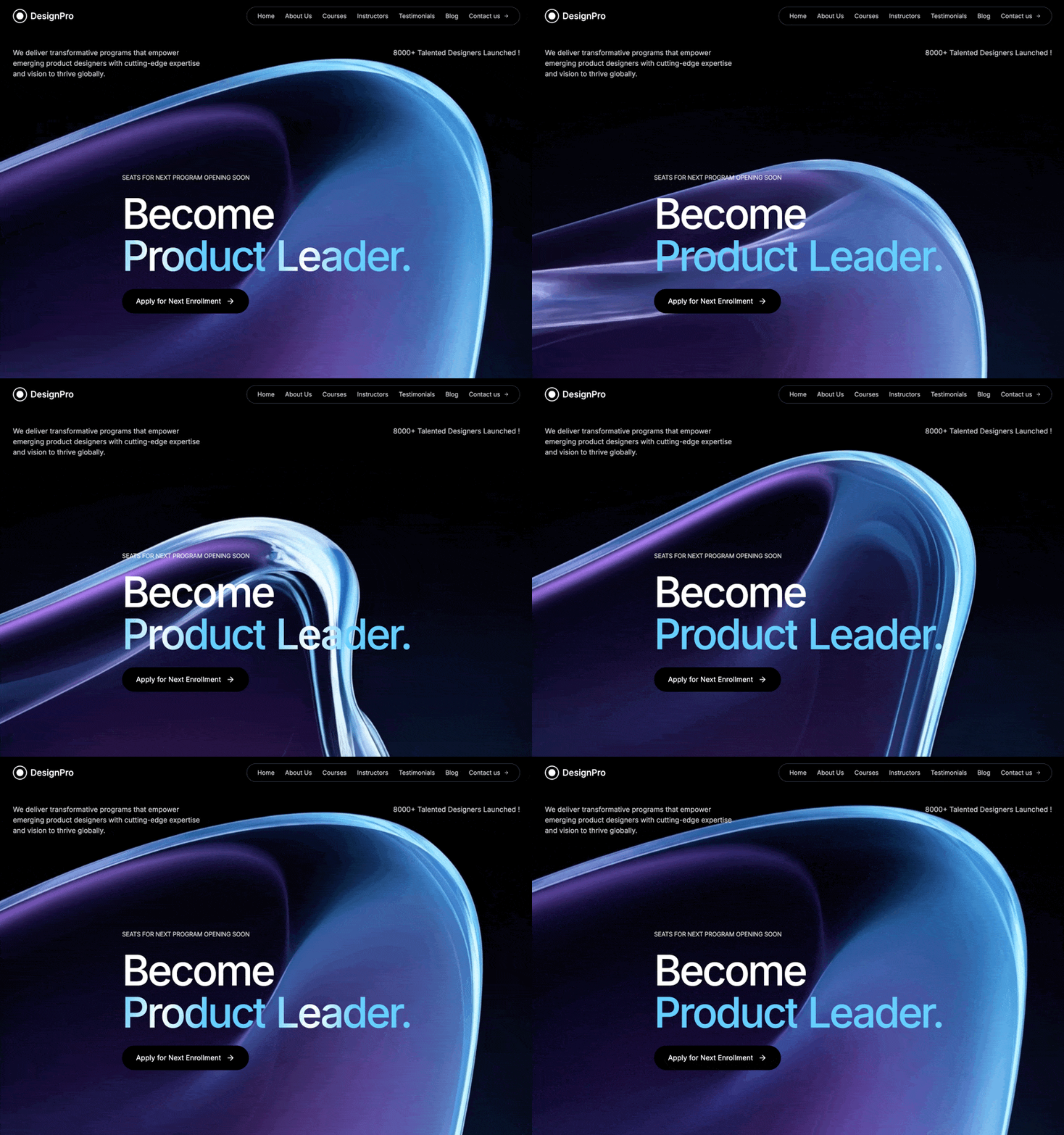
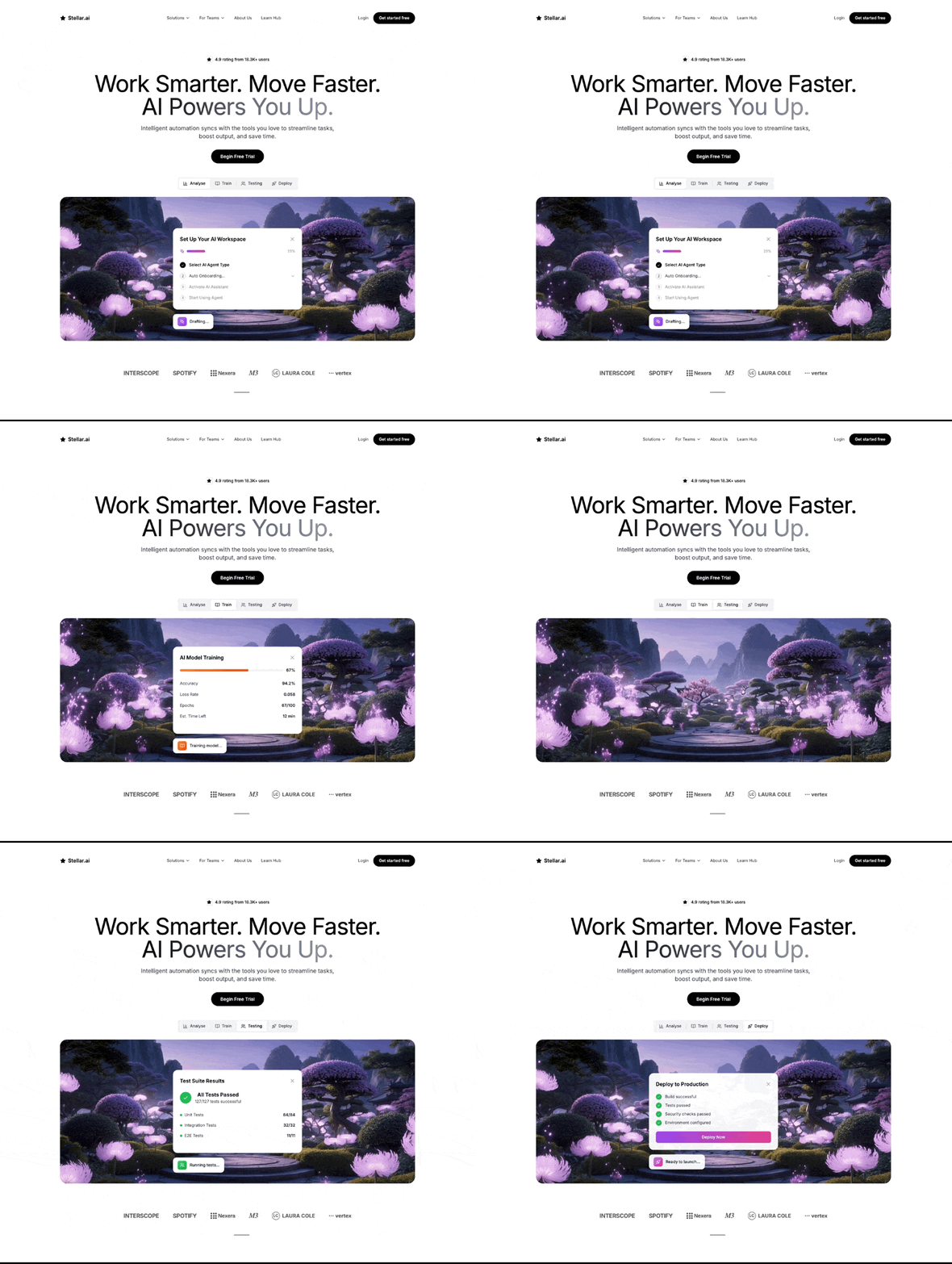
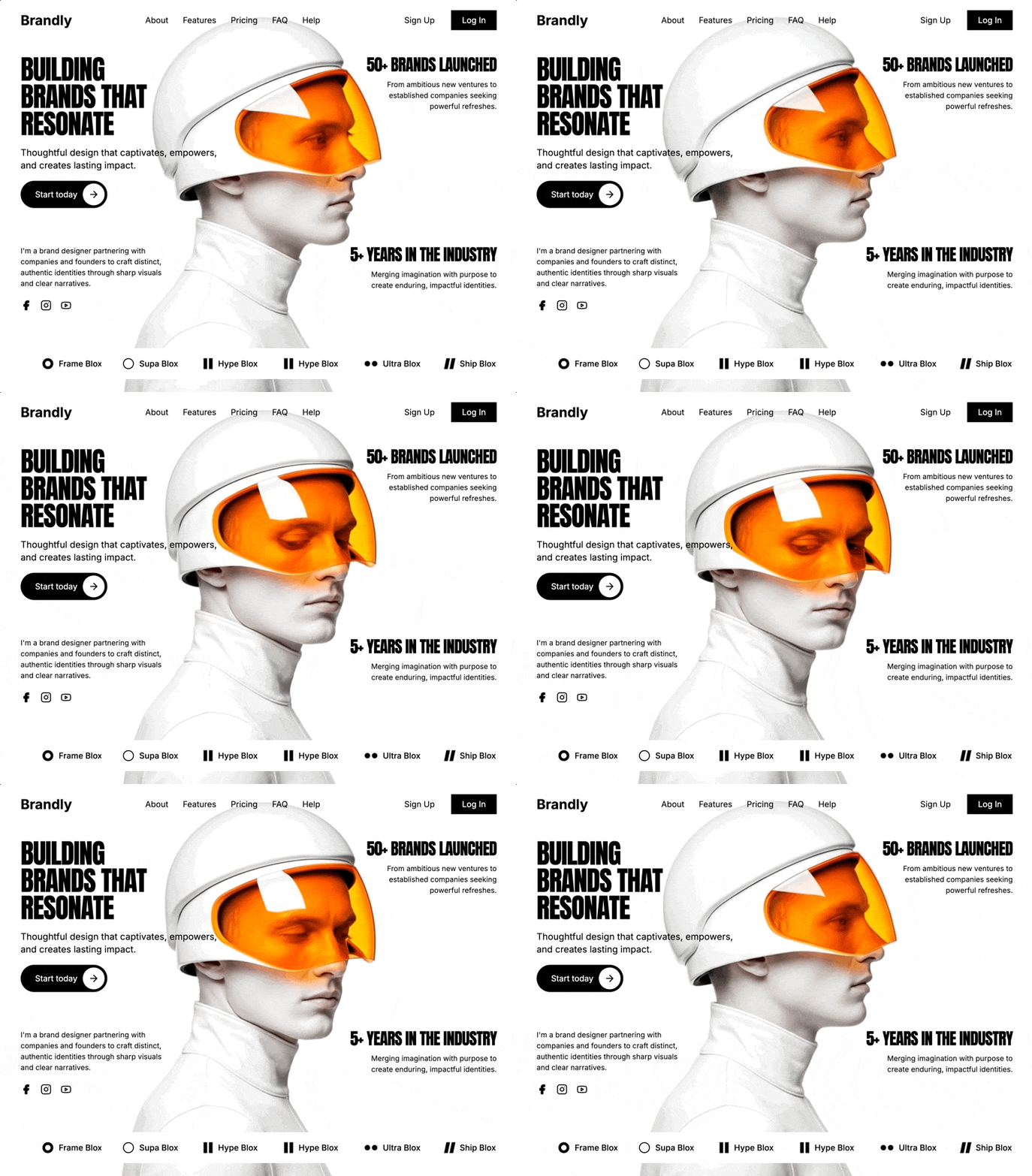
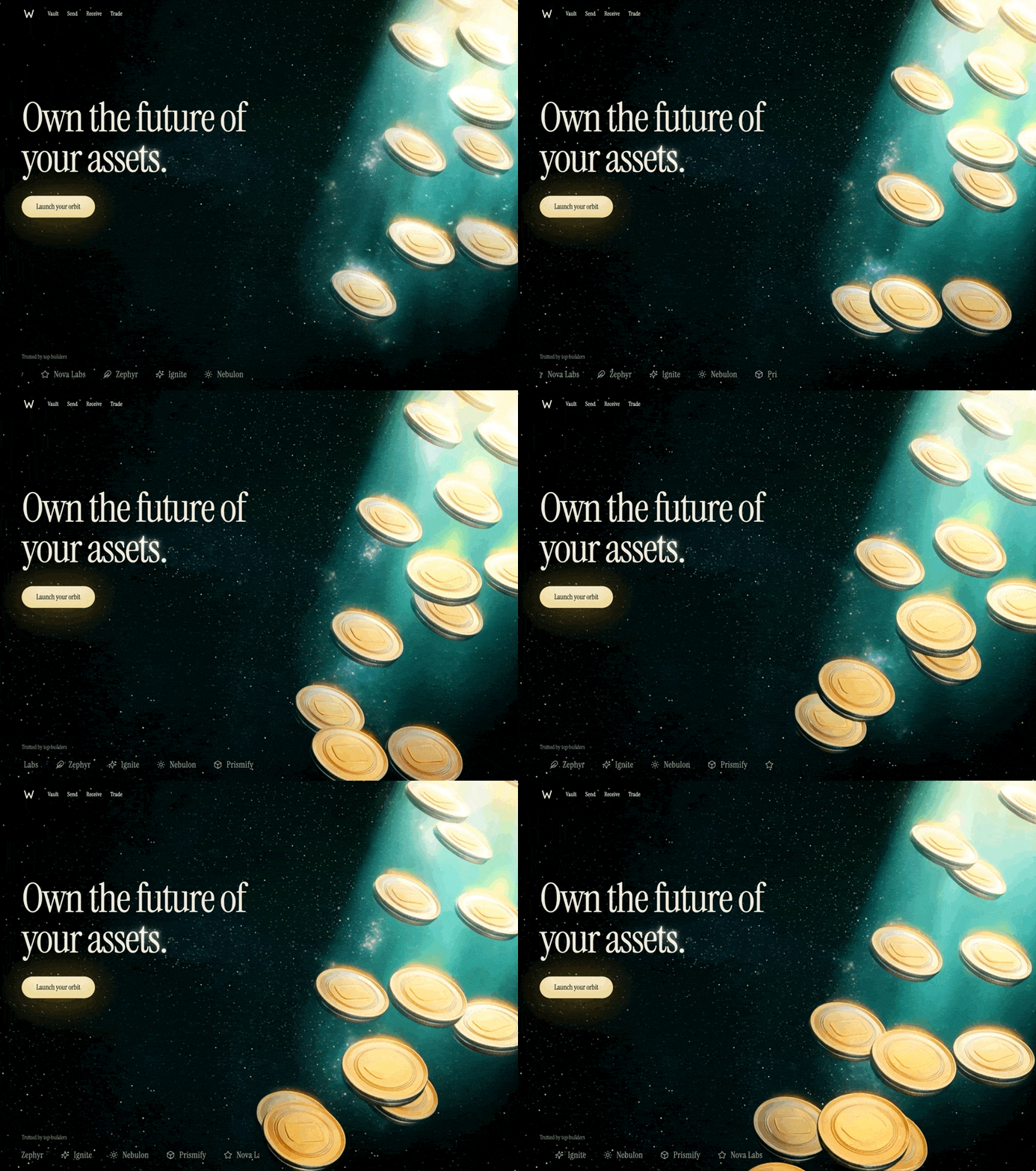
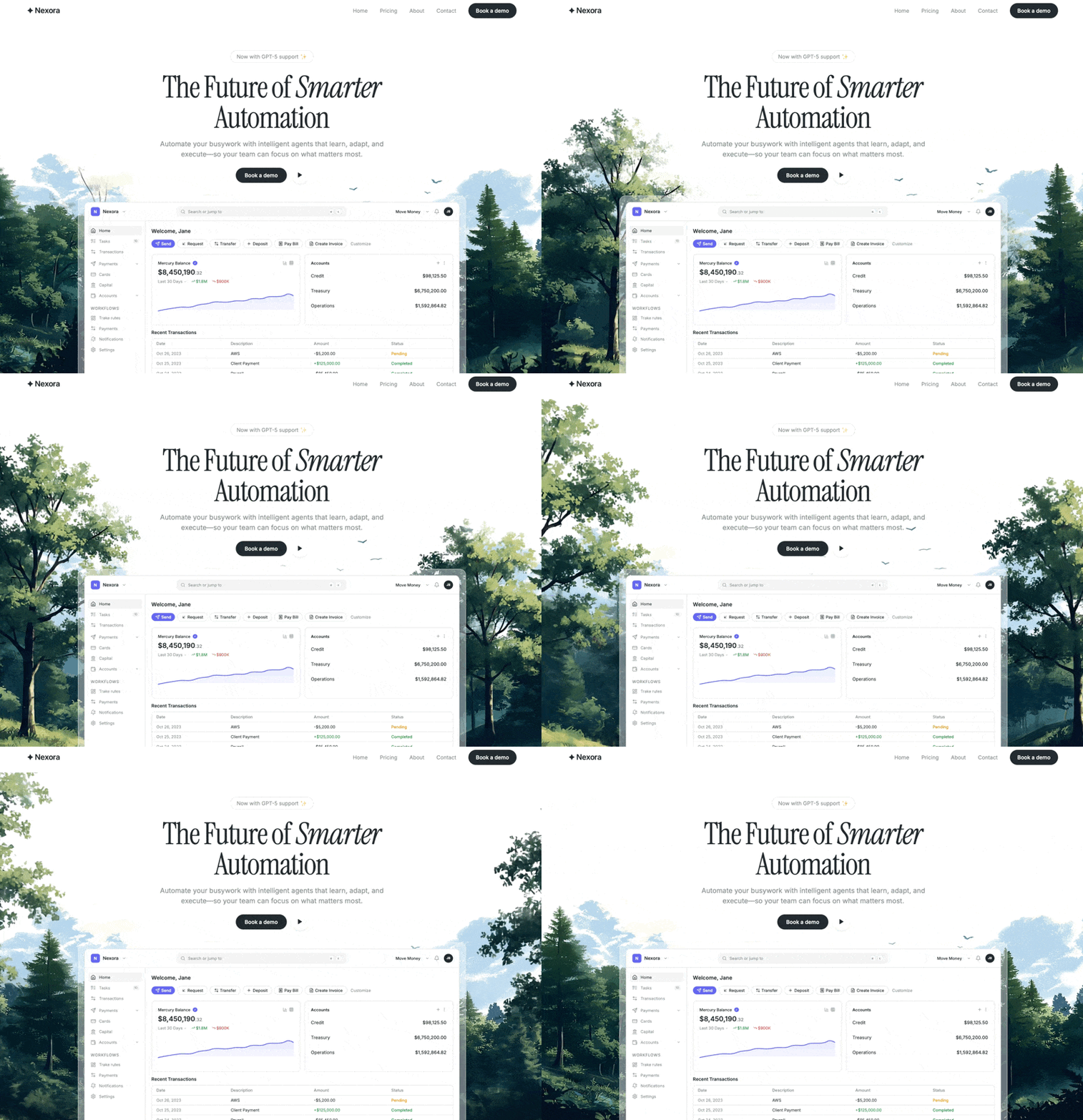
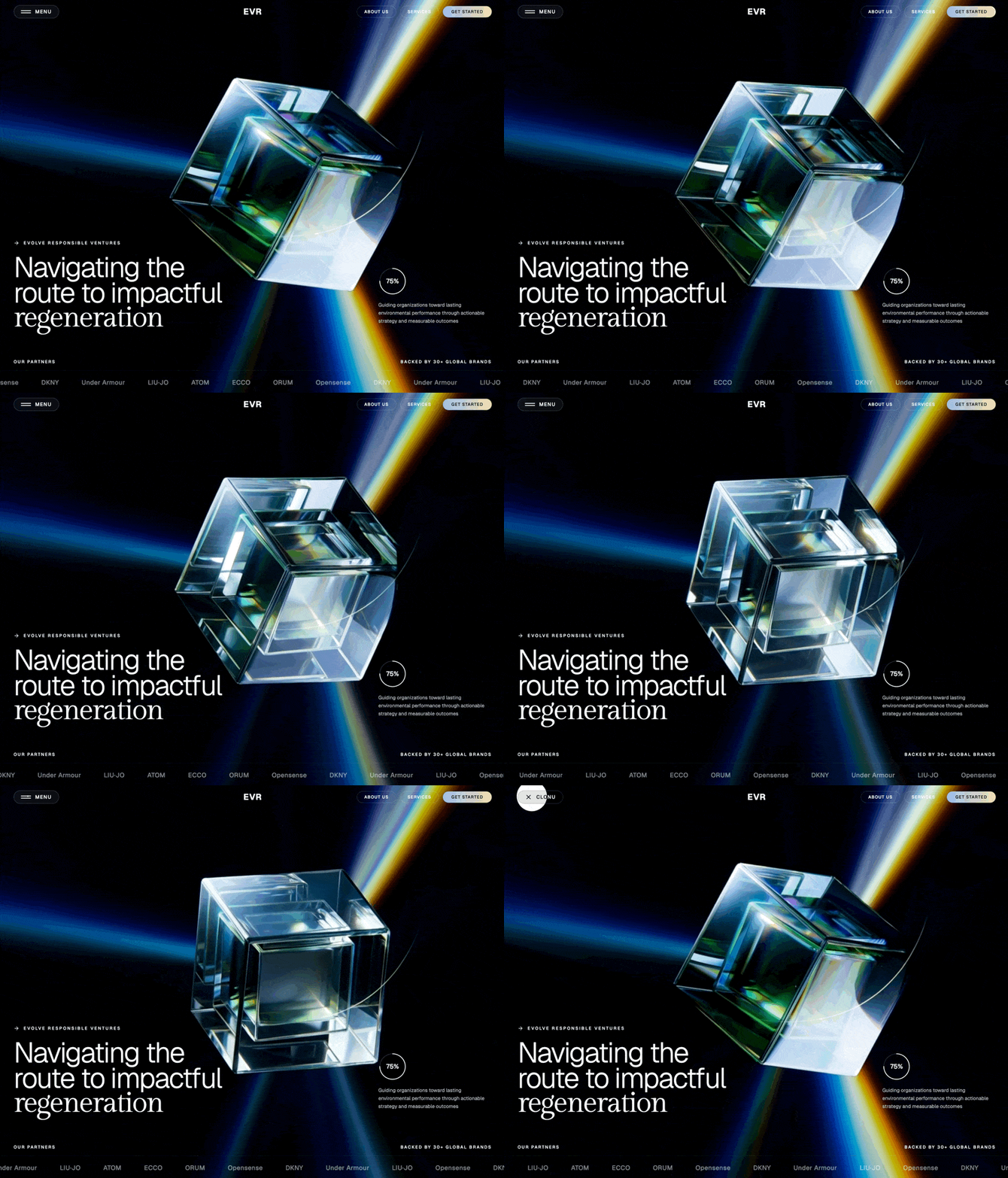
Recent work — London businesses
About this service
London's digital market is unforgiving. Whether you're a fintech scaling from Canary Wharf, a retailer competing in the West End, or a professional services firm building credibility in the City, your users have options — and they exercise them fast. London's educated, time-poor professional audience is less tolerant of friction than almost any other market in the UK. UX design is not about making things look clean. It's about architecting how users think, feel, and act when they encounter your product — and removing every obstacle between their intent and your commercial outcome. For a London-based business, that means understanding that a Shoreditch startup audience behaves differently from a professional in Mayfair, and that a King's Cross co-working tenant expects different onboarding than a traditional firm in Liverpool Street. We approach UX as a commercial discipline, not a visual one. Before any interface is designed, we run discovery work: user research, journey mapping, competitive benchmarking within your specific London sector. We identify where users are dropping off, what's creating hesitation, and what would make your conversion funnel perform. The output isn't just wireframes — it's a documented rationale for every design decision, grounded in data about how your actual target audience behaves. The result is a digital product that doesn't require users to think too hard, trust too much on a first visit, or work through ambiguity. In a market as competitive as London's, that clarity is a commercial advantage most businesses are leaving on the table.

Our method
How we approach this
Discovery Brief
We learn your market, competitors, and goals in a focused kick-off call — so every decision that follows is grounded in your reality.
Strategy & Content
We map the page hierarchy, keyword intent, and conversion copy before a single pixel is designed.
Design & Build
Your first concept arrives within 72 hours of brief sign-off, built in Next.js for speed, SEO and long-term maintainability.
Launch & Grow
We handle deployment, submit to Search Console, and stay available through the same team — no ticket queues.
Deliverables
What's included
Why it works
The difference in practice
Why us
London businesses operate in one of the most digitally sophisticated consumer markets in Europe. High-cost acquisition — whether through paid search, SEO, or brand spend — means that every user who lands on a poorly structured product represents wasted budget. The UX design gap is particularly acute in sectors like professional services, property, fintech, and luxury retail, where London firms tend to invest heavily in marketing while underinvesting in the actual experience that marketing drives traffic to. We built this practice specifically for businesses where the conversion gap is costing real revenue, not just creating UX inconvenience.
How we deliver
Fixed scope, fixed price — no hourly surprises. Discovery, design, build and launch handled by the same London-based team from day one.
Next step
Call or email to describe your project. We'll confirm scope and send a fixed quote within one working day — no sales call required.
Custom strategy built around your specific market and audience
Same template applied to every client regardless of sector
SEO architecture planned in discovery — hierarchy, schema, internal links from day one
Meta tags added as an afterthought, if at all
Fixed scope, fixed price — no billing surprises
Hourly billing or estimates that grow once work is underway
First design concept within 72 hours of brief sign-off
Two to four weeks before you see anything resembling the final direction
Ongoing support from the same team — no ticket queue handoffs
Post-launch tickets routed to someone unfamiliar with your site
Client results
What we actually move.
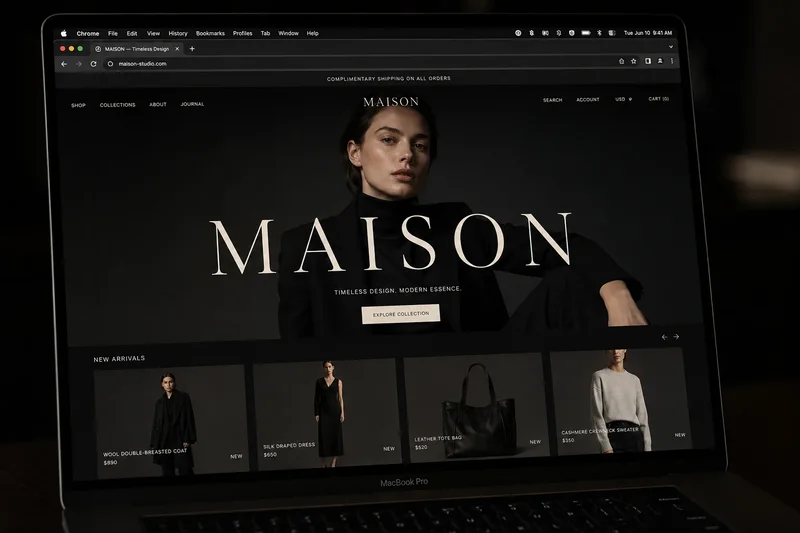
Luxury Fashion — Maison London
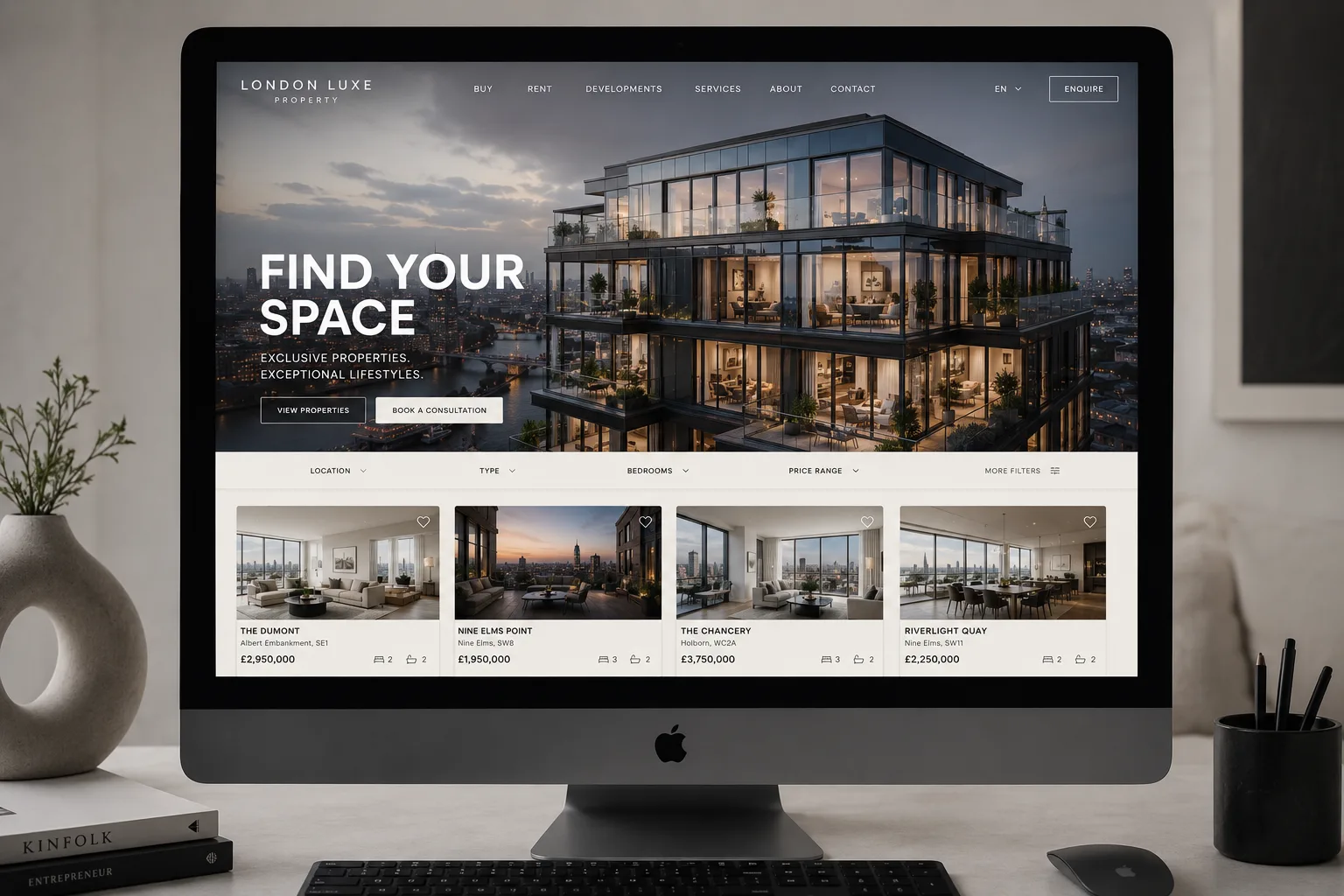
Premium Real Estate — London Luxe Properties
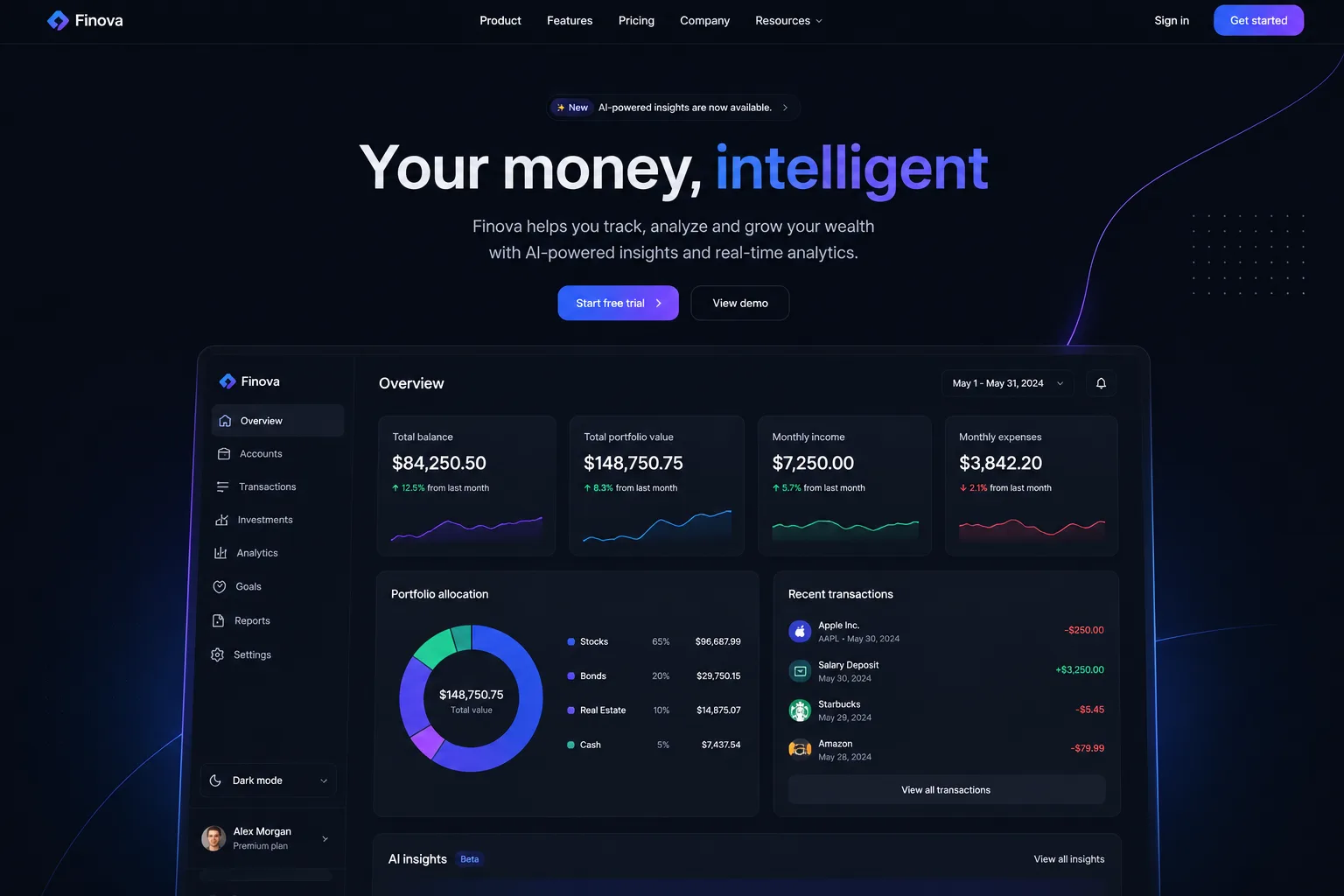
Fintech Platform — Finova
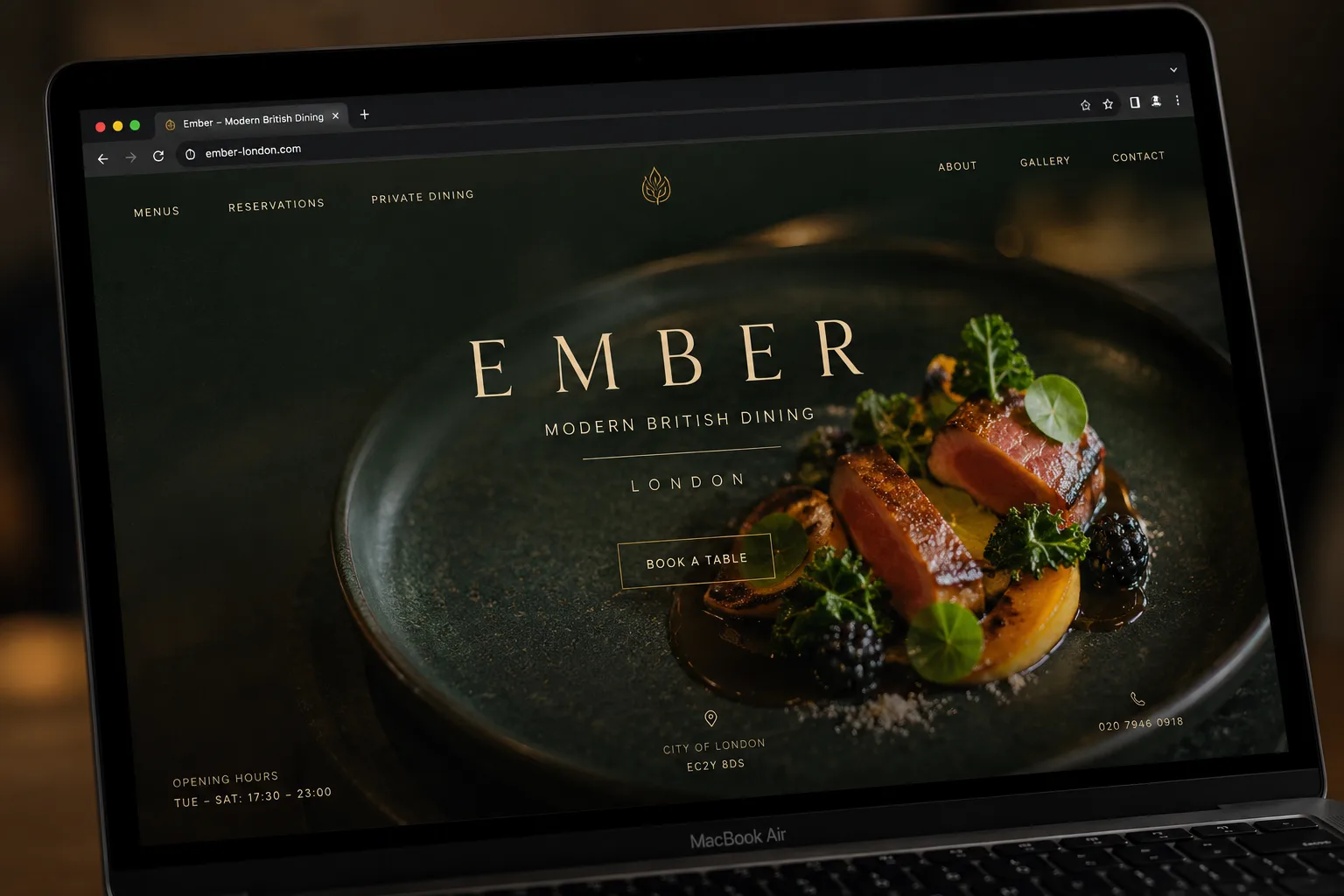
Fine Dining — Ember London
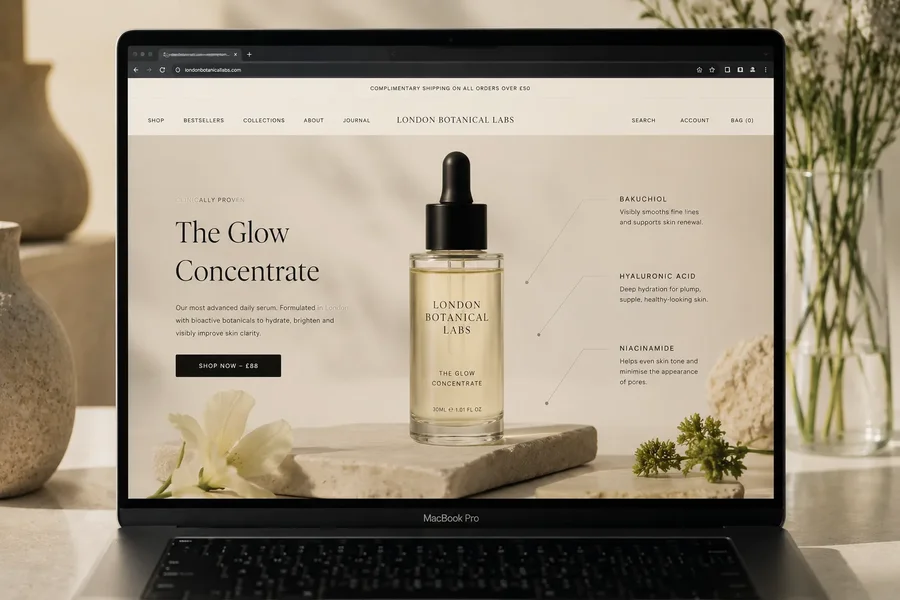
Clean Beauty — Botanical Labs
Common questions
FAQs
What's the difference between UX design and regular web design?
Web design focuses on how a site looks. UX design focuses on how it works — specifically, how users navigate, make decisions, and convert. A UX engagement typically starts before any visual design: we map user journeys, identify friction points, and test assumptions through research or prototyping. Visual design then follows a validated structure rather than aesthetic preference. For London businesses where paid acquisition costs are high, this sequence makes conversion rates materially better than designing visuals first.
How long does a UX design project typically take?
A focused UX audit with recommendations typically takes two to three weeks. A full UX design engagement — from discovery through tested wireframes — runs four to eight weeks depending on the complexity of your product and the number of user types involved. We don't extend timelines to generate more deliverables. Every phase has a clear commercial output, and we scope against what your business actually needs rather than padding to a standard template.
Do I need UX design if I'm just refreshing an existing site?
If your current site has measurable drop-off problems — pages with high exit rates, low form completion, or poor mobile conversion — a visual refresh without UX research will likely recreate the same issues in new packaging. Even a lightweight UX audit before a redesign can identify the two or three structural fixes that account for 80% of your conversion problem. We often recommend starting there before committing to full-scope design work.
Will you conduct real user research, or is this based on internal assumptions?
We conduct structured research with real users from your target audience, not assumptions drawn from our own preferences. For London-based clients, this typically means recruiting participants across relevant demographic segments, running moderated or unmoderated usability sessions, and synthesising findings into prioritised design decisions. The research brief is agreed with you upfront, and all findings are documented so your internal team can reference them long after the project closes.
How do you measure whether a UX project has actually worked?
Success is defined at the start of every engagement in commercial terms: conversion rate, task completion, session depth, or whatever metric reflects your actual business goal. We establish baseline measurements before work begins so that post-launch performance can be directly compared. UX improvements without a measurement framework are just opinions. We treat every engagement as accountable to numbers, not to deliverables — and we present the evidence at close.
What London sectors do you have most experience with?
Our London UX work spans professional services (law, finance, consulting), property and PropTech, e-commerce, hospitality, and SaaS platforms targeting business buyers. Each sector has distinct UX conventions and user expectations — a law firm's credibility signals differ substantially from an e-commerce checkout flow. We scope discovery to account for your specific sector context, including what your London competitors are doing well or poorly in their own digital experience.
SEO cluster
Related London pages
These internal links help visitors and search engines move between the strongest commercial search intents.