WDSL

London web design guide

By Web Design Studio London

How London Yoga Studios Fill Classes Through Their Website

London yoga studios post daily on Instagram and still lose new students to studios with a better website and a working online booking flow. The class is excellent — the digital infrastructure is where revenue leaks.

Ask for advice
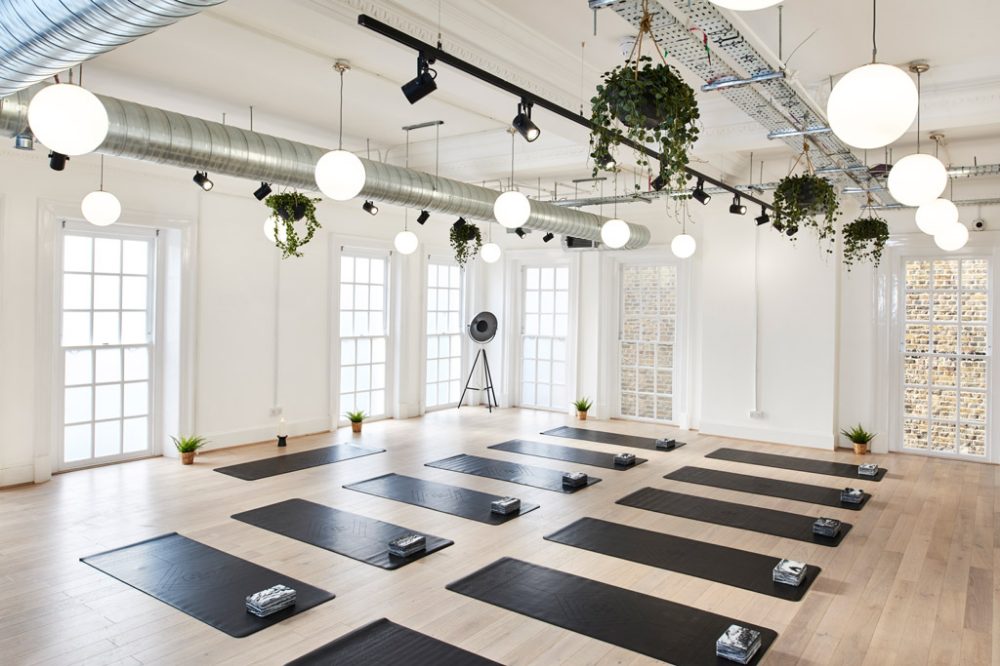

Modern yoga studio class in London with natural light and students on mats

01

Instagram Builds Awareness. Your Website Closes the Booking.

A prospective student who discovers your studio on Instagram will search for it before they commit. What they find — a website that loads slowly, has no live timetable, and buries the price — sends them to the next studio that makes it easy. The conversion happens at the website, not on the social feed.

Studios running Mindbody, Glofox, or Gymdesk already have the booking infrastructure; what they lack is a website that integrates it cleanly and gives new students a clear, anxiety-free path from 'I'm curious' to 'I've booked my first class.' The gap between those two states is where revenue leaks — and a well-designed site with a visible timetable and a single booking CTA closes it.

02

The Pages Every Yoga Studio Website Needs

A timetable page with live class availability and a single-click booking button is the highest-value page on your site — the one that converts a browser into a paying student. Alongside it, you need individual teacher profile pages with each teacher's training lineage, teaching style, and a short video or written quote that gives a sense of their personality. A generalised 'meet the team' page serves nobody well; a student choosing between ashtanga with one teacher and vinyasa with another wants to know who they are booking with.

A dedicated new student page explaining what to expect, what to bring, and how the first-visit offer works removes the anxiety that prevents many people from booking at all. Each yoga style you offer — hot yoga, ashtanga, vinyasa, yin, pilates, restorative — should have its own page targeting the exact search term a curious student types.

03

Local SEO: How Studios Rank for Borough and Style Searches

Searches like 'hot yoga Brixton', 'yin yoga Hackney', and 'pilates studio Clapham' have real monthly volume and almost no competition from well-optimised studios — because most yoga websites are built on generic templates that produce identical content across every page. Individual location pages for each borough you draw students from and individual style pages for each discipline you teach, each written with genuine content, give Google the signals it needs to rank you for those searches.

These pages, combined with an optimised Google Business Profile showing your timetable, class photos, and recent reviews, form the local SEO foundation that fills early-morning and weekday classes with new students rather than regulars. A studio with a 7am Monday vinyasa class that ranks for 'morning yoga Hackney' does not need to discount that class to fill it.

04

Trust Signals That Convert a First-Time Visitor Into a Paying Student

A first-time student deciding between two studios they have never visited is making a judgement based almost entirely on the website. Your Yoga Alliance registration (RYT 200, RYT 500) and British Wheel of Yoga affiliation should appear prominently — these are the credentials that signal professional training to a student who knows what to look for, and reassure one who does not.

Studio photography that shows the actual space — lighting quality, floor type, mat spacing, changing facilities, whether there is a reception area — eliminates the 'I'm not sure what it will be like' hesitation that keeps people from booking. Real testimonials from named students mentioning specific teachers and concrete outcomes ('I've been coming for six months and my lower back pain is gone') convert better than any stock imagery or generic five-star rating.

05

Membership and Class Pass Pages That Reduce Revenue Volatility

Drop-in class revenue fluctuates with the season, public holidays, and the weather. Membership and multi-class pass income is predictable and compounds as the student base grows. A well-structured memberships page that clearly explains what each tier includes — unlimited classes, specific class types, guest passes, priority booking — and allows direct online purchase converts the uncommitted drop-in student into a committed member.

For studios offering introductory offers — 30 days unlimited for £30, three classes for £25 — a dedicated landing page for that offer (rather than a small banner on the homepage) gives the promotion its own SEO footprint and a focused conversion experience. Many studios run these offers permanently but gain no search visibility from them because they live only in Instagram stories.

06

What We Build for London Yoga and Pilates Studios

We design and build yoga studio websites with live timetable integration (Mindbody, Glofox, Gymdesk), teacher profile pages, style and location SEO pages, a new student journey page, membership and class pass purchase flows, and Google Business Profile setup. Every site includes structured schema markup that enables class times and pricing to appear directly in Google search results — a feature almost no London studio is currently using.

We have built for independent single-room studios and multi-site operators across London. If your current site is built on a generic template that looks identical to 40 other studios in the city, get in touch with your booking platform details and we will show you what a properly integrated, genuinely differentiated studio site looks like.

Vali Neagu

Written by

Vali Neagu

Founder, Web Design Studio London

Building conversion-focused websites and web applications for London businesses. Next.js, design, and strategy — in-house, fixed price.

Related services

Turn the research into a page.

These commercial pages connect the guide to enquiry-focused services, which supports topical depth and conversion.