WDSL

London web design guide

By Web Design Studio London

How London Sports Coaches Build a Client Base Through Their Website

London athletes and fitness clients searching for a sports coach want specific expertise — not a generic trainer. A well-structured website that positions your sport specialism, your coaching methodology, and your client results is what builds a full diary from people who are already qualified to work with you.

Ask for advice
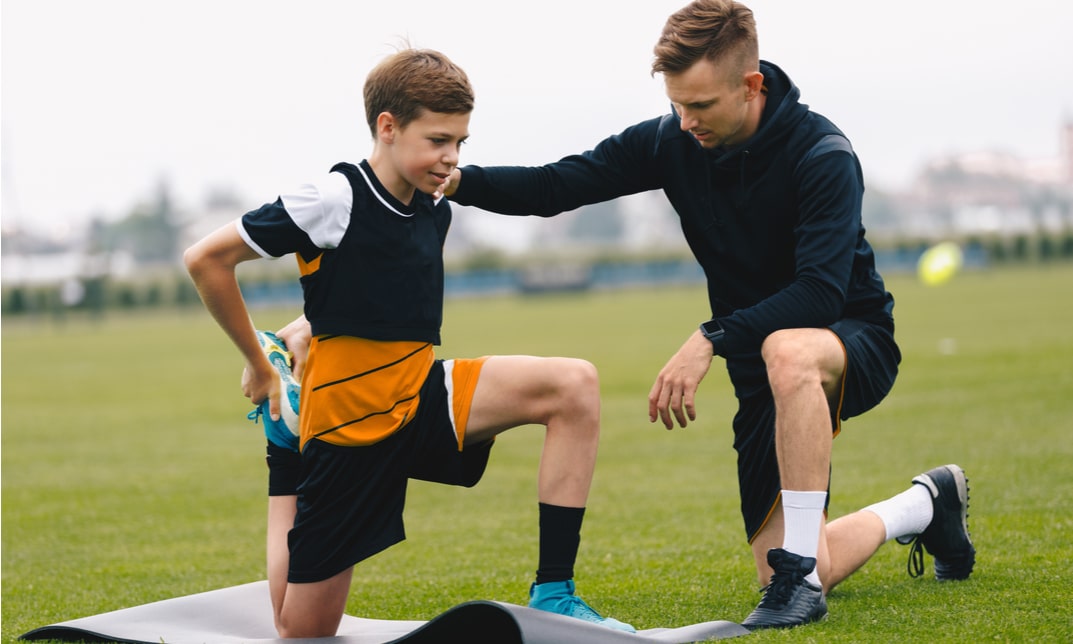
Sports coach working with an athlete during a training session in London

01

Sport Specialism Is the Starting Point for Every Search

A club-level tennis player looking to improve their serve searches 'tennis coach London' or 'tennis coaching Clapham'. A triathlete targeting an Ironman searches 'triathlon coach London' or 'triathlon training programme London'. A cricket captain organising team sessions searches 'cricket coaching London'. A swimmer chasing a qualifying time searches 'swimming coach London open water'. The athlete knows their sport — your website needs to match that specificity with dedicated pages for each sport or discipline you coach.

Each page should be written around the search terms that athletes in that sport actually use, feature portfolio content specific to that sport (video clips, athlete results, session structure), and explain your methodology and qualifications in the context of that discipline. A generic 'sports coaching' page competes poorly against sport-specific pages and attracts lower-intent visitors less likely to book. Coaches who build one page per sport consistently outperform those with a single services overview, both in search rankings and in session booking rate.

02

Coaching Packages and Session Structure Must Be Transparent

A prospective client evaluating a sports coach online needs to understand what they are buying before they enquire. Clear descriptions of your packages — one-to-one technical sessions, small group coaching, online programming, video swing or technique analysis, multi-week performance programmes — with pricing or pricing guidance, session duration, what to bring, and what the client will have achieved by the end of a programme, remove the uncertainty that delays first contact.

For coaches working with youth athletes, the safeguarding section of your service page is the most important element for conversion — not the coaching methodology. Describing your DBS check status, your child safeguarding training (UK Coaching Safeguarding and Protecting Children), your parental communication approach, and the ratio of coach to athlete in youth sessions addresses the primary concern that every parent has before they book a coach for their child. Coaches who display this clearly convert youth enquiries faster than those who leave parents to ask.

03

Qualifications and National Governing Body Accreditation Signal Expertise

An athlete or club choosing between two coaches at similar fee levels will choose the one with verifiable, current credentials. Your National Governing Body (NGB) qualification — FA coaching licence level, LTA coach accreditation, British Athletics coaching licence, UKSCA accreditation, British Cycling coaching qualification, ASA swim teacher or coach award — should appear prominently on your homepage and on every sport-specific page, not buried in an About section.

If you have coached athletes to competition standard, club or county representation, personal best milestones, or podium finishes — naming those outcomes builds evidence that prospective clients weigh heavily against a competitor whose website lists qualifications but no outcomes. UK Coaching membership and documented CPD commitments signal that your practice reflects current thinking rather than qualifications acquired years ago. For coaches who also hold strength and conditioning, nutrition, sports psychology, or physiotherapy qualifications, each represents an additional keyword and an additional reason to enquire.

04

Video Content and Client Testimonials Validate Your Method

A sports coaching website without video is a significant conversion gap. Short clips of coaching sessions in action — technique drills, training setups, real athlete interaction — show prospective clients what working with you actually looks like in a way that text and photography cannot. A thirty-second clip of a high-quality technical coaching moment communicates methodology more efficiently than three paragraphs of explanation.

Client testimonials with named athletes and specific performance improvements — 'improved my 5K time from 24 to 21 minutes over twelve weeks', 'took me from club to county in one season', 'helped my daughter go from terrified of match play to winning her age group at a regional event' — carry far more credibility than generic satisfaction statements. Outcome specificity matters: 'got much better at tennis' is noise; '17% improvement in first serve percentage over eight weeks' is evidence. For coaches running group sessions or workshops, a booking calendar with upcoming dates and a payment link turns the website into a direct revenue channel.

05

Online Coaching, Video Analysis, and the Remote Client Opportunity

London sports coaches who add an online coaching component remove the geographic constraint on their client base entirely. An online coaching page — explaining how you deliver programming, video analysis, technique feedback, and performance tracking for athletes who cannot train with you in person — opens enquiries from athletes across the UK and internationally who are searching for a specialist in your discipline that does not exist locally for them.

Video technique analysis is one of the highest-value online coaching services for technical sports: a golfer submitting swing footage for a thirty-minute analysis session at £75, delivered asynchronously, scales in a way that in-person sessions cannot. A dedicated online coaching page explaining the technology you use (Hudl, Coach's Eye, Dartfish), the turnaround time for feedback, and what the analysis document includes converts athletes who have already decided they want remote analysis but need to find someone credible. These clients often convert to in-person intensives when geography allows, making each online client a potential long-term relationship rather than a one-off transaction.

06

Build Scope and ROI for London Sports Coaches

A sports coaching website built to this standard — sport-specific pages with NGB qualification display, coaching package descriptions with transparent pricing, safeguarding section for youth coaches, video integration, performance testimonials, an online coaching or video analysis page, borough location pages for parks and venues, and a booking calendar with payment integration — costs between £950 and £2,400 depending on the number of sports covered, booking functionality, and whether online coaching requires a client portal or file-sharing integration.

For a coach charging £60 per individual session and targeting ten additional bookings per month from organic search, that is £600 per month in additional revenue — recouping a mid-range build within four to five months. Coaches who add group sessions at £20–£30 per head with eight participants fill those sessions through the booking calendar and generate equivalent revenue in a single two-hour slot. The compounding benefit is that a well-built coaching website generates enquiries continuously without the need for ongoing Instagram or social media investment, which frees coaching time for actual coaching.

Vali Neagu

Written by

Vali Neagu

Founder, Web Design Studio London

Building conversion-focused websites and web applications for London businesses. Next.js, design, and strategy — in-house, fixed price.

Related services

Turn the research into a page.

These commercial pages connect the guide to enquiry-focused services, which supports topical depth and conversion.