WDSL

London web design guide

By Web Design Studio London

Website for Recruitment Agencies in London That Wins Clients and Candidates

Most London recruitment agency websites look identical to their competitors. If your site cannot communicate your sector specialism, your placement record, and your process within ten seconds of landing, the client or candidate will go to an agency that can.

Ask for advice
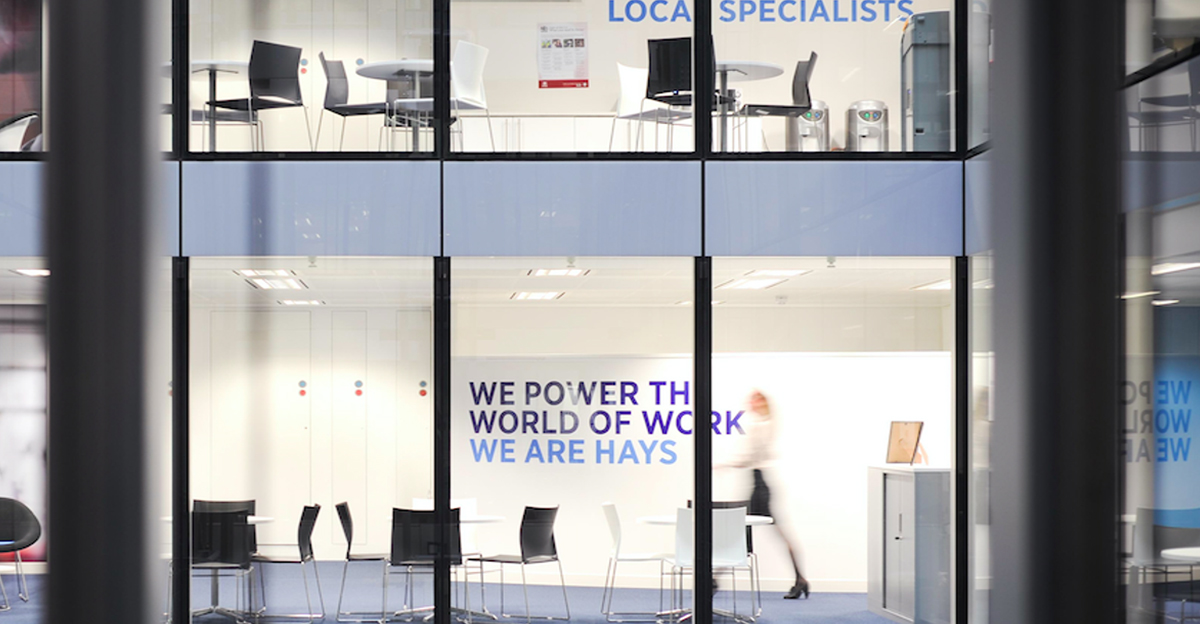

Recruitment agency team in a modern London office

01

Candidates and Clients Are Different Audiences — Your Site Must Treat Them Differently

A hiring manager looking to fill a senior finance role has completely different needs from a contractor seeking a six-month inside-IR35 contract. A single homepage trying to speak to both fails both. Separate navigation pathways — Employers and Candidates — each leading to content, CTAs, and case studies relevant to that audience, increase the chance that each visitor finds what they need before bouncing to a competitor.

For the employer pathway, the priority is proof: sector experience, placement speed, retention rates, and named client references. For the candidate pathway, it is relevance and trust: current live roles, how the registration process works, who they will speak to, and what sets your agency apart from the five others they are simultaneously registered with. These are different emotional journeys that require different design decisions — and most recruitment sites ignore the distinction entirely.

02

Sector Specialism Pages Are Your Most Valuable SEO Asset

A search like 'tech recruitment agency London' or 'legal recruiter City of London' comes from a hiring manager with an active requirement and a budget already signed off. A dedicated page for each sector you cover — technology, finance, legal, creative, or operations — structured around the roles you place, the seniority levels you work at, and the clients you have served, ranks for those searches and signals expertise that a generic agency page cannot replicate.

Sector pages with named placement examples and director-level testimonials convert at significantly higher rates than homepage-only agency sites. The hiring manager who lands on your technology recruitment page and sees that you have placed ten heads of engineering at London scale-ups in the last 18 months has the evidence they need to book a briefing call. That same evidence buried in a generic case studies section is invisible.

03

Job Board Integration That Works for Candidates and Google

A live job board on your own domain — rather than a redirect to an external ATS — keeps candidates on your site longer, builds topical depth for SEO, and gives you structured data Google can index as individual job listings in search results. A candidate who searches 'senior product manager jobs London fintech' and lands directly on a relevant live listing on your site is more likely to register than one sent to a generic job aggregator.

We integrate directly with the major ATS platforms including Bullhorn, Mercury, and Vincere, or build a lightweight managed listings section for smaller agencies not yet on enterprise systems. The technical implementation matters: job listings need proper JobPosting schema markup, indexed URLs, and filter functionality that does not break pagination — details that off-the-shelf WordPress job plugins frequently get wrong.

04

Trust Signals That Win the Client Comparison

A hiring manager comparing three agencies online is looking for proof that you have placed roles like theirs before. REC membership logos, average time-to-fill figures, retention rate statistics, and specific client testimonials from named companies at director level all reduce the risk perception that precedes a first meeting. These signals need to appear on your sector pages and your homepage — not just buried in a case studies section that most visitors never reach.

For agencies that have placed candidates at recognisable London employers, a logos bar of client companies is one of the most efficient trust signals available. It takes up two rows of space and communicates in seconds what a paragraph of copy would take minutes to establish. If confidentiality prevents using logos, aggregated statistics — 'average 18 days to first interview, 94% offer acceptance rate' — serve the same function with numbers rather than names.

05

Consultant Profiles That Convert Candidate Registrations

Candidates choose agencies partly based on the people they will be working with. A team page with individual consultant profiles — photograph, sector specialism, years of experience, and a short personal statement — makes the agency feel accessible rather than corporate. A candidate who identifies with a specific consultant and reaches out directly is more committed than one who submits a CV through a generic form and waits.

For senior candidate registrations, where the relationship matters even more, individual consultant contact pages — each with a direct email, LinkedIn link, and the specific roles they are currently working on — turn a passive browse into a warm introduction. This architecture also generates long-tail SEO: a consultant who specialises in CFO placements at London PE-backed businesses will attract searches from candidates in exactly that category.

06

What We Build for London Recruitment Agencies

We design and build recruitment agency websites with separate candidate and client journeys, sector specialism pages, ATS-integrated job boards, consultant profile sections, and local SEO targeting your niche and the London market. For boutique agencies competing against larger firms, we build the site architecture that makes specialism visible and proof prominent — the factors that win the briefing call ahead of a better-known competitor.

For agencies scaling into new sectors or geographies, we build the page structure that supports that growth without requiring a full redesign — new sector pages can be added in hours rather than briefed as a project. Every site is built to win the browser-tab comparison that hiring managers run before they decide which agency to call first.

Vali Neagu

Written by

Vali Neagu

Founder, Web Design Studio London

Building conversion-focused websites and web applications for London businesses. Next.js, design, and strategy — in-house, fixed price.

Related services

Turn the research into a page.

These commercial pages connect the guide to enquiry-focused services, which supports topical depth and conversion.