WDSL

London web design guide

By Web Design Studio London

How London Photographers Win More Commissions Through Their Website

A client searching for a London photographer has a specific brief in mind — a wedding, a headshot, a brand shoot, a family portrait — and they are looking for evidence that you shoot that genre, at that quality level, in their part of London. The photographer whose website shows the right work, clearly priced, with a simple enquiry process wins the commission.

Ask for advice
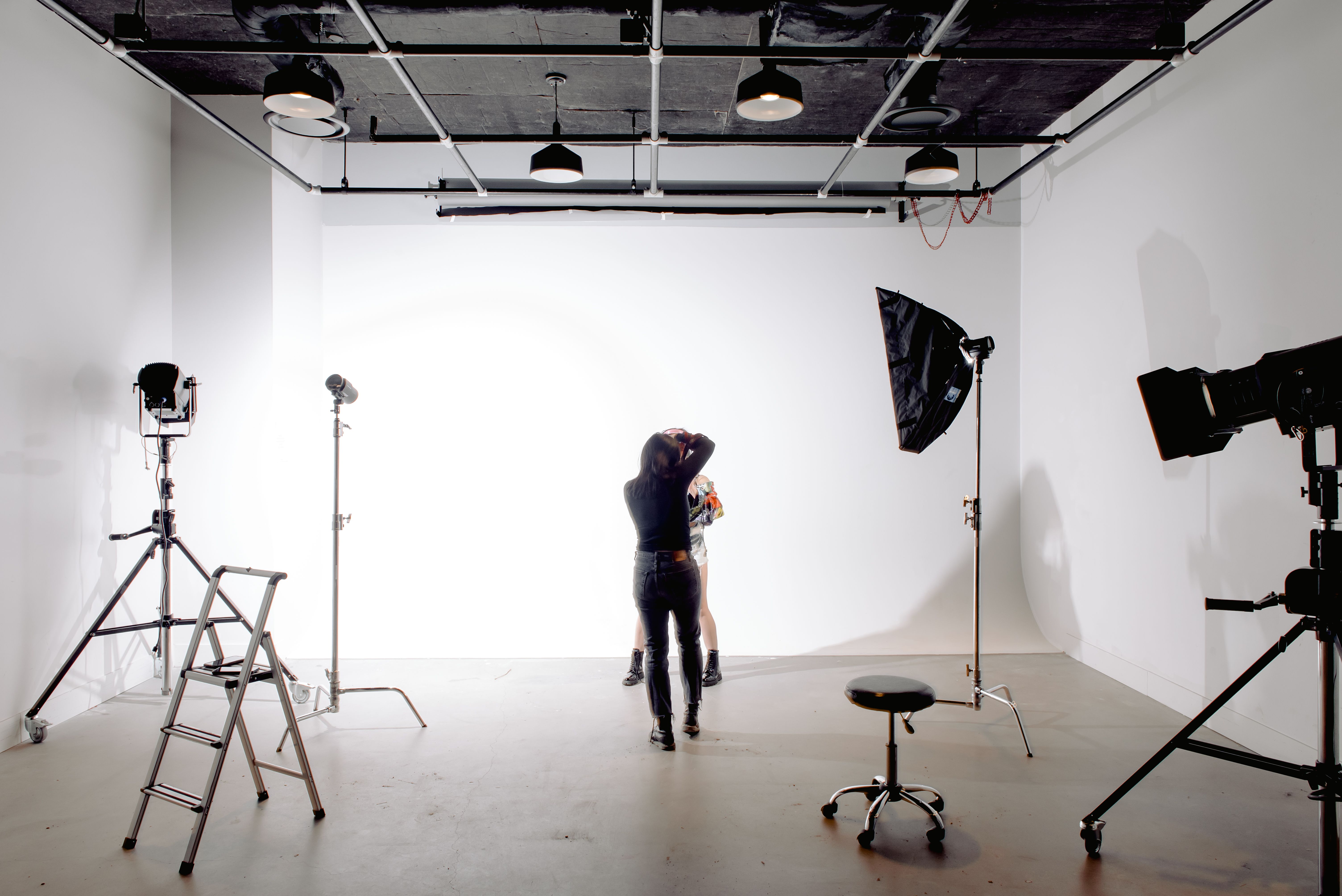
Professional photographer setting up a portrait shoot in a London photography studio

01

Genre-Specific Portfolio Pages That Rank for the Right Searches

'Wedding photographer London', 'commercial photographer London studio', 'headshot photographer City of London', 'family portrait photographer South London', 'event photographer corporate London' — each is a client with a specific brief and a specific search. A photographer website with a single mixed portfolio page ranks competitively for none of these searches, and disorients the prospective client who arrived looking for wedding evidence and is confronted with food shots and corporate events.

Individual pages for each genre you actively book — wedding, portrait, commercial and brand, corporate events, PR and editorial, architecture and interiors — each with a focused portfolio of your best work in that genre, the search terms clients use in the page title and copy, and an enquiry form scoped to that booking type rank independently and convert visitors who have already identified the type of photography they need. Separating genres also lets each page build independent authority from industry-specific publications, wedding directories, and photography award sites that link selectively by genre.

02

Package and Pricing Pages That Pre-Qualify Enquiries

A photographer who does not publish pricing receives enquiries from a wide range of clients, many of whom will be outside their budget range — and wastes time quoting for work they are unlikely to win. A packages page that outlines your shoot formats, typical half-day and full-day rates for commercial commissions, wedding coverage packages with included hours and deliverables, or portrait session formats with print and digital file licensing terms pre-qualifies incoming enquiries to clients who have seen the pricing and decided to proceed.

For wedding photographers, the typical expectation of a minimum package price and what it covers — hours of coverage, second shooter, edited image count, album options, film supplement — is information clients gather from three to five competing websites before they shortlist who to meet. Being one of the websites that provides it puts you on that shortlist. For commercial clients, a clear day rate with usage licensing tiers (web-only, multi-channel, exclusivity period) eliminates the back-and-forth that delays commission from brand buyers with internal approval processes.

03

Location and Area Pages That Capture London-Specific Searches

London photographers shooting weddings at specific venues — Claridge's, Babington House, Syon Park, Hampton Court, The Ned, Stoke Park — can create individual location pages that rank when a couple searches 'photographer Syon Park wedding' or 'Hampton Court Palace wedding photographer'. These pages, built around your own images from that venue and a description of the photographic opportunities and logistics of shooting there, rank for highly specific searches with very high booking intent and almost no direct competition — most venues have two or three photographers with dedicated pages, not the dozens competing for the generic 'wedding photographer London' term.

For portrait and commercial photographers with a studio address, a studio location page optimised for 'photography studio Shoreditch' or 'headshot photographer near Liverpool Street' captures location-specific searches that corporate clients and professionals run when proximity to their office matters. For photographers who travel across London, borough coverage pages targeting 'portrait photographer Clapham' and similar terms extend the search footprint without additional studio overhead.

04

Client Testimonials and Editorial Credits Build Booking Confidence

A prospective wedding client considering a £3,000 to £6,000 photography commission is not going to book without social proof. Testimonials from past wedding and portrait clients — specific, detailed, describing the experience of working with you as well as the results delivered — are the social proof that converts a visitor who loves your portfolio into a client who submits an enquiry.

For commercial photographers, editorial credits and brand client logos perform the same function — a brand commissioning a day-rate shoot wants to see that businesses of similar stature have trusted you with their visual identity. A publication credits list (Vogue, The Times, Harper's Bazaar, Campaign, Wired) positions editorial credibility within seconds for a picture editor or commissioning agent. For corporate headshot photographers, a named client list — law firms, financial services businesses, tech companies — gives a new HR or marketing buyer immediate reassurance that their peers in comparable organisations have already used your services and had a positive experience.

05

What We Build for London Photographers

We build photographer websites with genre-specific portfolio pages and their independent SEO targeting, package and pricing sections with licensing tier explanations, venue and location pages capturing high-intent venue-specific searches, client testimonial and editorial credit sections integrated within each genre page, online enquiry and booking request forms that capture brief details, budget indication, and preferred dates, and local SEO targeting London photography searches by genre and location.

Gallery performance on mobile devices is prioritised throughout — a portfolio site that loads slowly on a phone loses commissions before the first image renders, and the majority of photography enquiries originate from mobile search. For photographers who also license stock images or sell fine art prints, an e-commerce or licensing section can be integrated. For agencies with multiple photographers on their roster, individual photographer profile pages with separate portfolio pages and distinct local SEO targeting extend the agency's search footprint across each photographer's specialisms. Pricing ranges from £1,200 for solo photographer websites to £3,000 for multi-photographer agency sites.

06

Location Guides and Preparation Content for Longtail SEO

A photography blog with location guides, preparation tips, and behind-the-scenes content generates longtail organic traffic from clients who are researching before they book — sometimes months before. 'Best engagement shoot locations London', 'what to wear for a corporate headshot', 'outdoor portrait photography locations North London', 'how to prepare for a newborn photography session' are genuine searches from prospective clients in the planning stage that a well-written blog post can rank for and convert to an enquiry through an embedded call to action.

Each location guide that includes your own photographs from that specific location creates a combined portfolio-and-guide page that ranks for the location search, demonstrates your work there, and gives the client actionable preparation information — a format that significantly outperforms generic portfolio pages in time-on-page and enquiry conversion. A publishing cadence of two to four posts per year builds a longtail search footprint that compounds over time without requiring ongoing paid advertising spend, and each post can generate Instagram and Pinterest distribution alongside its organic search value.

Vali Neagu

Written by

Vali Neagu

Founder, Web Design Studio London

Building conversion-focused websites and web applications for London businesses. Next.js, design, and strategy — in-house, fixed price.

Related services

Turn the research into a page.

These commercial pages connect the guide to enquiry-focused services, which supports topical depth and conversion.