WDSL

London web design guide

How London Osteopaths Win New Patients Through Their Website

London patients with back pain, headaches, or sports injuries search for an osteopath and book within 48 hours. The practice that appears credible, lists their conditions and credentials clearly, and allows online booking captures that patient — along with the follow-up sessions that typically follow.

Ask for advice
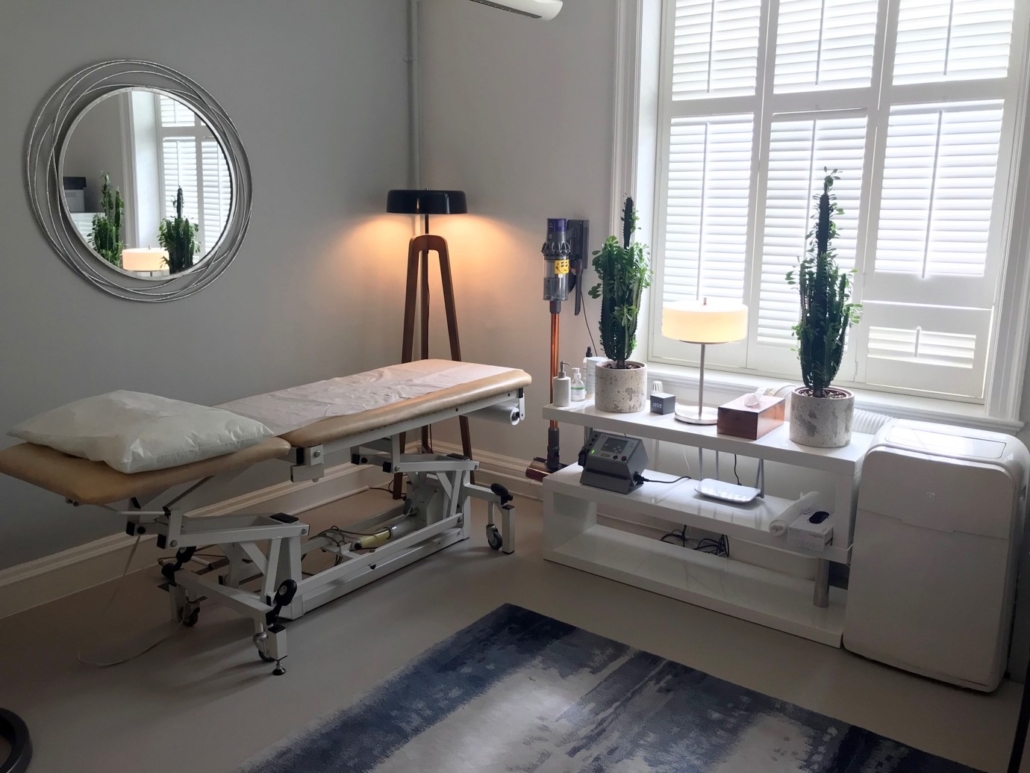
Osteopath treating a patient with manual therapy at a London clinic

01

Patients Search by Symptom, Not by Profession

A patient with persistent lower back pain does not search 'osteopath'. They search 'back pain specialist London', 'lower back pain treatment Hackney', or 'sciatica treatment south London'. A new mother with postpartum pelvic pain searches 'women's health osteopath London'. A rugby player with a shoulder injury searches 'sports injury osteopath London'. Each search represents a specific patient with specific urgency, and an osteopath website that does not have individual pages for these conditions fails to rank for any of them. Condition-specific pages — back pain, neck pain, headaches and migraines, sports injuries, pregnancy and postnatal care, paediatric osteopathy — each targeting the search terms patients actually use are the structural requirement for organic patient acquisition.

02

GOsC Registration Is Mandatory and Must Be Displayed

All osteopaths practising in the UK must be registered with the General Osteopathic Council (GOsC) — it is a criminal offence to practise without registration. Your GOsC registration number must appear on your website, and displaying it prominently alongside your clinic address, years in practice, and any postgraduate qualifications (MSc, specialist diplomas from the Sutherland Society, paediatric osteopathy training) meets both regulatory expectation and the trust threshold that private patients apply before booking. The GOsC register is publicly searchable — a linked verification removes any residual doubt a cautious patient might have about practising qualifications.

03

Online Booking and Clear Fee Information Convert Searches into Appointments

An osteopathy patient in acute pain is not going to email to ask about availability. A booking system that shows real-time appointment slots — whether through Cliniko, Jane App, or a simple Google Calendar integration — reduces the barrier to first contact to a single click. Your fee structure should be visible without asking: initial consultation fee, follow-up fee, and whether you accept private medical insurance (Bupa, AXA Health, Aviva, Vitality, Cigna) are the three questions every prospective patient has before they decide whether to book. Clinics that publish this information convert a higher proportion of website visitors into bookings than those who ask patients to call to find out.

04

Borough Location Pages That Dominate Local Osteopathy Searches

An osteopathy patient will not travel far for a regular treatment — sessions are typically fortnightly or monthly, and proximity matters. Dedicated pages for each London borough or area you serve — 'osteopath Islington', 'osteopath Clapham', 'back pain treatment Wandsworth' — combined with a Google Business Profile verified at your clinic address and categorised under 'Osteopath' or 'Osteopathic Clinic', place your practice in the local map pack for the location-specific searches patients run on their phone before booking. For clinics with two or more locations, individual pages for each address with distinct local content maximise the geographic search footprint.

05

What We Build for London Osteopaths and Osteopathic Clinics

We build osteopath websites with condition-specific service pages, GOsC registration and postgraduate qualification trust sections, online booking integration with your preferred clinic management software, private medical insurance acceptance pages, practitioner biography pages, and borough-level local SEO. For multi-practitioner clinics, individual practitioner pages with their own condition specialisms and biographies multiply the search footprint across both condition and location combinations. Patient testimonials written within GOsC and ASA advertising guidelines for healthcare practitioners are included. Pricing ranges from £1,200 to £2,800 depending on the number of condition pages, practitioners, and clinic locations.

Related services

Turn the research into a page.

These commercial pages connect the guide to enquiry-focused services, which supports topical depth and conversion.