WDSL

London web design guide

By Web Design Studio London

How London Nurseries and Childcare Providers Win Parent Enquiries Online

A London parent searching for a nursery place for a child under five is making one of the most important decisions of their working week, and they are searching months in advance. The nursery whose website shows Ofsted rating, EYFS approach, fees and funded hours clearly wins the show-round enquiry that fills their waiting list.

Ask for advice
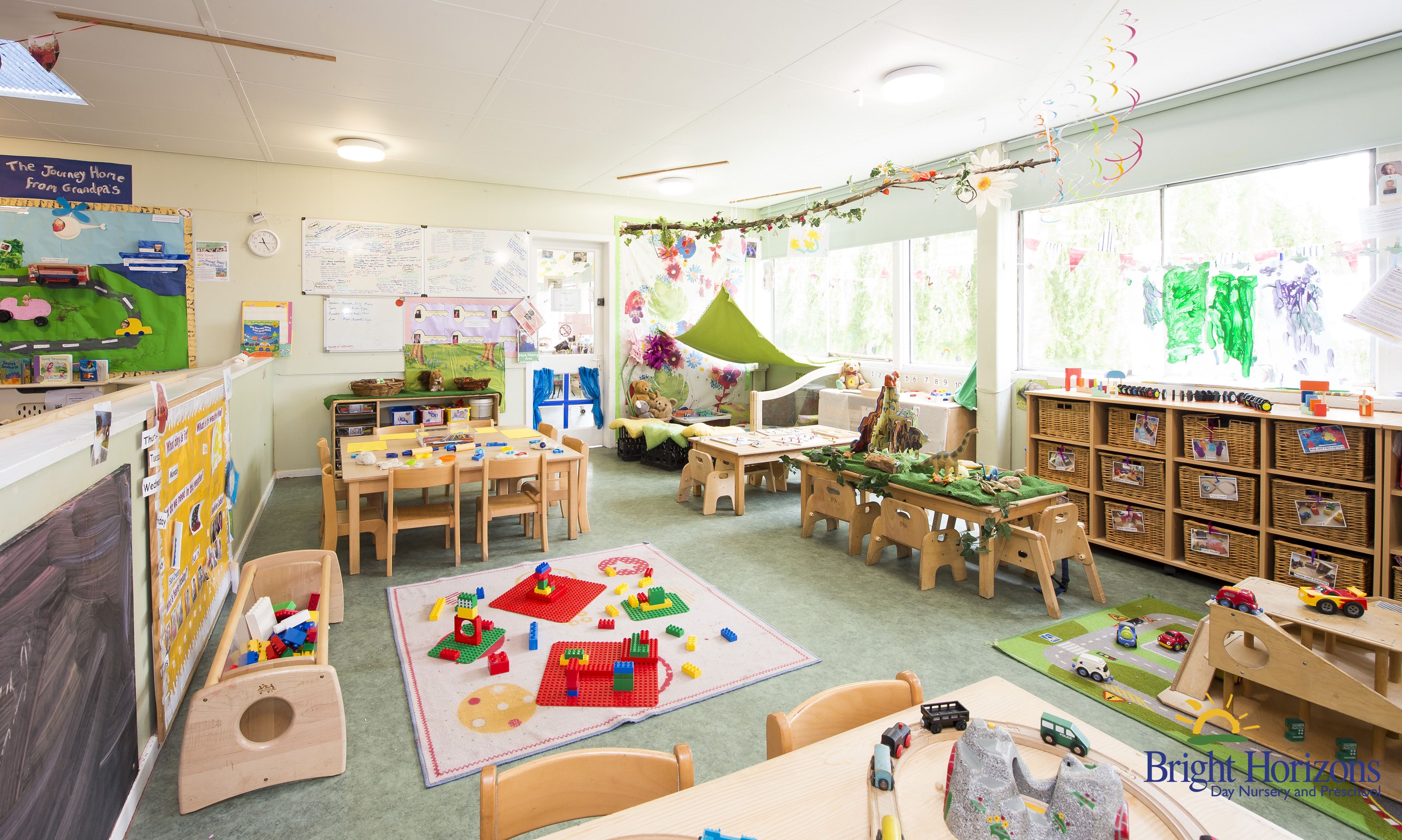
Children engaged in early years learning activities at a bright London nursery setting

01

Ofsted Rating Is the First Thing Every Parent Looks For

The Ofsted inspection rating — Outstanding, Good, Requires Improvement, or Inadequate — is the single most influential piece of information a parent uses when shortlisting nurseries, and displaying it prominently on your homepage is the most important thing your website can do. An Outstanding or Good Ofsted report should be linked directly from your homepage so parents can read the full inspection evidence without having to search the Ofsted register themselves.

For nurseries with a most recent inspection result of Requires Improvement, the website is the appropriate place to explain what improvements have been made since the inspection and when the next inspection is expected — parents appreciate transparency, and a nursery that proactively addresses a previous inspection finding demonstrates exactly the management responsiveness that Ofsted measures. For childminders, displaying your individual Ofsted registration number, DBS clearance confirmation, and Public Liability Insurance details functions identically to a nursery's full inspection display — parents apply the same criteria regardless of setting size.

02

EYFS Curriculum and Learning Approach Pages Build Confidence

The Early Years Foundation Stage (EYFS) is the statutory framework all Ofsted-registered childcare providers in England must follow, but what differentiates nurseries within that framework is their philosophy and learning approach — Forest School methods, Montessori-influenced practice, phonics-first literacy programmes, bilingual immersion, or outdoor learning emphasis. A curriculum and learning approach page that explains your EYFS interpretation, your typical daily routine, how you track each child's development, and how you share progress with parents (learning journals, Tapestry platform, parent app) converts the parent who is asking 'but what will my child actually do there?' before they can ask it.

For nurseries with a particular differentiation — forest school sessions, sign language integration, or a dedicated outdoor classroom — a dedicated approach page targeting the specific parental search for that pedagogy captures the families who have already decided they want that experience. Room progression pages (baby room, toddler room, preschool room) with age ranges, ratios, and daily structure convert parents assessing year-by-year fit before they visit.

03

Fees, Free Hours Funding, and Tax-Free Childcare Information Are Essential

A parent comparing London nurseries is almost always simultaneously comparing fees, and a nursery website that requires parents to call to find out the fee structure loses enquiries to competitors who publish theirs. A clear fees page showing your sessional and full-time weekly rates, whether you accept the 15 and 30 free hours funded childcare and the age eligibility criteria, whether you accept Tax-Free Childcare, and whether you accept childcare vouchers from legacy employer schemes answers the questions every parent asks in their first call before they have to ask them.

The funded hours pages are particularly valuable: many parents do not know whether their child is eligible for 15 or 30 funded hours, and a page that explains the eligibility clearly — including the working parent entitlement for children from 9 months introduced in 2024 — and describes how you stretch those hours across the week captures the parent who was going to call three nurseries to ask the same question. Fee transparency also filters out enquiries from families whose budget does not match your rates before either party invests time in a show-round.

04

Virtual Tours and Photo Galleries Substitute for the Show-Round

A London parent with a child under two rarely has the flexibility to visit five nurseries during working hours before they make an enquiry. A virtual tour — either a 360° photography embed or a structured video walkthrough of the rooms, the outdoor space, the sleep room, the kitchen and meal preparation area, and the key safety features — allows the parent to assess whether the environment matches their expectations before they commit to a visit.

Nurseries that provide a virtual tour on their website reduce the number of show-rounds parents need to make before shortlisting, which means the visits they do make are higher intent — parents who arrive for a show-round having already seen the nursery online are significantly more likely to apply for a place. A photo gallery structured by room and activity (group sessions, outdoor play, messy play, reading corner, meal time) gives the parent who cannot access a video tour the same information through imagery alone.

05

What We Build for London Nurseries and Childcare Providers

We build nursery and childcare websites with Ofsted rating displays linked directly to inspection reports, EYFS curriculum and learning philosophy pages, room progression pages by age group and staffing ratio, fees and funded hours information pages explaining 15 and 30-hour entitlements, Tax-Free Childcare and voucher acceptance sections, virtual tour integrations (360° photography or video walkthrough), staff team pages with qualifications and DBS confirmation, waiting list application forms, and local SEO targeting London nursery searches by borough and EYFS approach.

For childminders, individual profile sites with registration number, Ofsted rating, setting description, and availability function as standalone lead generation tools at a smaller scale. For nursery groups with multiple settings, individual location pages for each nursery capture the location-specific searches parents run when a specific postcode proximity matters for their drop-off route to work. Pricing ranges from £1,100 for single-setting nurseries to £2,800 for multi-setting groups with virtual tour integration and waiting list management.

06

Staff Team and Key Person Pages That Convert Anxious Parents

The key person system — where each child is assigned to a named member of staff who takes primary responsibility for their wellbeing, learning journal, and parent communication — is a statutory EYFS requirement, and for most parents it is the most emotionally significant question they ask about a nursery: 'Who will actually be with my child every day?' A staff team page that introduces each room leader and key person by name, photograph, Level 3 or Level 4 childcare qualification, years of experience, and a brief note on their approach to early years care converts the parent who needs to see a human face before they can trust a setting with their child.

For nurseries with long-serving staff members — a room leader who has been with the setting for eight or more years is a significant trust signal in a sector with notoriously high turnover — showcasing tenure on team pages reassures the parent who is worried about their child's attachment to a key person who might leave. Staff qualification pages also demonstrate compliance with Ofsted's mandatory qualification ratios, which inspectors check directly and which informed parents look for.

Vali Neagu

Written by

Vali Neagu

Founder, Web Design Studio London

Building conversion-focused websites and web applications for London businesses. Next.js, design, and strategy — in-house, fixed price.

Related services

Turn the research into a page.

These commercial pages connect the guide to enquiry-focused services, which supports topical depth and conversion.