London web design guide

How London Interior Designers Win High-Value Projects From Their Website

A client commissioning a £30,000 interior design project will spend an hour on the shortlisted designers' websites before they make contact. The designer who wins the brief is rarely the cheapest — they are the one whose website makes their aesthetic and process feel completely right for that client's project.

Ask for advice
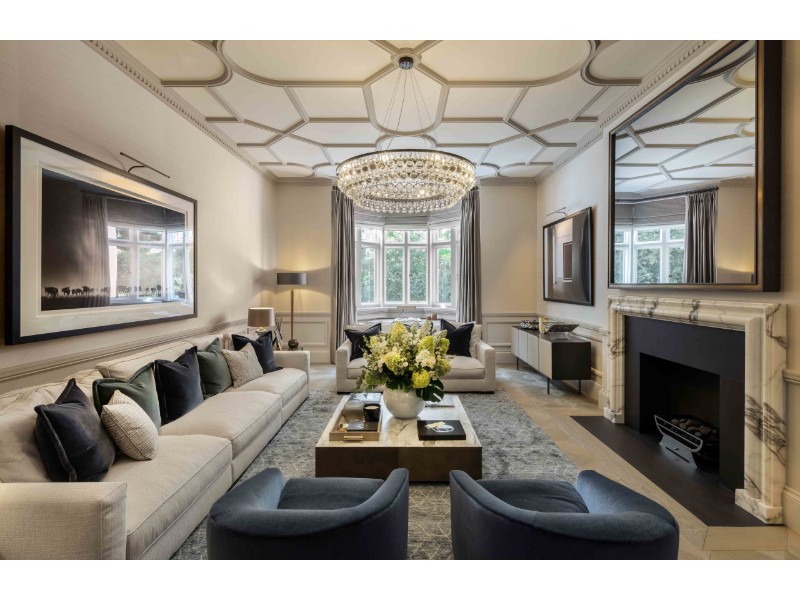
Beautifully designed London living room showcasing an interior designer's portfolio work

01

The Portfolio Is the Pitch — But Only If It Is Structured Correctly

A portfolio gallery that shows every project in chronological order asks a prospective client to do editorial work you should have done for them. Organise your portfolio by room type — kitchen, living room, bedroom, bathroom, home office — and by project scale, so a client briefing a kitchen redesign sees your kitchen work first and immediately. Each project entry should include the brief, the client's property type and location (anonymised if needed), the key design decisions, and professional photography that captures the finished result across different lighting conditions. A portfolio structured this way works as an SEO asset as well as a sales document — 'kitchen interior design London' and 'period property interior designer Notting Hill' are searches a well-structured portfolio page can rank for.

02

Style Pages That Attract the Right Brief Before You Quote

An interior designer whose portfolio spans contemporary minimalist, maximalist eclectic, and period restoration will attract a more scattered enquiry pipeline than a designer whose website positions a clear aesthetic direction. Style pages — 'Contemporary Interior Design London', 'Period Property Interior Restoration London', 'Biophilic Design London' — attract clients who have already identified the aesthetic they want and are looking for a designer who clearly works in that idiom. These pages also rank for style-specific searches that a generic 'interior designer London' page never captures, and the enquiries they generate arrive pre-aligned with your most confident work.

03

Commercial and Residential Clients Need Different Journeys

A property developer commissioning the interior design of ten luxury apartments has completely different questions from a homeowner redesigning their Chelsea maisonette. A developer wants to know about your experience with residential development schemes, your ability to coordinate with contractors and project managers, your specification process, and your fee structure relative to a build cost percentage. A homeowner wants to understand your design process, how you manage a brief, how long a typical project takes, and what your initial consultation involves. Separate service pages and enquiry flows for residential and commercial clients ensure each audience finds the specific information that moves them from interest to contact.

04

Press, Awards, and Professional Accreditation Build Positioning Before the Quote

A designer featured in World of Interiors, AD, or House and Garden carries a credibility signal that clients who read those publications recognise immediately. Press coverage, award nominations and wins (BIID, Dezeen, Andrew Martin International), and membership of the British Institute of Interior Design (BIID) or the Chartered Society of Designers (CSD) should appear on your homepage and your about page — not just in a press section that 40% of visitors never reach. For designers pitching for hospitality or commercial projects, RIBA-accredited design process documentation and professional indemnity insurance details address the procurement requirements that commercial clients have before they can engage an external studio.

05

What We Build for London Interior Designers

We design and build interior designer websites with portfolio sections organised by room type, style, and project scale — each page structured for both visual impact and search visibility. Residential and commercial service pages, a brief-capturing enquiry form that collects project type, location, approximate budget, and timeline, press and accreditation sections, and a process page that explains how you work from initial consultation to final installation form the core structure. Google Business Profile setup targeting 'interior designer [borough]' searches is included, along with on-page SEO for your highest-value project types and locations. Pricing ranges from £1,800 to £4,500 depending on portfolio volume and the number of style and service pages required.

Related services

Turn the research into a page.

These commercial pages connect the guide to enquiry-focused services, which supports topical depth and conversion.