London web design guide

How London Florists Win Local and Occasion Searches Online

Interflora and Bloom & Wild spend millions on the search terms every florist targets. The florists who win on Google own the searches those platforms ignore: 'wedding florist Islington', 'florist same-day delivery SE1', 'funeral flowers Hackney'. That is where an independent London florist can rank and convert.

Ask for advice
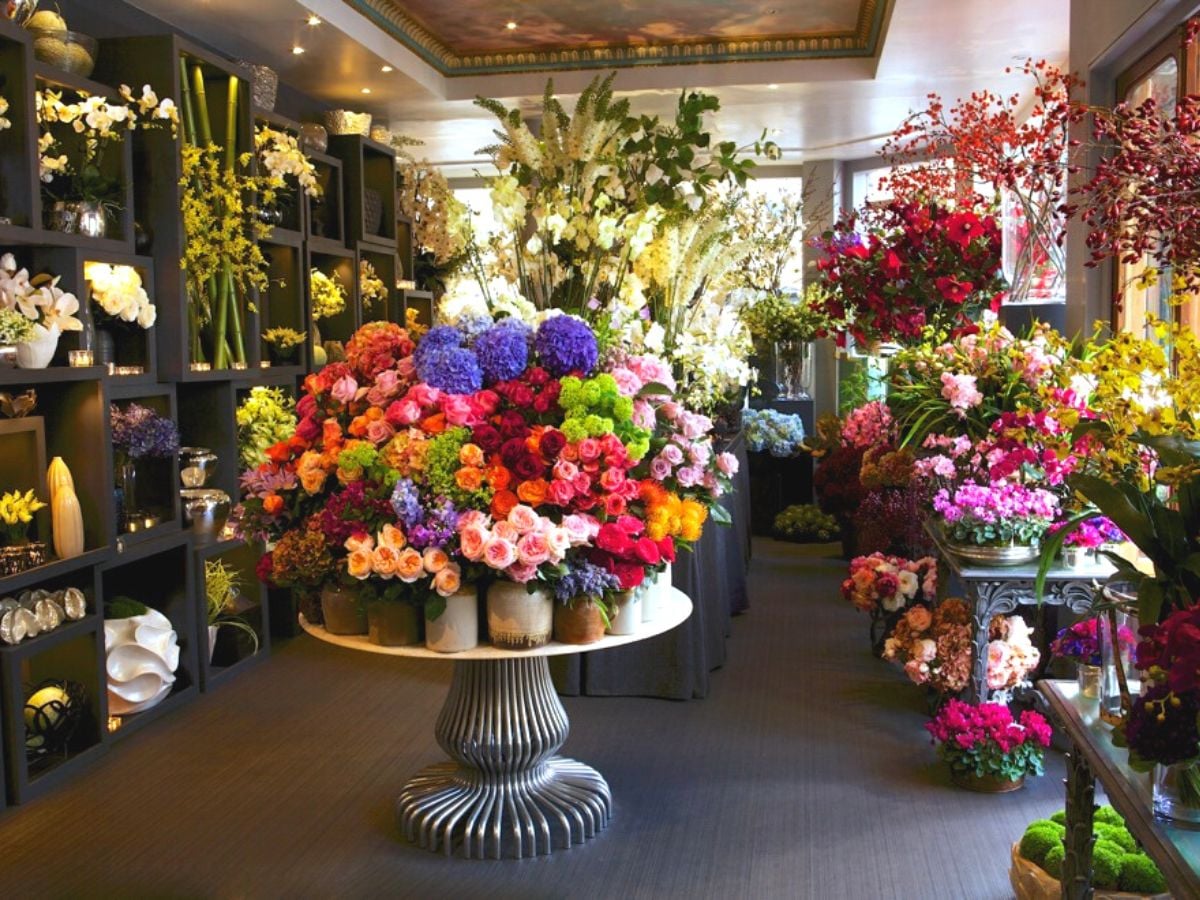
London florist arranging a fresh floral bouquet in a bright flower shop

01

Where Independent Florists Can Win on Google

Generic search terms like 'flowers London' and 'flower delivery London' are dominated by national platforms with budgets no independent florist can match. The searches you can win are local ('florist Peckham', 'same-day flower delivery W1') and occasion-specific ('wedding florist Marylebone', 'sympathy flowers Lewisham', 'corporate flowers City of London'). These searches have genuine monthly volume, high purchase intent, and are routinely left to the first local florist with a properly structured page. Most florist websites have no dedicated content for any of these terms — a single well-written page for each puts you ahead of almost every local competitor.

02

Occasion Pages That Rank and Convert

Your site needs a dedicated page for each occasion type you serve: wedding flowers (with styling examples by venue type and season), funeral and sympathy tributes (with a sensitive, clearly structured enquiry process), corporate flowers and office subscriptions (targeting facilities managers and PAs), and same-day delivery in your local area. Each page should include a gallery of your actual work for that occasion, clear pricing information or an enquiry prompt, and the specific search terms a customer would use when searching for that service. A wedding flowers page that mentions specific London venues — the Barbican, Claridge's, the Shard — picks up searches from couples who specify the venue when they search.

03

Local Delivery Area Pages for Each Postcode Zone

A page for every London area you deliver to — SE1, E1, N1, W1, SW1 and the surrounding boroughs — captures location-specific searches that most florists miss entirely. Each page needs genuine content: which flowers are popular in that area at each season, which local venues and offices you regularly supply, how the delivery slot works for that postcode. These are not thin SEO filler pages — they are the pages that rank for 'florist [area]' and 'flower delivery [postcode]' and convert because they answer the specific question a customer in that area has. Combined with a verified Google Business Profile showing your actual address, they establish local authority across multiple London zones.

04

Seasonal SEO: Planning Your Content Around Peak Demand

Valentine's Day, Mother's Day, and Christmas account for a disproportionate share of florist revenue — and the search volume peaks weeks before the date. A Valentine's Day page needs to rank by late January; a Mother's Day page needs to be live and indexed before mid-March. We build your seasonal content calendar into the site architecture from the start, with permanent URLs that accumulate authority year-on-year rather than new pages created each February that rank just after the holiday has passed. British Florist Association membership, your years of trading, and order count or customer review numbers should appear on every seasonal page to handle the price-comparison that happens during peak periods.

05

What We Build for London Florists

We build florist websites with occasion-specific pages, a gallery organised by arrangement type and event, local delivery area pages for each postcode zone you cover, and a seasonal content structure that compounds in value year on year. Every site includes Google Business Profile optimisation with your opening hours, delivery areas and an appointment or call-out link, plus structured Product schema on your arrangements where pricing allows. For florists who take wedding or event consultations, we build an enquiry flow that pre-qualifies the brief before the first meeting. Pricing typically ranges from £1,200 to £2,800 depending on occasion page count and gallery scale.

Related services

Turn the research into a page.

These commercial pages connect the guide to enquiry-focused services, which supports topical depth and conversion.