WDSL

London web design guide

By Web Design Studio London

Website for Dentists in London

Most London dental practices are losing new patients every week to competitors who simply look more credible online. If your website is slow, outdated or buried past the first page of Google, patients searching for a dentist in your area will register elsewhere — and they will not come back.

Ask for advice

Professional London dental practice with dentist consulting a patient

01

Why patients choose a dental practice based on the website before they ever call

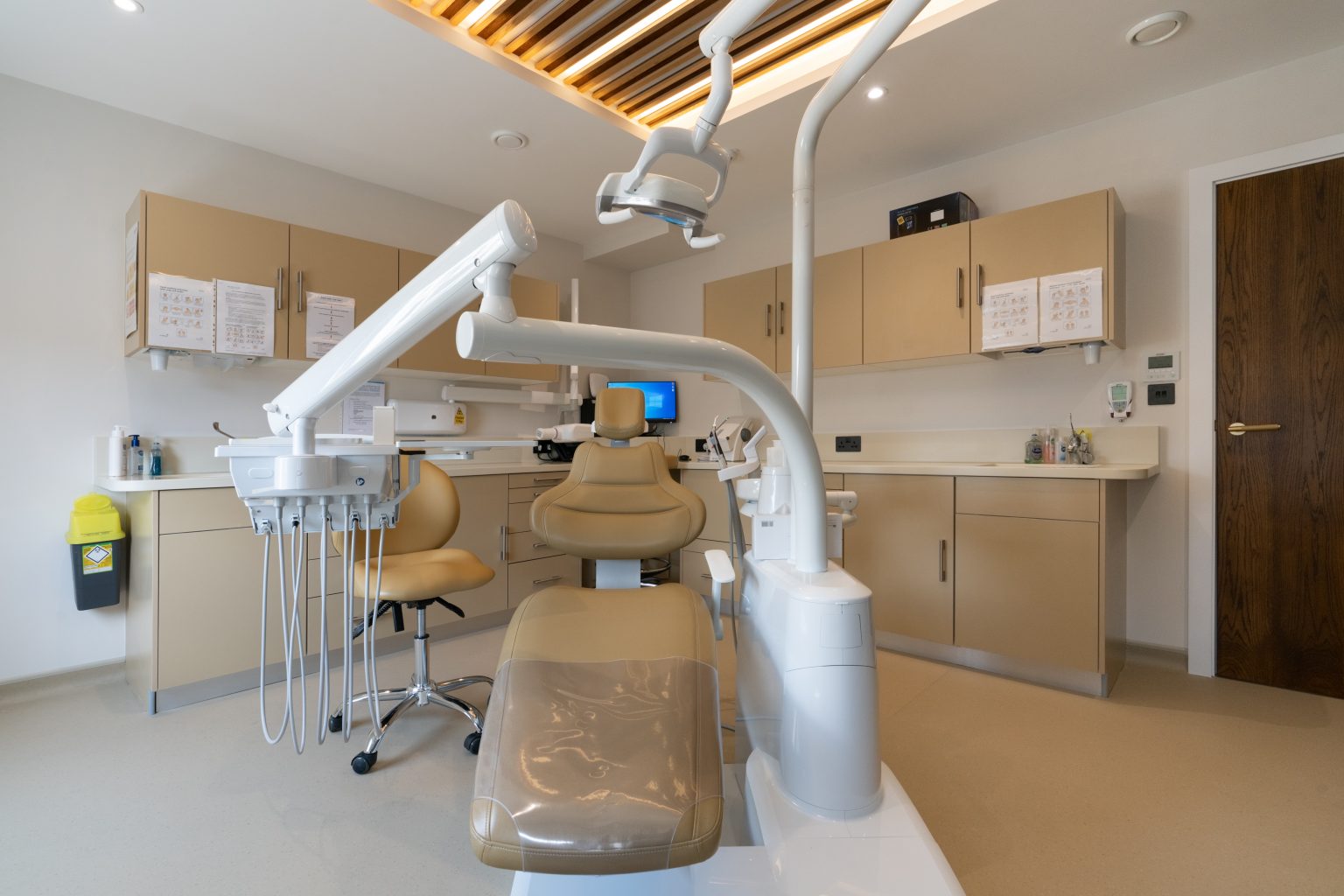
When someone in London needs a new dentist — because they have moved, because their previous practice closed, because they want a specific cosmetic treatment they cannot access on the NHS — the process is the same: they search Google, open the top three or four results, and form an impression of each practice within the first thirty seconds. The impression is primarily visual and structural. A website that loads quickly, has clear photographs of the practice, shows a phone number and booking option without scrolling, and communicates whether the practice accepts NHS or private patients will hold the visitor. A website that is slow, uses generic stock photography, buries the contact information, or does not make the booking process obvious will lose them before a decision is made. For London dental practices competing for patients in a borough where several practices are within walking distance of each other, the website quality is the primary competitive differentiator — not the quality of the dentistry, which the patient cannot assess before their first appointment.

02

Treatment pages: why Invisalign, implants and composite bonding each need their own page

A patient searching for composite bonding in South London is not searching for 'dentist Clapham'. They are searching for a specific treatment they have already researched and decided they want. 'Composite bonding London', 'Invisalign dentist Islington', 'dental implants cost London', 'teeth whitening near me' — these are distinct searches with distinct commercial intent, and they require dedicated pages to rank for them. A dental practice with a single 'treatments' page listing eight services will not rank for any of these specific searches. A practice with a dedicated Invisalign page — explaining the process, the timeline, the cost range, the difference between Invisalign and traditional braces, and the practice's experience with the treatment — will rank for Invisalign searches in its area and will convert visitors who arrive with that specific intent at a significantly higher rate than a generic treatments page.

03

GDC number, CQC registration and sedation notice: displaying the credentials patients need to see

Dental patients are making a high-trust decision about a clinical professional who will be working inside their mouth. The anxiety before registering with a new dentist is real, and a dental practice website needs to address it directly. GDC registration numbers for each dentist at the practice should be visible on the team profiles page. CQC registration status — and ideally a link to the most recent inspection report — should be displayed on the homepage or a dedicated 'about the practice' page. For practices that offer sedation, a clear statement about the availability of conscious sedation, who administers it, and what the patient experience is like removes a significant barrier for anxious patients who would not otherwise make contact. These are not compliance formalities — they are trust signals that directly influence whether a prospective patient registers or moves on to the next result.

04

New patient journey pages: what to expect, pricing transparency and NHS vs private

One of the most common reasons a prospective patient does not register with a dental practice is that they cannot answer their basic questions from the website. What happens at the first appointment? How long does it take? What is the cost of an NHS checkup versus a private checkup? Can I register as an NHS patient or is the practice private only? These are the questions patients search for and cannot always find answered clearly. A dental practice website that has a dedicated 'new patients' page — covering the registration process, what the first appointment includes, how fees are structured, whether there is a membership plan, and what NHS services are available if applicable — converts significantly more first-time visitors into registrations than a practice whose website only lists treatments. Pricing transparency in particular is increasingly expected: practices that publish clear fee guides are consistently preferred by patients comparing options online.

05

Google Reviews and before-and-after photographs: the strongest conversion tools a dentist has

In dentistry, the two most powerful things a website can show a prospective patient are what previous patients think of the practice and what the treatment results actually look like. Google Reviews embedded on the website — not just a star rating, but the full text of the review — give prospective patients access to the experiences of real patients who have had similar concerns and similar treatment needs. Before-and-after photographs of actual patient cases (with consent) are the single most effective conversion element for cosmetic dental treatments: a patient considering composite bonding wants to see what composite bonding looks like on real teeth in a real London dental practice, not a stock photograph. Practices that invest in proper clinical photography and display it prominently on their treatment pages consistently outperform those that use generic images, both in Google rankings — which reward original content — and in the patient decision to make contact.

06

What a dental practice website costs and what it returns per new patient

A focused London dental practice website — homepage, treatment pages for six to ten key services, a new patients page, team profiles with GDC numbers, location and booking information, and a Google Reviews integration — typically costs between £3,500 and £8,000. Multi-site group practice websites with patient portal integrations and complex booking systems run higher. The return depends on patient lifetime value. An NHS patient who registers and attends for checkups for five years generates £200 to £400 in NHS fees over that period. A private patient who has Invisalign and two hygiene appointments per year generates £2,500 to £4,000+ in year one alone. A cosmetic patient who has a full smile makeover generates £8,000 to £20,000 from a single treatment plan. A website that generates two additional cosmetic enquiries per month — one of which converts to a treatment plan — pays for itself multiple times over in the first six months.

Vali Neagu

Written by

Vali Neagu

Founder, Web Design Studio London

Building conversion-focused websites and web applications for London businesses. Next.js, design, and strategy — in-house, fixed price.

Related services

Turn the research into a page.

These commercial pages connect the guide to enquiry-focused services, which supports topical depth and conversion.