London web design guide

Why London Architects Need a Website That Wins Work

Most architects in London have a website — very few have one that works hard enough to win a project appointment before the first phone call. The clients you want to reach are already searching online, and the practice that shows up with the right photography, the right credentials, and the right local signals will take the brief.

Ask for advice
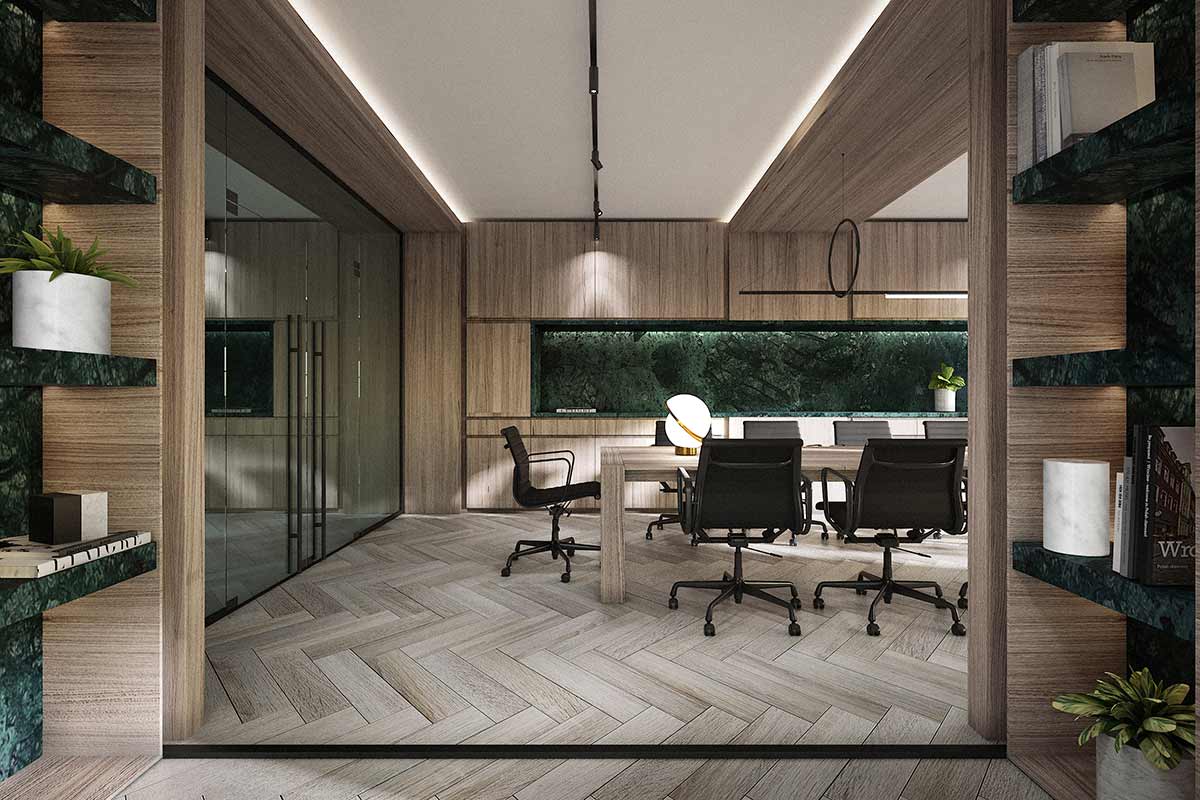

London architect reviewing project case studies and photography for their professional website

01

Your Website Is the First Portfolio a Prospective Client Sees

When a developer in Islington is assembling a shortlist for a new build, the first thing they do is look up every firm online. A portfolio of completed planning-approved schemes with professional photography, project scope, and timescales tells that client far more — and far faster — than a PDF you email them afterwards. A weak site means you lose that evaluation before anyone picks up the phone.

02

One Projects Page Is Not Enough: What an Architecture Site Needs

A homeowner planning a basement conversion in Kensington has different concerns from a commercial landlord fitting out office space in Shoreditch, and a single Projects page serves neither of them well. Separate specialism pages for residential extensions, new builds, and commercial fit-outs let each visitor land on photography and case studies that speak directly to their brief. Each page should include planning-approval outcomes, the borough, the scale of the project, and the timescale — the specifics that turn a browse into an enquiry.

03

Borough-Level Searches Are Where London Architecture Clients Are Ready to Appoint

Searches like 'architect Hackney' or 'planning application support Wandsworth' come from people who already have a site and a budget — they are ready to appoint, not just browsing. A well-structured site targets your primary boroughs with dedicated content, putting you in front of those clients at exactly the moment they are looking. Without that structure, you will not appear in the searches that actually convert.

04

ARB, RIBA, and Published Work: The Trust Signals That Close Enquiries

An ARB registration number and RIBA membership badge are not just credentials — they are what separates you from unqualified design-and-build firms when a client is comparing several websites in an afternoon. Published projects referenced in planning portals, features in local press, or coverage in architectural publications add proof that your approved work exists in the real world. These signals belong prominently on every specialism page, not buried in an About section that most visitors never reach.

05

A Site That Compounds as Your Portfolio Grows

A case study about a completed loft conversion in Hammersmith will attract enquiries from homeowners in Chiswick, Ealing, and Fulham for years without any additional spend — the content compounds. We build architecture websites that combine case studies, specialism pages, and borough-targeted content on a CMS you can update yourself when new projects complete. The result is a site that looks the part on day one and keeps generating qualified enquiries as your portfolio grows.

Related services

Turn the research into a page.

These commercial pages connect the guide to enquiry-focused services, which supports topical depth and conversion.