WDSL

London web design guide

Web Design for Yoga Studios London

A yoga studio website in London is simultaneously a marketing platform, a booking system, a community hub, and a reflection of the practice's identity. Getting it right means balancing the visual warmth and intentionality of the yoga world with the commercial rigour of a service business that needs to fill classes, sell memberships, and generate enough revenue to sustain a space in one of the world's most expensive cities to operate a wellness business.

Ask for advice
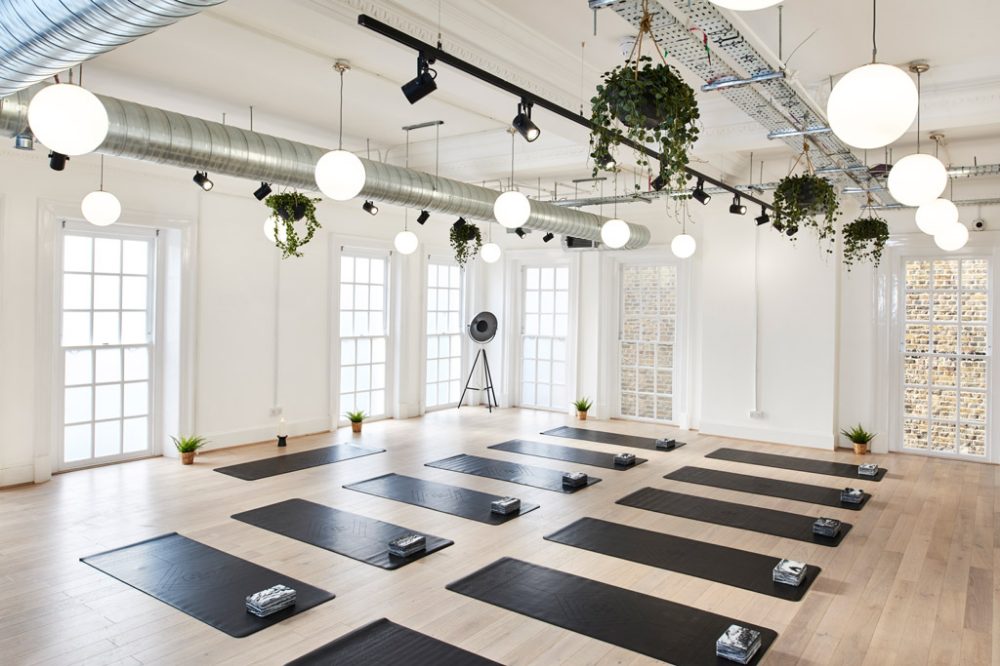
Bright London yoga studio interior with wooden floors, natural light and students in a morning Vinyasa class

01

Class Schedule Integration and Direct Booking

The most important functional decision for a yoga studio website is the booking system and how it integrates with the site. Mindbody, Glofox, Vagaro, and TeamUp are the most common platforms used by London studios. The booking widget should be embedded directly in the website — not as an external link that opens a new tab or redirects to the platform's own page — and should be accessible from the navigation on every page and prominent in the homepage's first visible section. The class schedule itself should be filterable by style (Hatha, Vinyasa, Yin, Ashtanga, Restorative, Hot Yoga, Rocket, Aerial, Pregnancy) and by teacher, so that clients who are loyal to a specific teacher or who want a specific style on a specific day can find what they need in under 30 seconds. ClassPass brings discovery traffic to London studios but takes 20–40% of the class value per visit — a studio with a strong direct booking funnel through its own website recovers this margin within six to twelve months of sustained effort.

02

Teacher Profile Pages and Building the Individual Following

In London yoga studios, clients frequently develop stronger loyalty to specific teachers than to the studio brand itself. When a teacher leaves, they often take a significant portion of their regular students. A website that builds the teacher's identity within the studio framework — individual profile pages, dedicated class listings, teacher blogs or reflections — captures this dynamic productively: clients who come for a specific teacher engage more deeply with the studio as a whole, and the teacher's online presence (social following, existing student relationships) becomes a discovery channel that brings new students into the studio. Each teacher profile should include: a professional photograph (ideally shot in the studio, in practice), training lineage and certifications (RYT 200/500, Yoga Alliance registration, specialist training — Yin, Prenatal, Therapeutics, Nidra), the classes they teach at the studio, their teaching philosophy in their own words, and links to their Instagram or personal practice content. Teacher profile pages also rank for name-specific searches.

03

Style Pages and Yoga SEO Architecture

The most effective SEO structure for a London yoga studio is a dedicated page for each yoga style offered. 'Yin yoga London', 'hot yoga Clapham', 'pregnancy yoga Hackney', 'Ashtanga led class London Bridge', 'restorative yoga Brixton', 'aerial yoga East London' — these are specific searches from people who know what they want and are ready to book. A style page that explains what the practice involves (for visitors who are curious but unsure), the physical requirements and contraindications, what to bring to this particular style of class, and which teachers at the studio specialise in it gives the visitor both the information they need and the confidence to book. Style pages also serve existing students who want to understand the difference between classes and diversify their practice. For studios offering workshops or intensives in specific traditions (Anusara, Kundalini, Tibetan Buddhist Yoga, Iyengar), separate pages for these events capture the audience searching for tradition-specific practice.

04

Membership, Class Pass and the Recurring Revenue Structure

A yoga studio with a well-designed membership programme generates predictably recurring revenue that funds operations regardless of weekly class attendance variation. The membership page on the website should present the options clearly and without confusion: unlimited monthly membership (most studios £80–£130/month in London), 10-class pass, 5-class pack, single class drop-in, and any introductory offer for new students. New student introductory offers — '30 days unlimited for £30', 'first class free', 'beginner package: 5 classes + mat for £45' — are the highest-converting pages on a yoga studio website and should be given a dedicated URL, promoted in the website header, and used as the destination for any paid social or Google Ads traffic. The conversion from introductory offer to monthly membership is the most important metric in a yoga studio's business model — the website's job is to get new students through the door at low friction; the in-studio experience converts them to members.

05

Retreat, Workshop and Training Pages

Yoga retreats and teacher training programmes are the highest-revenue events a studio can offer, and they require dedicated website pages with a different structure from class listings. A retreat page (UK, European, or international destination) should include: the location with high-quality photography, the specific programme outline (daily schedule, practice style, meditation, meals, accommodation standard), the lead teacher's biography and retreat teaching experience, the price breakdown (single/shared accommodation options, deposit to secure, payment plan), what is included and excluded, the group size limit (creating scarcity), past participant testimonials from the specific retreat, and an enquiry form or waitlist sign-up. Teacher Training (200-hour or 300-hour YTT) pages are even more significant revenue events and need detailed programme content covering the curriculum (anatomy, philosophy, sequencing, teaching methodology, practicum), scheduling (intensive immersion vs. modular over months), Yoga Alliance accreditation status, graduate outcomes, and payment plan options. These pages convert through depth of information, not brevity.

06

Local SEO: Borough and Style Combinations for London Studios

London yoga studios occupy specific neighbourhoods and draw students from a 15–25 minute commute radius for regular classes. The local SEO strategy should target the area and postcode in combination with the yoga style: 'vinyasa yoga Shoreditch', 'yoga studio Clapham SW4', 'hot yoga class Brixton', 'Yin yoga Hackney E8'. Google Business Profile is the most important local asset — it should be verified with the studio address, categorised as 'Yoga Studio' (and additionally as 'Fitness Centre'), populated with class schedule links, photos of the studio space and teachers in practice, and actively managed for reviews. New student reviews on GBP are the highest-impact acquisition tool for a local yoga studio: a student who writes 'incredible Yin class with [teacher name] on Thursday evenings — completely different from anywhere else I've practiced in London' generates both the local ranking signal and the social proof that converts the next reader into a new student.

07

Online Classes, On-Demand Library and the Hybrid Studio Model

Most London yoga studios now operate a hybrid model: in-studio classes supplemented by live-streamed online sessions and an on-demand video library for members who cannot always attend in person. A dedicated online offering page explains the platform used (Zoom for live classes, Vimeo or a custom library for on-demand), the subscription model for online access (separate from in-studio membership, or combined), the video library structure (organised by teacher, style, duration, and intensity level), and the technical requirements for participation. The commercial logic for the studio is significant: an on-demand library generates passive revenue from students who moved out of London, travel frequently, or prefer home practice — a student base that was previously lost after they stopped attending in person. For studios investing in quality video production (proper audio, good lighting, multiple camera angles), the library becomes a long-term asset that generates revenue with zero additional time cost after production.

WS

Written by

Web Design Studio London

A specialist web design and digital studio based in Covent Garden, London. We build conversion-focused websites, ecommerce stores, and web applications for London businesses — combining strategy, design, and Next.js development in-house.

Related services

Turn the research into a page.

These commercial pages connect the guide to enquiry-focused services, which supports topical depth and conversion.