WDSL

London web design guide

Web Design for Wedding Planners in London

London couples planning a wedding spend an average of 12 to 18 months in research before booking a planner. The wedding planner whose website appears for 'wedding planner London', 'full service wedding coordination London', or 'luxury wedding planner Chelsea' during that research window, and whose portfolio, reviews, and service clarity inspire confidence, wins the enquiry before comparison shopping begins. A professional wedding planning website — with service tier pages, real wedding galleries, supplier network evidence, and a qualified enquiry form — converts the searches that Hitched and Bridebook cannot deliver at the same margin.

Ask for advice
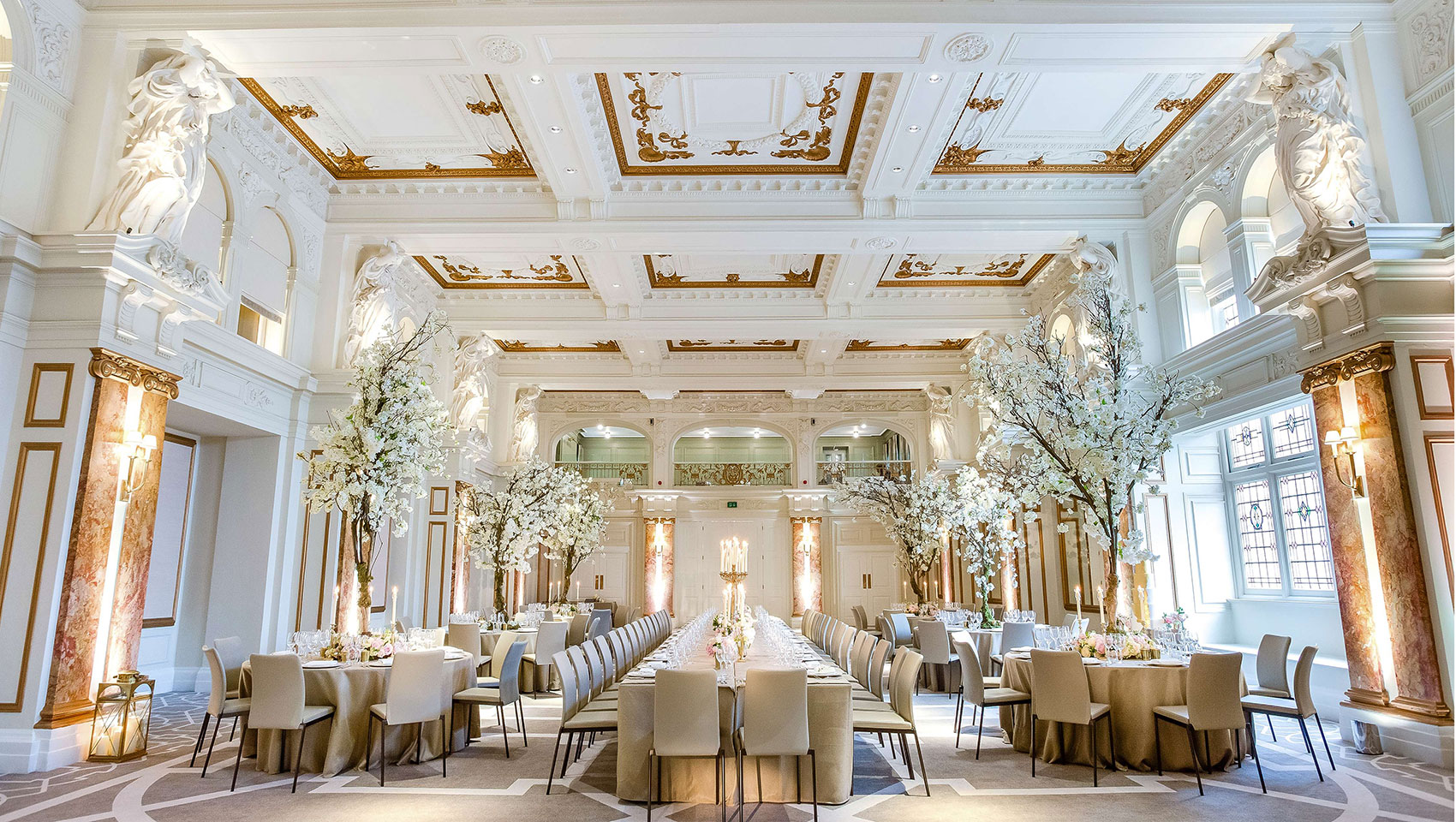

Elegant London wedding reception setup planned by a professional wedding coordinator with floral arrangements and table styling

01

Why Wedding Planners Need a Website Beyond Directory Listings

Hitched, Bridebook, and Rock My Wedding generate awareness and some enquiries, but the economics of wedding directories are increasingly unfavourable for planners: listing fees, premium placement costs, and the commoditising effect of couples comparing 20 planners side by side on price and review count. A wedding planner's own website operates differently — it exists to communicate a specific aesthetic, service philosophy, and creative point of view that no directory profile can replicate in the limited space available. A couple who has found a planner's website through an organic search or an Instagram referral and has spent 20 minutes reading through their real wedding gallery, their process page, and their about section is not comparing them on price — they are deciding whether this is the person they trust with the most significant celebration of their life. That is a fundamentally different conversion conversation from a directory lead, and the close rate from an engaged website visit is proportionally higher.

02

Service Tier Pages: Full Planning, Partial, and On-the-Day

Wedding planning services span a significant range of scope and investment — from full service planning (£5,000–£20,000+, engagement to wedding day) to on-the-day coordination only (£800–£2,500) with various partial planning tiers between. Each service tier attracts a different type of client searching with different intent: a couple who both work full time and have a £40,000 budget is searching 'full service wedding planner London'; a couple who have planned their own wedding but need professional coordination from two months out is searching 'wedding coordinator London on the day'. A dedicated page for each tier, explaining exactly what is included — number of planning meetings, supplier sourcing scope, budget management, day-of timeline management, supplier liaison calls — converts these searches efficiently by matching the prospective client's specific need. The full planning page should address the ROI argument directly: a skilled planner with established supplier relationships negotiates better prices than clients can independently, often offsetting a significant portion of the planning fee through trade discounts not available to the public.

03

Real Wedding Gallery: The Primary Conversion Asset

The real wedding gallery is the most viewed section of a wedding planner's website and the primary basis on which couples decide whether to make contact. A gallery of styled shoots and inspiration images without real client weddings communicates that the planner is inexperienced or recently established — neither is reassuring when a couple is considering committing tens of thousands of pounds. Each real wedding featured on the website should be presented as a short editorial feature: the venue (named, with location), the couple's brief and how it was interpreted, the styling direction, the key suppliers used (florist, photographer, caterer), and the specific challenges and solutions. Wedding photography — both in the gallery and across the site — should be shot by a photographer whose style matches the planner's aesthetic and client demographic: a luxury London wedding planner targeting the Kensington and Chelsea market needs editorial-quality photography that positions the work in that tier, not competent but generic imagery.

04

Supplier Network and Venue Relationships

One of the primary value propositions of an experienced London wedding planner — as distinct from a newly established one — is the supplier network accumulated over years of events: the ability to secure the sought-after florist who has a 12-month waiting list for direct bookings, the preferred supplier status at venues that makes site visits and communication significantly smoother, the relationship with the caterer who can adjust menus at short notice, and the knowledge of which venues have operational challenges that couples would not discover until the day. The website should communicate this network directly — not just implicitly through gallery credits. A 'our supplier philosophy' or 'trusted suppliers' page that lists the categories of suppliers the planner works with, explains the selection criteria (quality threshold, working relationship history, reliability record), and names a selection of preferred suppliers in each category communicates experience that a directory profile entry cannot. This is also an SEO opportunity: named venue pages targeting 'wedding planner [venue name] London' capture couples who have already identified their venue and are now looking for a planner experienced with it.

05

Enquiry Form Design and Lead Qualification

Wedding planning enquiries vary enormously in scope and suitability — a couple planning a 200-person marquee wedding at a country estate outside London has fundamentally different needs from a couple planning an intimate 20-person ceremony at a Chelsea register office followed by a private dining event. A contact form that asks only for a name, email, and date captures all of these without qualification, requiring time-consuming back-and-forth before determining whether the enquiry is within the planner's service area and scope. A structured enquiry form that asks: wedding date (or approximate season), venue (confirmed or still searching), estimated guest count, approximate budget range, service tier (full planning / partial / day-of), how they found the planner, and what they most need help with — pre-qualifies enquiries so that the planner can respond specifically and demonstrate that they have read the details. This personalised first response creates a significantly better impression than a generic 'thanks for your enquiry, let's arrange a call'. The enquiry form should also ask for the couple's Instagram handles — not for marketing purposes, but because a planner who has glanced at a couple's Instagram before the discovery call arrives informed about their aesthetic and lifestyle, which makes the first conversation immediately productive.

06

Luxury and Premium Market Positioning

London's wedding market stratifies clearly between the budget-conscious couple allocating £10,000–£20,000 total, the mid-market couple spending £25,000–£50,000, and the premium and luxury segment spending £60,000 to well over £100,000. A wedding planner whose website design, photography quality, and copywriting tone signals the premium tier will not receive budget enquiries that waste their time and will not undercut their positioning by competing on price. The design choices that signal luxury: white space, editorial photography, typographic refinement, a portfolio that shows Claridge's, the Connaught, private estates, and heritage venues rather than hotel function rooms. The copy that signals premium positioning: specific detail about design philosophy ('we approach each wedding as a one-of-a-kind creative project'), named venues and named collaborators, a founder story that establishes the experience and aesthetic sensibility of the lead planner. Planners who operate at the luxury end of the market should consider removing explicit pricing from their website — premium clients are selecting on reputation and compatibility, not comparing prices — and instead invite enquiries for a private initial conversation.

07

SEO Strategy for London Wedding Planning Searches

Wedding planning SEO in London has two distinct search categories: service-intent ('wedding planner London', 'wedding coordinator Kensington', 'luxury wedding organiser Chelsea') and venue-intent ('wedding planner Claridge's', 'recommended planner Hotel Café Royal', 'wedding planning Natural History Museum'). Service-intent keywords are higher volume and higher competition; venue-intent keywords are lower volume but convert at higher rates because the couple has already made the most significant decision (venue selection) and is now specifically seeking a planner experienced with that venue. A content strategy that includes venue-specific pages — 'planning a wedding at Claridge's: what to expect', 'guide to weddings at the Natural History Museum' — captures the second category with relatively low competition. A blog with genuine planning guidance — 'how to set a wedding budget that works', 'London wedding venues for under 50 guests', 'what does a wedding planner actually do?' — captures research-phase couples early in the planning journey, building the brand relationship before they are ready to commit to a booking conversation. The planner who has already helped a couple think through their budget, venue options, and timeline through their blog content arrives at the discovery call with a level of established credibility that cold enquiries cannot match.

WS

Written by

Web Design Studio London

A specialist web design and digital studio based in Covent Garden, London. We build conversion-focused websites, ecommerce stores, and web applications for London businesses — combining strategy, design, and Next.js development in-house.

Related services

Turn the research into a page.

These commercial pages connect the guide to enquiry-focused services, which supports topical depth and conversion.