WDSL

London web design guide

Web Design for Vets and Veterinary Practices in London

A pet owner in London searching for a vet is making a decision about trust — trust that the practice is qualified, caring and accessible when they need it most. Your website is the first place they form that judgement, often before they ever call.

Ask for advice
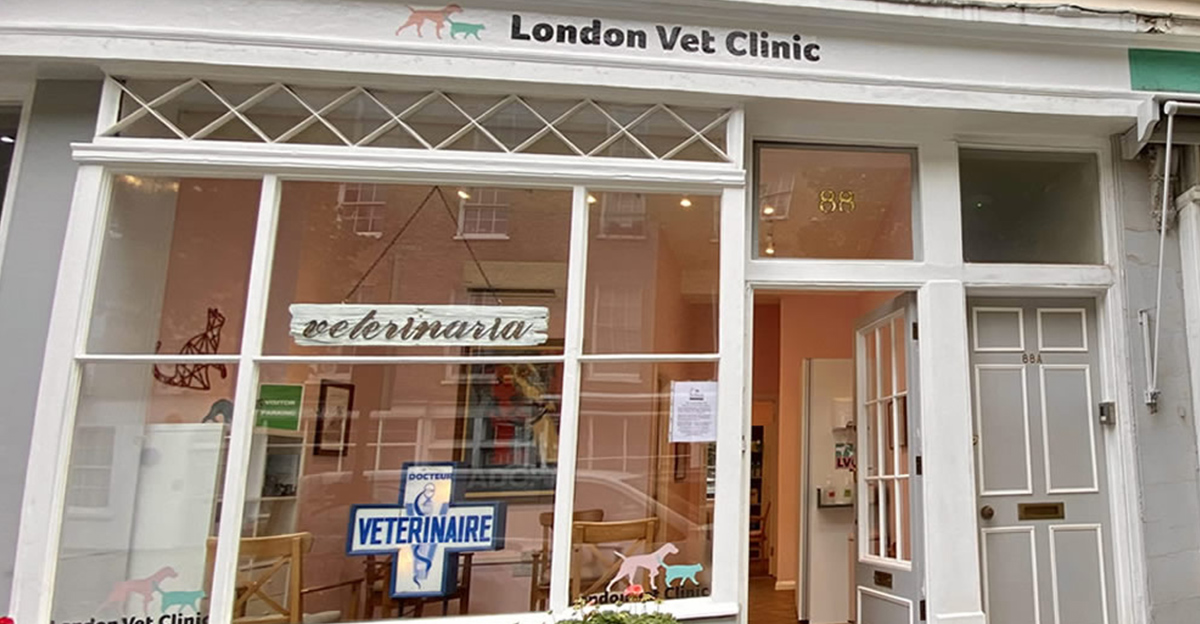

London veterinarian examining a dog at a modern veterinary clinic in London

01

What Pet Owners Look for on a Vet Website Before Registering

Pet owners arriving at a veterinary website are asking three questions: are you qualified and accredited, do you treat my type of pet, and can I get an appointment easily? RCVS Practice Standards Scheme accreditation displayed prominently, a clear list of species and conditions treated, visible opening hours and an easy booking path address all three before the visitor reads beyond the homepage. Practices that bury their accreditation in a footer page or list services in a vague single paragraph lose registrations to competitors who communicate clearly. The emotional dimension also matters — photography of real staff with real animals, rather than stock photos of anonymous vets, builds connection and warmth that translates into registrations.

02

Service Pages by Species and Condition

General practice veterinary websites that list all services on a single page rank poorly for specific searches and give visitors no clear signal about depth of expertise. Dedicated service pages for dogs, cats, rabbits, exotic animals, birds and small mammals allow each page to target specific search terms — 'rabbit vet London', 'exotic animal vet North London', 'cat vet Islington' — and to explain the specific care approach for each species. Specialist service pages for dentistry, orthopaedic surgery, dermatology, oncology or cardiology serve a dual purpose: they rank for high-intent referral searches and signal to pet owners that the practice has depth of expertise beyond routine vaccinations and check-ups.

03

Online Appointment Booking for Veterinary Practices

Pet owners whose animal is unwell outside of office hours — Saturday evening, Sunday morning, bank holidays — represent a significant share of new patient enquiries. Practices that offer online appointment booking capture these registrations where practices with phone-only booking lose them. Veterinary booking platforms including PetsApp, VetDesk and VetCheck integrate directly into practice management systems, allowing clients to book routine appointments, request callbacks for urgent concerns and submit clinical history before their visit. A clear distinction between routine booking (3-5 days lead time) and urgent or emergency triage (same day, click-to-call) prevents the booking system from being misused for genuine emergencies while still capturing both patient types.

04

Emergency and Out-of-Hours Information

Out-of-hours emergency information is one of the most-searched sections of any veterinary practice website. Pet owners whose animal is in distress at midnight are not browsing — they need a phone number immediately. The emergency contact section should appear prominently on the homepage, ideally above the fold on mobile, with a click-to-call number, the name of the out-of-hours provider if you use one, and clear guidance on what constitutes an emergency requiring immediate care versus a concern that can wait for a routine appointment. If your practice provides its own out-of-hours cover, this is a significant competitive advantage that should be communicated clearly. If you refer to a third-party emergency clinic, give the name, address and phone number of that clinic directly on your site.

05

RCVS Accreditation and Vet Team Profiles

RCVS Practice Standards Scheme accreditation is the clearest independent signal of practice quality that pet owners can recognise. Displaying your accreditation status, the category of award (Core, General Practice, Tier 1, 2 or 3 Hospital) and a direct link to verify on the RCVS website provides verifiable trust in a way no marketing copy can. Individual vet and nurse profile pages with professional photos, qualifications, RCVS registration numbers, species interests and a few sentences about their clinical approach build personal connection. Pet owners frequently develop strong loyalty to specific vets and nurses — profile pages that communicate individuality and clinical interest help clients choose and return to the people they trust.

06

Preventive Care and Pet Health Content for SEO

Pet owners search for health information constantly: 'how often does my dog need a flea treatment?', 'cat vaccination schedule UK', 'is my rabbit's diet healthy?', 'signs of dental disease in dogs'. Veterinary practices that publish accurate, readable pet health guides on their website rank for these informational searches and build an ongoing relationship with pet owners who are not yet registered. A monthly pet health article targeting a seasonal concern (fireworks anxiety in November, heatstroke in summer, lungworm in spring) or a common breed-specific condition reaches pet owners at exactly the moment they are searching for the information. This content also demonstrates clinical depth and positions the practice as a trusted resource rather than simply a transactional service.

07

Local SEO for London Veterinary Practices

London pet owners search for vets within a practical travel radius — typically two to four miles on foot or by public transport, or by car in outer boroughs. Neighbourhood-level pages — 'vet in Hackney', 'cat vet Clapham', 'dog vet North London' — target the geographic searches that account for a high proportion of new patient registrations. A Google Business Profile with up-to-date opening hours, services listed, photos of the practice and consistent patient reviews is essential for appearing in the local map pack. For practices with a specific specialism — exotic animals, referral surgery, feline-only practice — specialism-specific content and directory registrations amplify the signal and attract referred patients from across a much wider geographic area.

Related services

Turn the research into a page.

These commercial pages connect the guide to enquiry-focused services, which supports topical depth and conversion.