WDSL

London web design guide

Web Design for Restaurants London

A London restaurant website has one commercial job above all others: capture the booking before the customer goes back to OpenTable, Resy, or Deliveroo. Every structural and design decision on a restaurant website should serve that goal — removing friction between 'I want to eat there' and a confirmed reservation. London restaurants that invest in a website built around direct booking conversion reduce their commission exposure, own the customer relationship, and rank for the food and area searches that fill covers on quieter nights.

Ask for advice
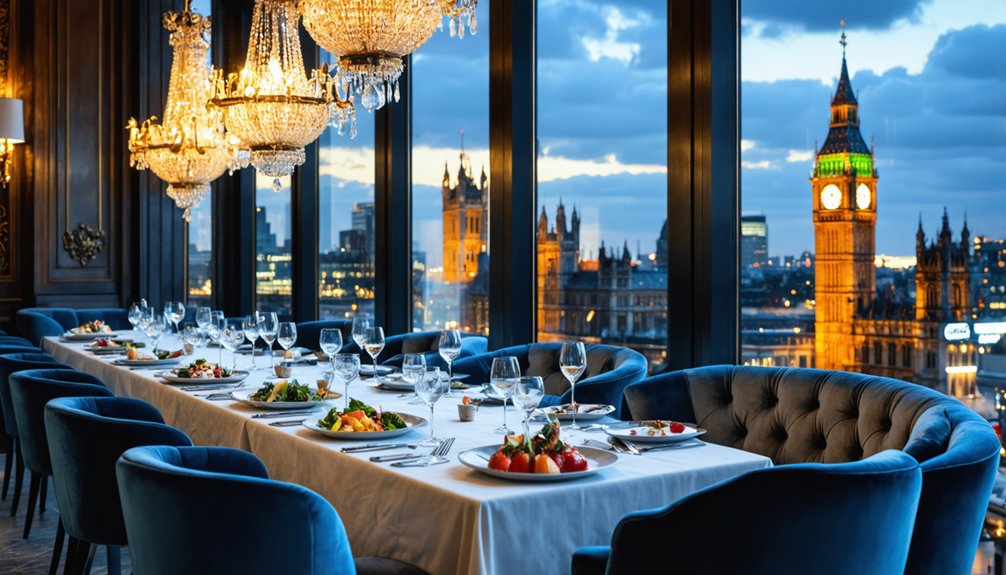

Modern London restaurant interior with professional photography setup showing table settings and ambient lighting for website

01

Direct Booking Integration and Commission Reduction

London restaurants using OpenTable exclusively pay 2–4 per cover per booking — for a 40-cover restaurant turning 2–3 covers per night, that is £160–£480 per week in commission on bookings the restaurant itself could own. Resy, SevenRooms, and Eatclubpro all offer direct booking widgets with lower per-cover fees or flat monthly subscriptions, and all can be embedded directly on your own website. The key placement decisions are: the booking button in the top navigation visible on every page, a booking module in the first visible section of the homepage (above the scroll), and a dedicated reservations page that loads immediately without redirect. Google Ads for 'book [your restaurant name]' should route to this page, not to an aggregator. Restaurants that move 30–50% of bookings to their own site typically break even on the website cost within one quarter from commission savings alone.

02

Menu Presentation and the Mobile Decision Moment

Sixty-eight per cent of restaurant website visits in London happen on mobile, and the most common action is checking the menu. A PDF menu — which most restaurants still use — fails on mobile: it requires downloading, zooms poorly, and cannot be indexed by Google. An HTML menu, structured as a proper web page with section headings (starters, mains, desserts, drinks) and individual dish names as text, is searchable, loads instantly, and ranks for food-specific queries like 'truffle pasta London' or 'lamb cutlet Islington dinner'. It also allows Google to understand that your restaurant serves specific cuisines and dishes, improving your appearance in food category searches. Seasonal menus updated regularly are a content freshness signal to Google. Tasting menu pages with wine pairing descriptions attract high-spend diners who search specifically for these experiences — a separate page for your tasting menu, chef's menu or Sunday lunch menu captures this intent precisely.

03

Photography and the First Impression That Drives Bookings

Restaurant photography is the highest-ROI investment a London hospitality venue can make in its website. The single image in the first visible section of the homepage — above the fold, full-width or near-full-width — determines whether a visitor stays or bounces. It should show the dining room at service, occupied by real guests under the actual lighting conditions of the restaurant. No empty rooms, no harsh daylight, no stock photography. For food pages, dishes should be photographed individually, styled honestly (what the dish looks like when it arrives, not an idealised version), against a neutral background with a clear indication of portion size. Google Business Profile images are equally important: a restaurant with 30 high-quality photos in its GBP listing generates significantly more map-pack clicks than one with 5. Budget for a professional shoot every 18–24 months or whenever the menu changes significantly — the visual difference between a professional shot and a phone photo taken under restaurant lighting is immediately apparent to a potential diner.

04

Local SEO: Borough and Cuisine Pages for London Restaurants

Most London restaurants try to rank for 'best Italian restaurant London' — a query dominated by TripAdvisor, TimeOut, and Yelp. The searches that are actually winnable, and that drive qualified traffic, are more specific: 'Italian restaurant Clapham', 'best pasta Clerkenwell', 'Sunday lunch Marylebone', 'vegan tasting menu Shoreditch'. These are lower competition and higher intent — the person searching has already decided where in London they want to eat and what they want to eat, making them far more likely to book. Structure your website to answer these queries: a borough-specific page ('Private dining Islington'), a cuisine + occasion page ('Japanese omakase London'), a dietary category page ('plant-based fine dining London Bridge'). Cross-reference these pages with your Google Business Profile, which should have your restaurant listed under the most specific food category available (not just 'Restaurant' — use 'Japanese Restaurant', 'Italian Restaurant', 'Vegan Restaurant'). Reviews on GBP referencing specific dishes and occasions are the most powerful local ranking signal available.

05

Private Dining and Events Pages

For London restaurants with a private dining room or the ability to take exclusive bookings, a dedicated private dining page is one of the highest-converting pages you can build. Corporates, PA bookers, and event agencies searching 'private dining room Mayfair', 'exclusive hire restaurant City of London', or 'restaurant for 30 people Shoreditch' are high-value enquiries with large party sizes. This page should include: the maximum capacity of the room both seated and standing, photos of the room set up for both formal dinners and more casual events, the catering formats available (set menu, canapes, tasting menu, sharing platters), the AV and presentation capability if applicable, a clear statement of minimum spend or per-head pricing ranges, and a specific enquiry form that asks for date, party size, occasion type, and dietary requirements. Responding within two hours to private dining enquiries — which the form can trigger automatically — wins the booking against competitors who respond the next day.

06

Restaurant Schema, Google Business Profile and Review Management

Restaurant schema markup tells Google specifically what your business is, what it serves, its hours, its price range, and whether it accepts reservations. A properly marked-up restaurant website is eligible to show price range (£–££££), cuisine type, opening hours, and 'Reserve a Table' action directly in the Google search result — significantly increasing click-through rate before anyone lands on your site. Your Google Business Profile is the companion to this: complete it with every available category, keep your hours updated (including holiday closures and special hours), add your menu URL, activate messaging, and post weekly updates showing new dishes, events, or seasonal changes. Review management matters enormously: the London restaurant market is competitive and diner decisions are heavily influenced by recent reviews. A response strategy for negative reviews — professional, non-defensive, specific — demonstrates that the management cares, which is itself a trust signal to prospective diners reading the review thread.

07

Delivery, Takeaway and the Own-Platform Opportunity

Deliveroo, Uber Eats, and Just Eat charge London restaurants 25–35% commission per order — the highest commission structure in the food service sector. A restaurant website with its own ordering system (Flipdish, Slerp, OrderMark, or a simple phone-and-confirm system with online payment) reduces this significantly, typically to a flat monthly fee or 5–10% per order. The website value proposition for this is clear: 'order directly and save' — a discount of 5–10% for direct orders is funded by the commission saving and gives the customer a reason to order through you rather than the platform. Your GBP listing allows you to add a direct Order Online link, and Google increasingly shows this as a prominent CTA for restaurants in local search. Building your delivery customer database through direct orders also gives you the email addresses for remarketing, loyalty schemes, and menu updates — a commercial asset that aggregator orders never provide.

WS

Written by

Web Design Studio London

A specialist web design and digital studio based in Covent Garden, London. We build conversion-focused websites, ecommerce stores, and web applications for London businesses — combining strategy, design, and Next.js development in-house.

Related services

Turn the research into a page.

These commercial pages connect the guide to enquiry-focused services, which supports topical depth and conversion.