WDSL

London web design guide

Web Design for Physiotherapists London

A London physiotherapy website has to do two things at once: communicate clinical credibility to a patient who is in pain and seeking reassurance, and make it practical to book an appointment before they navigate away to a competitor or the NHS waiting list. These two goals are compatible but require deliberate structure. The practices that rank well and convert well in London are those that organise their website around specific conditions, specific patient types, and specific geographic areas — not generic 'all injuries treated' positioning.

Ask for advice
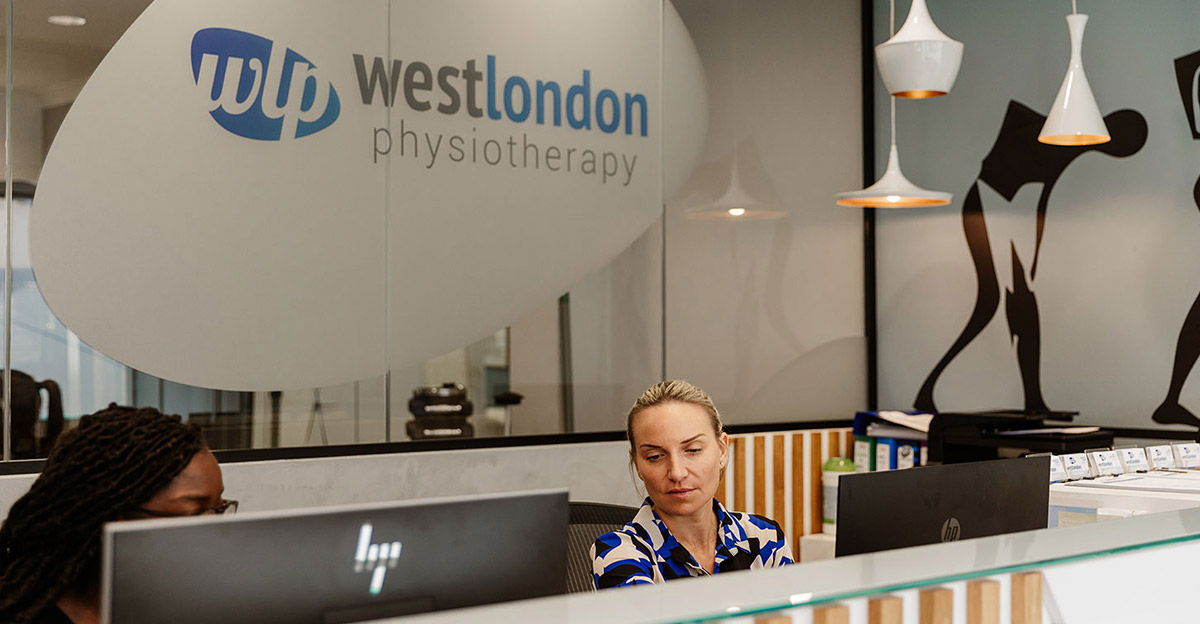

Modern London physiotherapy clinic treatment room with professional equipment and clean clinical environment

01

Condition Pages: The Core SEO Architecture for Physiotherapy

The single highest-impact SEO decision a London physiotherapy practice can make is building a separate page for each core condition treated. 'Back pain physio London', 'knee injury physiotherapist Islington', 'sports physio for runners Clapham', 'post-op rehabilitation London' — these are searches with clear intent from patients actively looking for help, and they are substantially less competitive than 'physiotherapist London'. A practice with twelve condition pages (back pain, neck pain, shoulder injury, hip pain, knee injuries, sports injuries, post-surgical rehabilitation, pregnancy-related pain, pelvic floor, headaches, TMJ, fibromyalgia) has twelve rankings opportunities rather than one. Each condition page should explain: what the condition is in plain language, how physiotherapy helps, what a first appointment for this condition involves, typical treatment course length and expected outcomes, and a booking CTA. HCPC registration and Chartered Society of Physiotherapy (CSP) membership credentials should appear on every condition page, not only on the about page.

02

Online Booking and Reducing Telephone Friction

Most London physiotherapy practices still rely on phone calls to book appointments, and most patients book in the evening when the practice is closed. An online booking system — Cliniko, Jane App, Power Diary, or PhysioPro — available 24 hours a day removes the friction between finding the practice and securing an appointment. The booking flow should allow the patient to select the type of appointment needed (initial assessment, follow-up, sports massage, sports injury), their preferred physiotherapist if there are multiple practitioners, and their preferred time. First appointments should be bookable without a phone call. A separate urgent or same-day appointment option for acute injuries — prominently displayed — captures patients who are in immediate pain and will otherwise call the first practice that offers quick access. Reducing appointment acquisition from a phone call to an online booking typically increases conversion rates by 25–40% for practices making the switch.

03

Building Patient Trust: HCPC, CSP and Clinical Credentials Display

Healthcare decisions involve higher trust requirements than most service purchases. A patient choosing a physiotherapist in London will look for evidence of registration, qualification, and specialisation before booking. Your website should display, prominently and on every relevant page: HCPC registration (statutory requirement for practising physios, with the register link), CSP membership, any specialist postgraduate qualifications (Diploma in Musculoskeletal Medicine, Level 4 Sports Massage, Dry Needling Certificate, Pilates-based rehabilitation training, Manual Lymphatic Drainage), and clinic accreditation if applicable (BUPA, AXA PPP, Aviva, Cigna, VITALITY, WPA recognition for insurance-funded patients). Individual physiotherapist profile pages, with professional headshots taken in a clinical or neutral setting, a career background summary, areas of specialism, and a patient testimonial specific to that practitioner, increase the personal trust factor significantly. For practices with multiple physios, these profile pages also rank individually for therapist name searches.

04

Insurance Recognition and Self-Pay Pricing Transparency

A significant proportion of London physiotherapy demand comes from patients with private medical insurance (BUPA, AXA Health, Aviva, Cigna, Vitality) seeking recognised providers for funded treatment. If your practice is recognised by private health insurers, this must be prominently displayed on your website — on the homepage, on the booking page, and on the insurance information page — along with instructions on how to claim: whether the patient needs a GP referral letter, how to obtain a pre-authorisation number, what your excess implications are, and how invoicing works with each insurer. For self-pay patients, transparent pricing is increasingly expected. A clear pricing page stating your initial assessment fee (typically £70–£120 in London), follow-up session cost, extended appointment options, and any session packages removes the anxiety of not knowing the cost before committing to an appointment.

05

Sports Physiotherapy and Athlete Patient Acquisition

London has a dense sports participation community: amateur and club-level runners, cyclists, gym-goers, martial artists, swimmers, footballers, tennis players and triathletes, all of whom experience soft tissue injuries and overuse conditions. A dedicated sports physiotherapy section of your website — separate from general physiotherapy, with content specific to running injuries, cycling overuse patterns, CrossFit-related shoulder and back presentations, and sports return-to-play protocols — attracts this audience and positions your practice as a specialist rather than a generalist clinic. Named condition pages for sports-specific injuries (IT band syndrome, plantar fasciitis, rotator cuff tears, shin splints, ACL rehabilitation, hamstring injuries) capture the searches this population makes. If any of your physiotherapists work with named sports clubs, professional athletes, or running groups (London Marathon training groups, cycling clubs), this should be mentioned — it establishes credibility with the competitive amateur market that drives consistent physiotherapy demand.

06

Borough and Area Pages for Local Physiotherapy Search

London physiotherapy searches are heavily area-based: patients typically will not travel more than 20–30 minutes for a physiotherapy appointment, making borough and postcode level targeting the most practical SEO strategy. A clinic in Bermondsey should have pages for 'physiotherapist Bermondsey SE1', 'physio London Bridge', 'sports physio Elephant and Castle' — the areas within a plausible commute radius — each with content confirming the location, transport links, parking, and the specific conditions treated at that clinic. Google Business Profile is the parallel investment: verified with the precise clinic address, complete with opening hours, all specialisms listed as services, and a current bank of patient photos (waiting room, treatment room, staff headshots). For practices with more than one London location, each location should have its own GBP listing, its own section on the website, and its own set of area pages — this separates the search footprints and avoids the single-location ranking ceiling.

07

Pelvic Floor and Women's Health Physiotherapy Pages

Pelvic floor physiotherapy and women's health physiotherapy are high-growth specialisms in London with meaningful search demand and limited supply of practices that communicate their offer clearly online. Searches including 'pelvic floor physiotherapy London', 'women's health physio after childbirth', 'postnatal rehabilitation London', 'stress incontinence physio Clapham', and 'prolapse physiotherapy London' are consistently queried by women who are often dealing with conditions rarely discussed openly — conditions where a physiotherapy website that addresses these needs directly, using clinical language alongside accessible explanation, stands out dramatically. A dedicated women's health section with individual pages for postnatal rehabilitation, pelvic organ prolapse, stress and urge incontinence, preparation for childbirth, and diastasis recti recovery positions your practice precisely for the searches this patient group makes. Including a FAQ section addressing common questions about what an appointment involves, whether a chaperone is available, and what patients should expect during an internal assessment removes the uncertainty that frequently prevents women from booking.

WS

Written by

Web Design Studio London

A specialist web design and digital studio based in Covent Garden, London. We build conversion-focused websites, ecommerce stores, and web applications for London businesses — combining strategy, design, and Next.js development in-house.

Related services

Turn the research into a page.

These commercial pages connect the guide to enquiry-focused services, which supports topical depth and conversion.