WDSL

London web design guide

Web Design for Photographers London

A photographer's website does one thing above all others: it shows the work. Every other element — copy, pricing, testimonials, contact forms — is secondary to the quality of the images and the quality of how they are presented. London photographers who invest in a website that presents their work at its highest standard, loads fast and is easy for the right clients to navigate convert more enquiries from more of the clients they actually want to work with.

Ask for advice
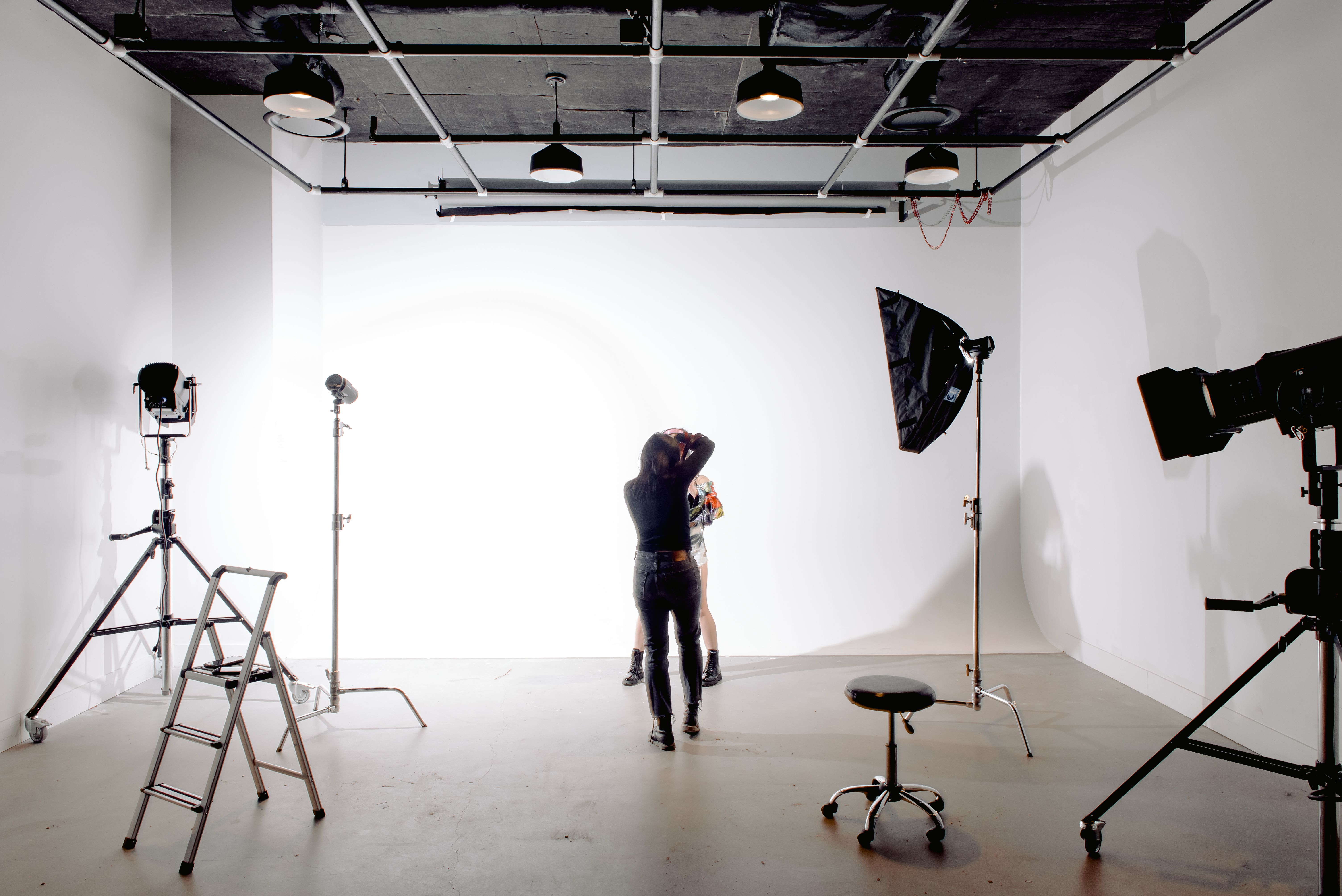

Professional photographer in London studio setting up camera equipment for a portrait photography session

01

Portfolio Curation and Presentation Quality

The first and most important decision on any photography website is curation: what work to show, and what to leave out. Prospective clients make their judgement based on the weakest image in your portfolio, not the strongest. A focused selection of thirty outstanding images in your primary specialism is more effective than two hundred images across six genres. The presentation of those images matters as much as the images themselves: loading speed, full-bleed display, consistent aspect ratios, considered sequencing and intuitive navigation all affect how the work is perceived. An image that takes four seconds to load or is compressed into a 400-pixel thumbnail has its impact halved before anyone has actually looked at it. The technical standard of your website's image presentation is part of the brief — it must be good enough not to undermine the photography itself.

02

Specialism Pages That Rank and Convert

Photographers who cover multiple specialisms should have dedicated pages for each — both for SEO and for client clarity. A wedding photography page, a corporate headshot page, a commercial product photography page, an editorial portrait page — each brings in a different client audience through a different set of search terms, and each needs to speak to that audience's specific concerns. A wedding photography client wants to see full wedding coverage, understand your approach to the day and know your pricing structure. A commercial client wants to see product shots, brand campaigns and their relevant industry examples. A headshot client wants to see variety of subject types, expression and lighting. Mixing these audiences on a single generic portfolio confuses both. Separate specialism pages with relevant portfolio selections, relevant testimonials and relevant pricing information perform better for both SEO and conversion.

03

Fast Loading and Mobile-First Image Display

Photography websites have an inherent technical challenge: high-quality images are large files, and large files load slowly. Slow loading costs you both Google rankings and client patience — a site that takes more than three seconds to start loading on mobile loses a significant percentage of visitors before they see a single image. The solution is not to compromise image quality but to implement it intelligently: WebP or AVIF format images (typically 40-60% smaller than JPEG at equivalent quality), responsive srcset attributes so mobile devices download appropriately-sized images rather than desktop-sized ones, lazy loading for images below the fold, and a CDN for global delivery speed. These are not optional optimisations for a photography website — they are the baseline technical requirements for a site that performs. A well-built photography website should achieve a Google PageSpeed Insights mobile score of 85 or above.

04

Pricing Transparency and Package Information

Pricing transparency on photography websites is a contested topic. The argument against displaying prices is that every project is different and prices can put off clients before you have had a conversation. The argument for is that clients comparing photographers online often use price as an initial filter, and practices that do not display pricing lose these visitors to competitors who do. The most effective approach for most photographers is indicative pricing: 'wedding photography packages from £1,800' or 'half-day commercial shoot rates from £600', with a clear statement that final pricing is confirmed after a brief discussion of the project. This removes the uncertainty without committing to a price that might not apply to a specific brief. Package pages that describe what is included — number of hours, number of edited images, delivery timeline, print rights, additional shooter option — build perceived value and convert at higher rates than bare price lists.

05

Client Testimonials and Publication Credits

Social proof for photographers comes in two forms: client testimonials and publication or editorial credits. Client testimonials are most effective when they describe the experience of working with you — how you made subjects feel comfortable, how you communicated on the day, how you delivered the final images — rather than just assessing the quality of the work. For commercial and editorial photographers, a client and publication logo section — displaying the brands, magazines and organisations you have worked with — builds credibility faster than any testimonial. A 'as featured in' section with recognisable logos is one of the highest-impact trust elements available and should be on the homepage if your editorial or commercial credits are strong.

06

Blog and Behind-the-Scenes Content

A photography blog serves dual purposes: it generates organic search traffic and it builds the personal connection that often tips a prospective client toward making contact. Behind-the-scenes posts — describing the preparation, challenges and process of a particular shoot — give prospective clients a sense of how you work and what it would be like to hire you. Blog posts targeting specific searches — 'best London venues for wedding photography', 'how to prepare for a corporate headshot', 'what to wear for a portrait session' — bring in readers who are actively planning a shoot and building a relationship with you before making contact. For photographers with a strong specialism, educational content on photography technique builds authority within a professional community and generates backlinks from photography publications and communities — both of which improve organic search visibility.

07

Local SEO for London Photographers

Photography is a local business for most practitioners — clients prefer to book a photographer they can meet before the shoot and who knows their location well. 'Wedding photographer London', 'corporate headshot photographer City of London', 'product photographer East London', 'family portrait photographer North London' — these searches bring in clients who are actively booking and have already qualified by location. A Google Business Profile is worth maintaining with your studio or base address, your specialisms listed individually and recent portfolio images updated regularly. For photographers who travel to client locations across London, a coverage area description and transport accessibility information is useful. Location-specific blog content — 'best spots for outdoor portraits in Hampstead Heath', 'London wedding venues for natural light photography' — ranks for hyperlocal searches and demonstrates genuine familiarity with London locations.

Related services

Turn the research into a page.

These commercial pages connect the guide to enquiry-focused services, which supports topical depth and conversion.