WDSL

London web design guide

Web Design for Pet Groomers in London

London pet owners searching 'dog groomer near me' or 'cockapoo grooming Hackney' are ready to book — they just need to find a groomer they trust. A professional pet grooming website with a breed service menu, before-and-after gallery, online booking, and borough-specific pages captures these searches before the owner calls the first salon that appears on Google Maps. The grooming businesses that fill their appointment books consistently are those that have moved beyond Facebook posts and Treatwell listings to a website that works around the clock.

Ask for advice
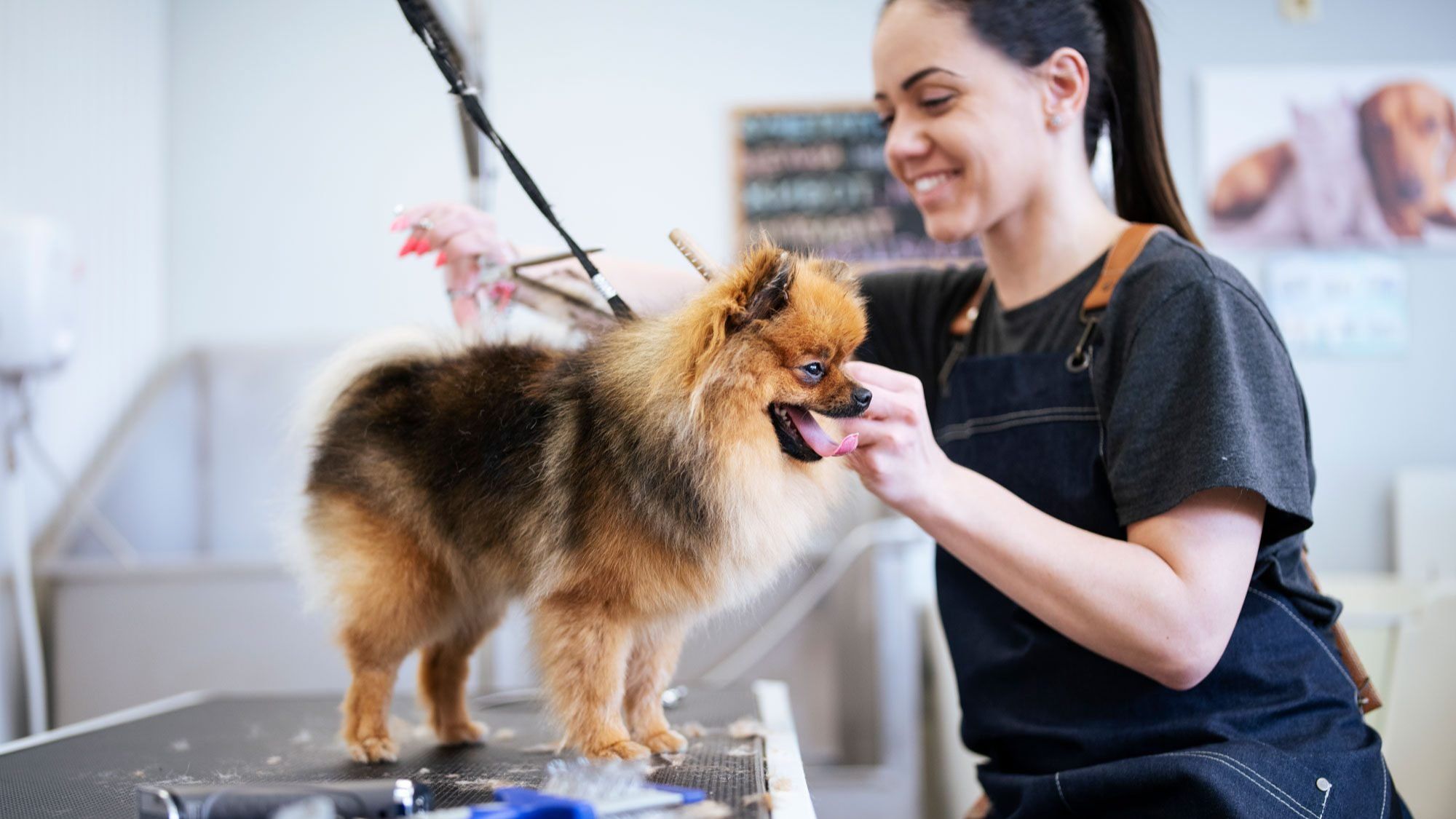

Professional London dog groomer styling a Cockapoo in a clean salon environment with professional grooming tools

01

Why Pet Groomers Need a Website Beyond Facebook and Treatwell

Facebook business pages and Treatwell profiles generate some visibility, but they create structural dependency on platforms that control your relationship with your clients, show competitor listings in the same interface, and take a commission on every booking. A pet groomer's own website builds an audience that belongs entirely to the business: clients who book directly, subscribe to appointment reminders, and return based on a relationship with the groomer rather than with the platform. In London's dense pet ownership market — the average Inner London postcode has above-average pet ownership driven by the compact living demographic that turns to pets as companion animals in lieu of gardens — a grooming business with a professional website ranks for the specific searches that high-value clients use: 'Doodle groomer East London', 'cat grooming North London', 'hand-strip terrier specialist Islington'. These clients are not price-shopping; they are searching for competence and trust, and a website is where that trust is established before first contact.

02

Breed-Specific Service Pages

The most effective SEO architecture for a pet grooming website is breed-specific service pages, not a single generic 'dog grooming' page. Dog owners search for groomers by breed — 'Cockapoo groom London', 'Labradoodle grooming SE1', 'hand-strip Wire Fox Terrier London' — because different breeds require entirely different grooming techniques, tools, and coat knowledge. A Cockapoo grooming page should explain the specific considerations for doodle coats (the risk of matting, the difference between puppy and adult coats, the importance of regular brushing between appointments), the typical groom duration (two to three hours for a full groom versus 45 minutes for a bath and brush), and what to expect at different life stages. A hand-strip terrier page — covering Wire-haired Fox Terriers, Welsh Terriers, Airedales, and Border Terriers — communicates the specialist skill that distinguishes breed-correct hand-stripping from clipper cuts that damage the coat texture. Each breed page targets a specific, lower-competition search term and attracts clients who already understand their dog's specific grooming needs, making them higher-value and longer-retention clients.

03

Before-and-After Gallery and Portfolio

Pet grooming is a visual service — a prospective client's primary concern is whether the groomer can produce the finish they want for their specific dog. A before-and-after gallery that shows the actual groom transformation (same angle, same lighting) provides the most direct evidence of skill that a grooming website can offer. Each gallery entry should identify the breed, approximate age, the groom style requested, and the finishing detail (scissored or clippered, breed standard or owner preference). Coat condition before the groom — matting, uneven previous groom, coat damage — shown honestly alongside the finished result demonstrates not just skill but the ability to handle difficult coats. For London groomers serving specific breeds or styles (Portuguese Water Dog style grooming, show-trim Poodles, puppy first grooms), the gallery is the differentiating proof that no competitor without a comparable portfolio can match. Mobile gallery display is critical — the majority of pet grooming research happens on smartphones, and images that do not load quickly or crop poorly on small screens lose the conversion before it starts.

04

Online Booking and Appointment Management

The appointment booking experience is the primary friction point in pet grooming conversion. A client who discovers a groomer's website at 9pm on a Sunday evening — when they have noticed their Cavapoo's coat is beginning to mat — wants to book an appointment immediately, not submit a contact form and wait two days for a response. Online booking systems appropriate for pet services — Timely, Acuity Scheduling, or sector-specific tools like MoeGo or PetExec — show real-time availability, allow clients to specify breed, coat length, and groom style, collect the vaccination information required for salon entry, and send automated appointment reminders that reduce no-shows. The booking system should be embedded on the website — not linked to a third-party booking portal — and should work seamlessly on mobile. A waiting list feature for popular time slots (Saturday mornings, school holiday weeks) maintains client relationships when the appointment book is full and creates a database for last-minute cancellation fill. The business that offers online booking converts website visitors at two to three times the rate of one that requires a phone call or email.

05

Trust Signals and Groomer Credentials

Pet owners in London entrust their dogs to a groomer for three to five hours, often without being present — the trust threshold is high, and first-time clients need reassurance before booking. City & Guilds Level 3 in Dog Grooming, iPET Network qualifications, or British Dog Groomers Association membership signal professional training that distinguishes qualified groomers from those who learned by practice alone. Canine First Aid certification is a meaningful differentiator — a groomer who can respond correctly to a dog experiencing a health event during grooming is materially safer than one without training. The grooming premises should display hygiene credentials where applicable: a statement about cleaning and disinfection protocols between dogs, separate kennel areas for dogs waiting between wash and dry, and ventilation standards. For grooms involving sedation or veterinary procedure (usually handled through a separate veterinary relationship for medically compromised dogs), a clear statement of the groomer's protocol and veterinary liaison. These signals should appear on the about page and the FAQ section — precisely where clients look before booking a service that involves handing over an animal they love.

06

Borough Pages for Local Grooming Search Capture

Pet owners search for groomers within walking or short driving distance — a grooming appointment typically requires the owner to drop off and collect, making proximity a primary filter. Borough-specific pages targeting 'dog groomer Hackney', 'pet groomer Clapham', 'dog grooming salon Islington' capture the local intent searches that are the most commercially relevant for a single-location or mobile grooming operation. Each borough page should confirm the salon's location relative to that area with a map and transport information, highlight any specific breed expertise particularly relevant to the local demographic (Hackney has a notably high concentration of Doodle breeds driven by the young professional demographic), and include two or three reviews from pet owners in that specific area. For mobile groomers who travel to clients, a borough page for each operational area serves the same purpose: it confirms coverage, specifies the service, and ranks for the local search. The Google Business Profile listing reinforces borough pages: consistent NAP and category (Pet Groomer) across the GBP and website improves local pack ranking for all relevant boroughs.

07

Cat Grooming and Small Animal Services

Most London pet grooming websites focus exclusively on dogs, leaving the cat grooming market significantly underserved in SEO terms. Cat grooming searches — 'cat groomer London', 'Persian cat grooming', 'Maine Coon deshedding London' — have meaningful search volume and very few specialist competitors compared to the dog grooming market. A cat grooming page requires different content from a dog grooming page: most cats are significantly more stressed by the grooming environment than dogs, so the page should explain handling techniques (low-stress handling, minimal restraint, feline-specific grooming tools), the typical groom duration for different coat types (short-haired maintenance versus Persian full groom), and why cat grooming requires different skills from dog grooming. For groomers who also handle rabbits, guinea pigs, or other small animals, a dedicated small animal grooming page captures a niche audience with minimal competition. A clear pricing structure for cat grooming — displayed openly rather than 'price on application' — removes the enquiry friction that prevents price-sensitive cat owners from committing to a first appointment.

WS

Written by

Web Design Studio London

A specialist web design and digital studio based in Covent Garden, London. We build conversion-focused websites, ecommerce stores, and web applications for London businesses — combining strategy, design, and Next.js development in-house.

Related services

Turn the research into a page.

These commercial pages connect the guide to enquiry-focused services, which supports topical depth and conversion.