WDSL

London web design guide

Web Design for Osteopaths in London

London osteopaths compete for patients who search 'osteopath near me', 'back pain specialist London', or 'osteopath [borough]' — and the practice whose website appears first, loads fast, and communicates GOC registration, condition expertise, and online booking converts those searches into booked appointments. A well-structured osteopathy website with condition-specific pages, practitioner profiles, patient journey clarity, and local SEO fills an appointment book more consistently than Yell listings and word of mouth alone.

Ask for advice
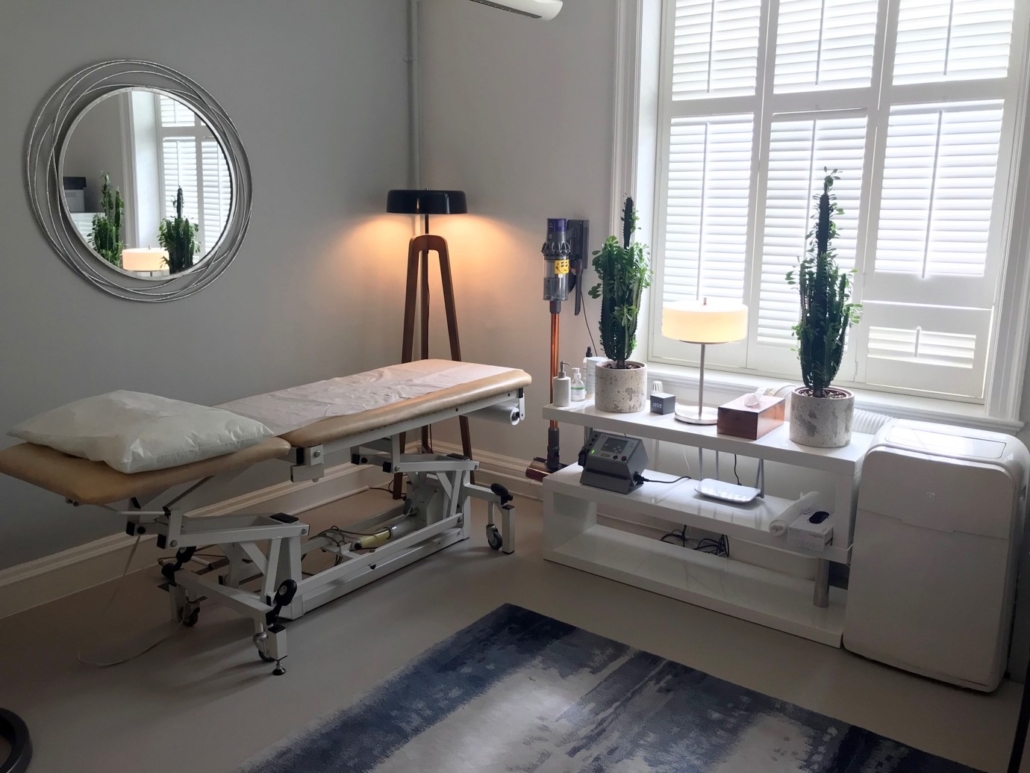

London osteopath treating a patient with spinal manipulation in a professional clinic setting

01

Condition-Specific Pages: The Core SEO Architecture

The most commercially valuable pages on an osteopathy website are not the homepage or the 'about' page — they are condition-specific treatment pages targeting the searches that patients make at the moment they decide to book. 'Back pain osteopath London', 'neck pain treatment Clapham', 'sciatica specialist South London', 'sports injury osteopath Islington', 'posture correction London' — these are high-intent, low-competition searches that a well-structured condition page can capture within three to six months of indexation. Each condition page should describe the condition clearly in plain language (without condescending to the reader), explain how osteopathy addresses it (the mechanism of treatment, not just a claim that it works), what a typical course of treatment looks like (number of sessions, frequency, expected progression), what the patient will experience in a session, and what outcomes are typical for that condition. The page should include a clear booking call-to-action and a brief practitioner bio establishing relevant experience or specialist training for that specific condition.

02

GOC Registration and Professional Credentials

Osteopathy is a regulated healthcare profession in the UK — all practising osteopaths must be registered with the General Osteopathic Council, and it is a criminal offence to claim to be an osteopath without registration. GOC registration is therefore the first trust signal a prospective patient looks for when evaluating an osteopathic practice. The GOC registration number should be displayed prominently on the homepage, the practitioner profile, and the contact page, with a direct link to the GOC register so patients can verify registration independently. Post-registration qualifications — BSc (Hons) Osteopathy, Masters in Osteopathic Practice, ICOM certificate in paediatric osteopathy, Certificate in Osteopathic Management of Performing Artists — should be listed on the practitioner bio with the awarding institution. Professional membership organisations (Institute of Osteopathy, British Osteopathic Association) demonstrate continued professional development and community engagement. For practices treating specific patient populations — paediatrics, pregnant women, elderly patients, sports performers — additional training and specialist membership signals are particularly important conversion drivers.

03

Online Booking Integration and Patient Journey

The appointment booking journey is the most commercially important functional element on an osteopathy website. A patient searching for a back pain specialist at 9pm on a Sunday — when they have had three days of pain and have finally decided to seek help — wants to book an appointment immediately, not send a contact form and wait for a call-back on Monday morning. Online booking systems integrated into the website — Cliniko, Jane App, or Fresha for healthcare practitioners — allow patients to see real availability, choose an appointment time, and receive immediate confirmation. The booking flow should be embedded on the website (not just a button linking to a third-party portal) and should be mobile-optimised, since the majority of evening appointment searches happen on smartphones. The patient journey page — or a 'what to expect' section on the homepage — should explain the new patient intake process: what information to prepare, what to wear, how long the first appointment takes (typically 60 minutes vs 45 minutes for follow-ups), and what happens immediately after. This removes the uncertainty that prevents first-time patients from booking.

04

Practitioner Profiles and Clinic Team Pages

Healthcare decisions are profoundly personal — patients are allowing a practitioner to put their hands on their body, often when they are in pain and vulnerable. The practitioner profile page is therefore among the most-visited pages on an osteopathy website, not a secondary information page. Each practitioner profile should include a professional photograph (natural, approachable, not stock-photography clinical), the full name and post-nominals, qualifications in full (institution and year), specialist areas and additional training, a brief personal statement explaining why they became an osteopath and what they find most rewarding about the work, and languages spoken where relevant. For group practices with multiple practitioners, each practitioner profile should be linked directly from the booking system so patients can choose which practitioner to book with, based on their profile. A patient who has read a practitioner's profile and chosen them specifically arrives at the first appointment already having established a level of trust — they know who they're seeing and why they chose that person.

05

Fees, Insurance, and Medico-Legal Transparency

Transparency about fees is both an ethical requirement and a conversion driver for osteopathic practices. The CMA (Competition and Markets Authority) guidelines on pricing transparency in healthcare apply to osteopathic practices and require that standard prices are clearly accessible before a patient commits to treatment. A fees page should display the initial consultation fee, the follow-up appointment fee, any package pricing (course of 6 sessions at a reduced rate), and the payment methods accepted. For practices accepting private health insurance — Bupa, AXA Health, Vitality, Cigna, Aviva — the insurer names and how the direct billing process works should be explained clearly, since a significant proportion of patients in South Kensington, Canary Wharf, and the City areas will have corporate health insurance that covers osteopathy. Medico-legal work — expert witness reports for personal injury cases, whiplash assessments, workplace injury assessments — represents a secondary revenue stream that should have a dedicated page targeting 'medico-legal osteopath London' or 'osteopathic expert witness London'.

06

Borough and Neighbourhood Pages for Local Search Capture

'Osteopath near me' and 'osteopath [borough]' searches are the highest-converting local intent queries in the osteopathy market. A practice in Wandsworth should have optimised pages for 'osteopath Wandsworth SW18', 'osteopath Putney SW15', and 'osteopath Clapham SW4' — the surrounding residential catchment area within a 20-minute walk or drive. Each borough page should confirm the practice's location relative to that area (with a map embed and transport information), list the conditions treated at that location, highlight any practitioners with specific expertise relevant to the local demographic (a Wandsworth page might emphasise the sports injury and post-natal care that is highly relevant to the young professional and family demographic of SW18), and include two or three testimonials from patients in that specific area. The Google Business Profile listing reinforces these pages: the GBP shows in the local map pack for '[borough] osteopath' searches, and consistent NAP (name, address, phone) across the website and GBP improves the map pack ranking for all relevant local terms.

07

Patient Reviews and Trust-Building Content

Google Reviews are the primary social proof mechanism for osteopathic practices in London — a practice with 4.9 stars from 80+ reviews ranked in the local map pack converts at three to four times the rate of a practice with 20 reviews and no clear star rating. The website should display Google Reviews prominently — either via an embedded widget or as manually displayed review cards — with enough visible reviews to demonstrate consistent quality over time. Reviews mentioning specific conditions ('fixed my sciatica after three sessions, couldn't believe the difference') and specific practitioners ('James was thorough, clear, and genuinely caring') convert more effectively than generic positive sentiment. Review acquisition should be systematic: a text message sent to each patient the evening after their appointment with a direct link to the Google review form achieves 20-30% review completion rates, compared to less than 5% for verbal requests alone. Blog content on osteopathy — articles addressing common patient questions ('how many sessions will I need?', 'can osteopathy help during pregnancy?', 'what is the difference between osteopathy and physiotherapy?') — builds topical authority that improves ranking for all condition and treatment searches on the site.

WS

Written by

Web Design Studio London

A specialist web design and digital studio based in Covent Garden, London. We build conversion-focused websites, ecommerce stores, and web applications for London businesses — combining strategy, design, and Next.js development in-house.

Related services

Turn the research into a page.

These commercial pages connect the guide to enquiry-focused services, which supports topical depth and conversion.