WDSL

London web design guide

Web Design for Opticians London

Independent London opticians compete against Specsavers, Vision Express and online eyewear retailers on a daily basis. They win by doing things the multiples cannot: genuinely personal care, specialist clinical services, curated designer frame collections and the kind of expert advice that takes forty minutes rather than fifteen. Your website needs to communicate these advantages clearly — and get enough visibility in local search results that people looking for an optician in your area find you before they find the nearest chain.

Ask for advice
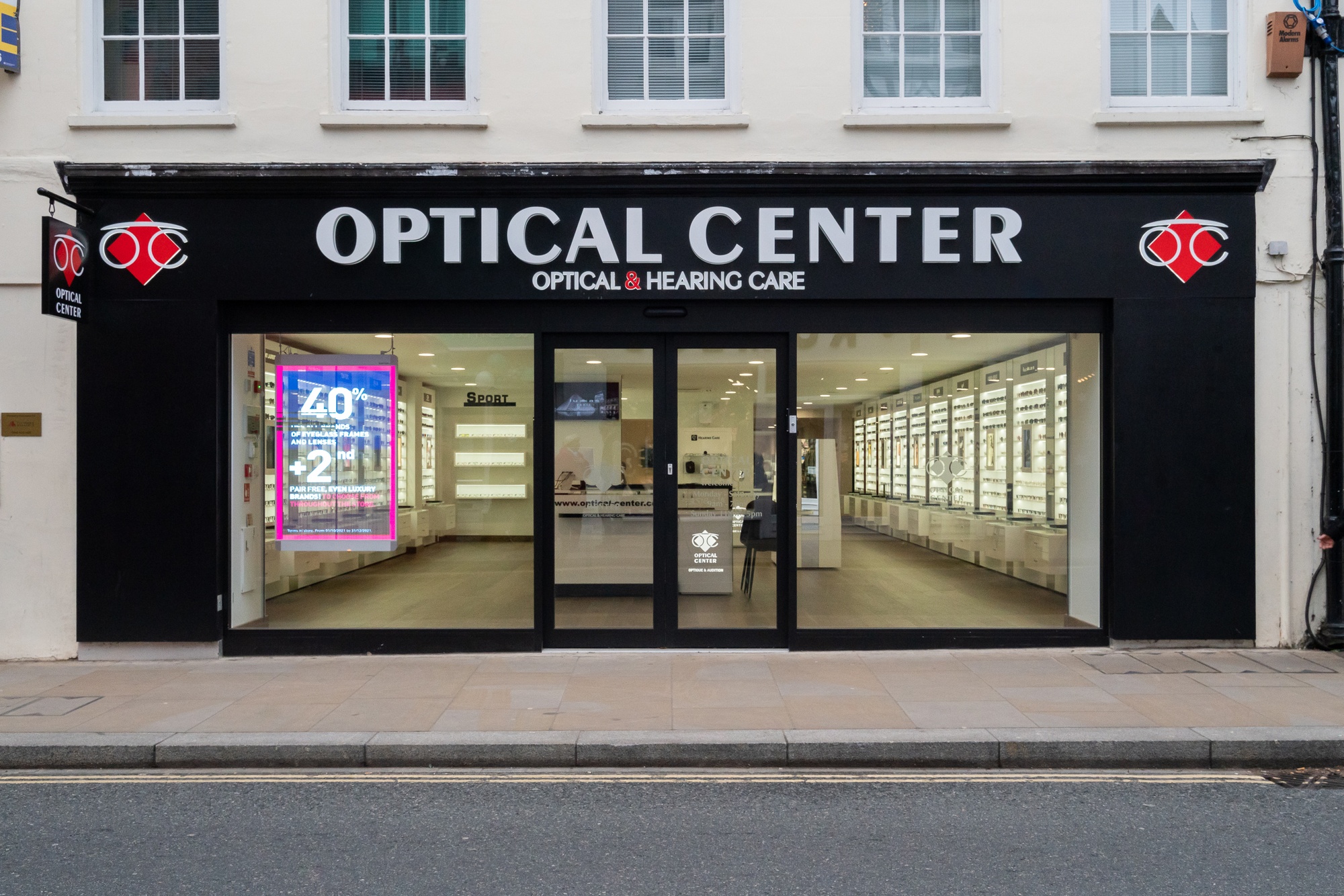

Independent optician boutique in London with designer eyewear frames displayed in a modern clinical retail setting

01

Specialist Clinical Services That Differentiate from Chains

The most effective way for an independent optician to differentiate from the multiple chains is through specialist clinical services that the chains either do not offer or do not promote. Myopia management — using specialist contact lenses, atropine drops or orthokeratology to slow the progression of short-sightedness in children — is a rapidly growing clinical area with significant organic search demand and almost no presence from the major chains. Dry eye clinics, behavioural optometry, low vision assessments, specialist contact lens fitting (orthokeratology, scleral lenses, keratoconus fitting), paediatric optometry, pre- and post-surgical care — each of these represents a clinical specialism that commands premium fees, attracts motivated patients who research extensively before choosing a provider, and is very poorly served by the online search landscape. Dedicated pages for each specialist service rank for high-intent searches and attract patients who will become long-term, high-value clients.

02

Eyewear Collection Showcase and Designer Brand Pages

For independent opticians who stock designer or independent eyewear brands, the frame collection is a significant competitive advantage and conversion driver. Curated collections from brands not available in optical chains — Lindberg, Oliver Peoples, Mykita, Cartier, Cutler and Gross, Tom Davies bespoke — attract clients who are specifically seeking these frames and cannot find them locally elsewhere. A collection showcase that is browsable by brand, style (acetate, metal, titanium), shape (round, square, cat-eye, aviator) and price range gives online browsers the discovery experience that drives in-practice visits. Individual brand pages that explain the brand's provenance, design philosophy and materials, alongside selected frame photography, convert serious eyewear collectors who are evaluating multiple stockists. High-quality frame photography in natural and studio lighting conditions is the most important technical investment for the eyewear section of any optician website.

03

Online Appointment Booking and Patient Journey

Most optical chains now offer online appointment booking, and independent opticians who do not are at a conversion disadvantage. A booking system that shows real availability for sight tests, contact lens appointments, dry eye assessments and frame consultations — with different appointment types at their correct durations — gives patients the convenience they expect and removes the friction of phone booking during practice hours. For practices offering extended or premium sight tests, explaining the difference between a standard NHS test and a comprehensive private examination — the additional tests included, the time allocated, the clinical detail of the reporting — justifies the fee and converts patients who are looking for better-quality care rather than the cheapest available sight test. A patient journey page describing what to expect at each type of appointment reduces first-visit anxiety and improves attendance rates.

04

GOC Registration and Clinical Credentials

The General Optical Council (GOC) registers all qualified optometrists and dispensing opticians in the UK, and displaying GOC registration numbers on your website is both a legal requirement in marketing materials and a trust signal for prospective patients. Beyond the GOC baseline, additional clinical credentials — College of Optometrists fellowship or specialist membership, Association of British Dispensing Opticians (ABDO) membership, British Contact Lens Association (BCLA) membership, specialist diabetic eye screening accreditation — signal genuine clinical depth to patients who are choosing between practices on the basis of expertise rather than proximity. For practices with multiple optometrists, individual practitioner pages with their clinical backgrounds, specialist areas and personal approaches to patient care build the personal connection that often determines which optician a patient books with.

05

Home Delivery, Online Reordering and Lens Subscriptions

The fastest-growing revenue stream for many independent opticians is online reordering of contact lenses and spectacles, competing with the online pure-plays on convenience while maintaining the clinical relationship that justifies the premium. A contact lens reordering page — where existing patients can reorder their usual prescription with home delivery — retains patients who might otherwise drift to online retailers between appointments. Spectacle lens subscription services, where patients pay a monthly fee for annual lens replacements and eye tests, create predictable recurring revenue and improve patient retention. For high-prescription patients who need lenses ordered from specialist labs, explaining your lens sourcing and manufacturing relationships signals capabilities beyond what the multiples offer. These digital service extensions are worth pages on your website because they serve existing patients and rank for reordering-related searches.

06

Patient Testimonials and Google Review Management

Eye care is a health service, and the testimonials that convert prospective patients are those that address health outcomes as well as service quality. 'I had been told by two previous opticians that my dry eye couldn't be treated. After three months with the dry eye clinic at [practice name], my symptoms have improved by about eighty percent' is a categorically different testimonial from 'good service, nice frames, would recommend.' Condition-specific testimonials placed on the relevant service page — dry eye testimonials on the dry eye clinic page, myopia management testimonials on the myopia management page — provide the exact social proof that converts patients who are researching that specific service. Google review management — actively requesting reviews after positive appointments using an automated follow-up message — is the most efficient way to build the review volume that improves local search visibility.

07

Local SEO for Independent London Opticians

Most eye care decisions begin with a local search — patients want a practice they can walk to, park near or reach easily by public transport. 'Optician near me', 'optician [borough name]', 'independent optician London', 'eye test [area]' — these searches bring in high-intent patients who are ready to book. A well-optimised Google Business Profile — verified with correct NAP information, comprehensive service listings, current photos of the practice interior and frame collection, regular posts and prompt review responses — is as important as your website for local visibility. For practices with a distinctive specialism (a dry eye clinic, a children's vision centre, a luxury eyewear boutique), ensuring your Google Business Profile category, attributes and description reflect this specialism improves relevance for searches that are specifically looking for what you offer, rather than the nearest optician by default.

Related services

Turn the research into a page.

These commercial pages connect the guide to enquiry-focused services, which supports topical depth and conversion.