WDSL

London web design guide

Web Design for Landscapers London

London homeowners investing in garden landscaping are making a significant financial and aesthetic commitment. Before they invite anyone to quote, they spend time looking at completed work — assessing whether your style matches their vision and whether your previous projects demonstrate the capability to handle their garden's specific challenges. The landscapers who consistently win the best projects are the ones whose websites make this assessment as easy and compelling as possible.

Ask for advice
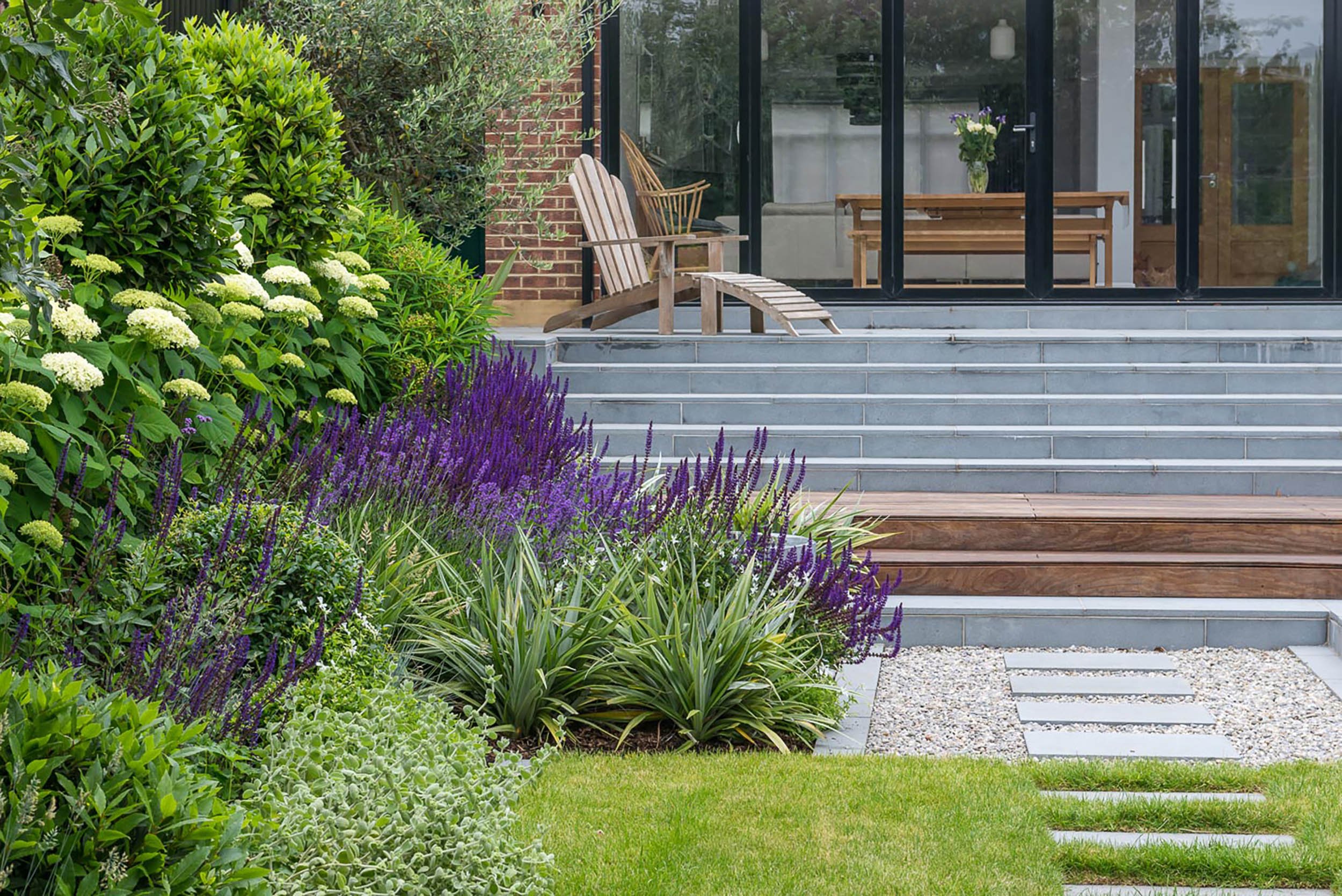

London landscaper's completed contemporary garden design featuring structured planting and natural stone paving

01

Project Portfolio: Before, During and After

The project portfolio is the most important section of any landscaping website, and the most common mistake is showing only finished gardens without the context that makes the work meaningful. Before-and-after sequences — showing the garden as it was when you took it on, key stages of the construction process and the completed result — demonstrate transformation and justify your value far more effectively than finished photography alone. Each project entry should describe the brief: what the client needed, what the specific challenges were (poor drainage, awkward levels, limited sunlight, a desire for privacy from neighbours) and what design and construction decisions you made in response. This narrative context shows prospective clients not just that you can build a beautiful garden, but that you listen to what clients need and solve the specific problems their garden presents.

02

Service Pages for Each Landscaping Discipline

Landscaping encompasses a wide range of distinct services, and clients searching for specific work use specific terms. A page for hard landscaping — patios, paths, driveways, walls and steps — addresses the client who is starting with structural work. A page for soft landscaping and planting design — lawns, borders, trees, shrubs, seasonal planting schemes — addresses the client whose structure is in place but whose garden needs planting. A page for decking and outdoor structures, a page for water features and ponds, a page for artificial grass and low-maintenance gardens, a page for garden maintenance and gardening services — each targets a different audience and ranks for different search terms. For landscapers who also offer garden design as a separate service — concept design, planting plans, 3D visualisation — a dedicated design service page positions this premium offering clearly.

03

Qualifications, Accreditations and Professional Membership

The landscaping industry has a range of professional bodies and accreditation schemes that signal quality to prospective clients. The British Association of Landscape Industries (BALI) registered contractor status is the most widely recognised quality mark in the residential landscaping sector and should be prominently displayed with the BALI logo. The Landscape Institute (LI) membership is relevant for practices with qualified landscape architects on the team. For tree work, ARBORICULTURAL ASSOCIATION membership is appropriate. For paving and driveways, NVQ or City and Guilds qualifications in paving or groundworks. Public liability insurance — at the right coverage level for your project sizes — and employer's liability insurance should be displayed with coverage amounts. These credentials reassure prospective clients who have been let down by unqualified tradespeople and justify premium pricing.

04

Design Process and Client Collaboration

Many homeowners commissioning significant garden work have never worked with a professional landscaper or garden designer before and are uncertain what the process involves. A page describing your design and build process — initial site visit and brief-taking, design proposal with drawings or 3D visualisations, plant and material selection with client input, phased build programme, handover and aftercare — demystifies the engagement and builds confidence. For clients who are choosing between a landscaping contractor (who builds to a design) and a design-and-build practice (who both designs and builds), explaining where your offering sits and the advantages of each approach is worth including. Clients who understand how you work are more likely to engage and less likely to experience misaligned expectations during the project.

05

Client Testimonials by Garden Type and Borough

Landscaping testimonials are most effective when they reference the specific challenges of the project and the outcome for the client's daily use of the garden. 'We had a sloping, poorly drained back garden that was unusable for our children. The team transformed it into a level lawn with a patio and planting that we use every weekend in summer' is far more persuasive than 'great work, arrived on time.' Testimonials that reference the client's borough — 'our garden in Stoke Newington', 'the project in Richmond' — serve a dual purpose: they rank for borough-specific searches when indexed by Google and they signal to prospective clients in the same area that you know local conditions, local planning requirements and local suppliers. A portfolio section organised by London borough, or a service area page listing every borough you work in, strengthens both conversion and local SEO.

06

Blog and Seasonal Content for Long-Term SEO

Gardening and landscaping generate significant search volume year-round, tied to seasonal cycles and specific gardening questions. Blog content that targets these searches — 'how to create a low-maintenance garden in London', 'best plants for a north-facing London garden', 'how to level a sloping garden', 'small garden ideas for terraced houses', 'how to choose a landscaper' — brings in organic traffic from homeowners in the research and planning phase who are months away from commissioning work but building familiarity with your practice. Seasonal content — spring planting ideas, summer maintenance guides, autumn preparation, winter garden interest — keeps your blog fresh and gives Google a reason to crawl your site regularly. For practices with a distinctive design aesthetic, content explaining your approach — 'why we design with wildlife in mind', 'our approach to sustainable planting' — builds brand differentiation alongside organic visibility.

07

Local SEO for London Landscapers

Landscaping is a locally delivered service, and most clients prefer a landscaper with demonstrable experience in their area — knowledge of local soil conditions, local planning requirements for structures (which vary by London borough), local plant nurseries and local contractors for specialist work. Borough-specific searches — 'landscaper Islington', 'garden designer Richmond', 'patio installation Wandsworth' — bring in clients who have already qualified by location. Your Google Business Profile should be verified with your coverage areas, regularly updated with project photos from recently completed gardens and actively maintained with review responses. For landscapers covering specific clusters of London boroughs, dedicated pages describing your work in each cluster — with relevant project examples — strengthen local authority signals and differentiate you from national contractors who have no genuine local presence.

Related services

Turn the research into a page.

These commercial pages connect the guide to enquiry-focused services, which supports topical depth and conversion.