WDSL

London web design guide

Web Design for Hairdressers and Hair Salons in London

London has more hair salons than almost any city in Europe, and most of them have the same problem: a decent Instagram following but a website that cannot convert a visitor into a booking. The client searching 'balayage London' or 'hairdresser Shoreditch' has already decided they want the service — your website just needs to show them the work and make booking easy.

Ask for advice
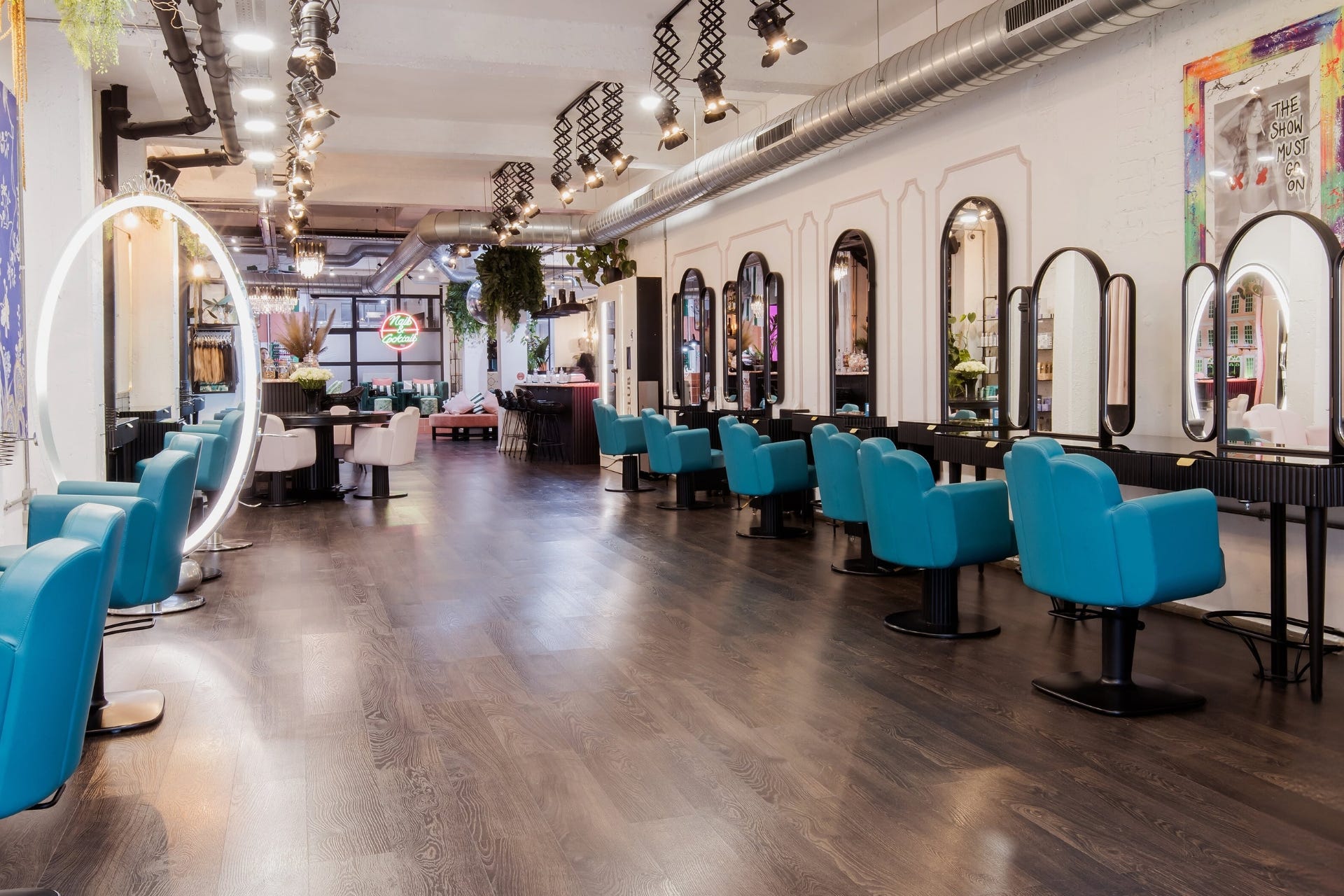

London hairdresser styling a client's hair in a modern professional hair salon

01

Why London Hair Salon Websites Often Lose Clients They Should Convert

The most common failure on hair salon websites is the gap between what the salon shows on Instagram and what it shows on its website. A salon with hundreds of beautiful before/after photos on social media but a website with no portfolio, vague service descriptions and a booking process that requires phoning during opening hours loses clients who found them outside those hours. The second most common failure is the absence of any pricing information — not exact prices, but at least ranges and an explanation of what affects the price. Clients who cannot get a sense of whether a salon is in their budget before making contact often do not make contact at all.

02

Online Booking Integration: How to Choose and Implement It

Fresha, Booksy and Treatwell are the dominant booking platforms for London hair salons, each with embeddable booking widgets that can sit directly within your website. Fresha charges no booking fee to the salon (revenue model is through optional marketing tools and card-on-file). Booksy and Treatwell charge a commission on bookings made through their platform but offer additional marketing reach. The critical point is that the booking journey should start on your website, not redirect clients to a third-party platform listing — once a client is on a platform listing, they can see and book your competitors. A native booking integration keeps the client journey inside your brand. The booking CTA should be visible without scrolling on mobile, which is where the majority of salon bookings originate.

03

Stylist Portfolio Pages That Win New Clients

A portfolio gallery organised by technique — balayage, colour correction, extensions, bridal, textured hair, short cuts — rather than by date or stylist performs significantly better for SEO and for conversion. A client searching for 'balayage hairdresser London' who lands on a gallery showing only balayage examples, before/after comparisons with a brief description of the technique and time involved, and a direct 'Book a balayage consultation' CTA has everything they need to decide and act immediately. Individual stylist pages with their specialisms, experience, social media handles and a portfolio filtered to their work also perform well — clients often book a specific stylist rather than a salon, and a stylist page can rank individually for their name.

04

Service Menus With Pricing That Convert Browsers Into Bookings

A service menu listing treatments with clear descriptions, duration and price ranges — even if the exact price depends on hair length and condition — removes the biggest friction point for clients who would otherwise email to ask. 'Balayage from £120, consultation required, approximately 3-4 hours including toning and blowdry' tells a client everything they need to plan and budget. Salons that publish clear pricing consistently report a higher quality of incoming bookings — fewer no-shows, fewer clients who are surprised by the final price, and fewer enquiries that go nowhere because the client could not get a price. The service menu should be structured by category (colour, cut and blowdry, treatments, bridal), not in a flat alphabetical list.

05

Local SEO for London Hair Salons

London clients searching for a hairdresser typically search within their neighbourhood or commuting route — 'hairdresser Shoreditch', 'hair salon Clapham', 'balayage specialist East London'. A Google Business Profile optimised with photos of your salon interior and work, your full service list, accurate hours and a stream of recent reviews is the most direct path to appearing in local pack results for these searches. On your website, neighbourhood-specific content — mentioning the area, local landmarks and transport links on your about and contact pages — reinforces the local signal. For salons with multiple locations, each location should have a distinct page with local-specific content.

06

Instagram and Social Integration for Salon Websites

A live Instagram feed embedded in your website ensures that clients see your most recent work without the website requiring manual updates. The feed should appear on your homepage and portfolio pages, and every post should link to the relevant service booking page where possible. Your website's portfolio images should be distinct from your social posts — use your best professional photography on the website and save the in-progress shots and candid studio moments for social. The two channels complement each other: social builds the relationship and familiarity, the website converts that familiarity into a booking. Instagram links in your website header or footer allow clients who found you via Google to follow your social account, building a longer-term audience relationship.

07

How We Build Hair Salon Websites in London

We build hair salon websites around the portfolio, the booking integration and local SEO — the three things that consistently convert new clients. The design reflects the visual identity of the salon: clean and editorial for high-end colour specialists, warm and welcoming for neighbourhood salons, bold and fashion-forward for creative studios. We handle the booking platform integration, portfolio structure, service menu copywriting, Google Business Profile optimisation and technical SEO. Most hair salon projects complete in three to four weeks. Contact us to discuss your services, your target clients and the booking platform you currently use or want to migrate to.

Related services

Turn the research into a page.

These commercial pages connect the guide to enquiry-focused services, which supports topical depth and conversion.