WDSL

London web design guide

Web Design for Event Planners London

Event planning is a portfolio business. Prospective clients — HR directors booking an annual conference, couples planning a wedding, brand teams commissioning a product launch activation — arrive on your website already committed to running an event and looking for a planner whose work demonstrates they can deliver it. The event planning websites that win the best briefs are the ones that present portfolio evidence at the highest standard, communicate the creative and logistical range of the practice, and make submitting a brief feel like the obvious next step.

Ask for advice
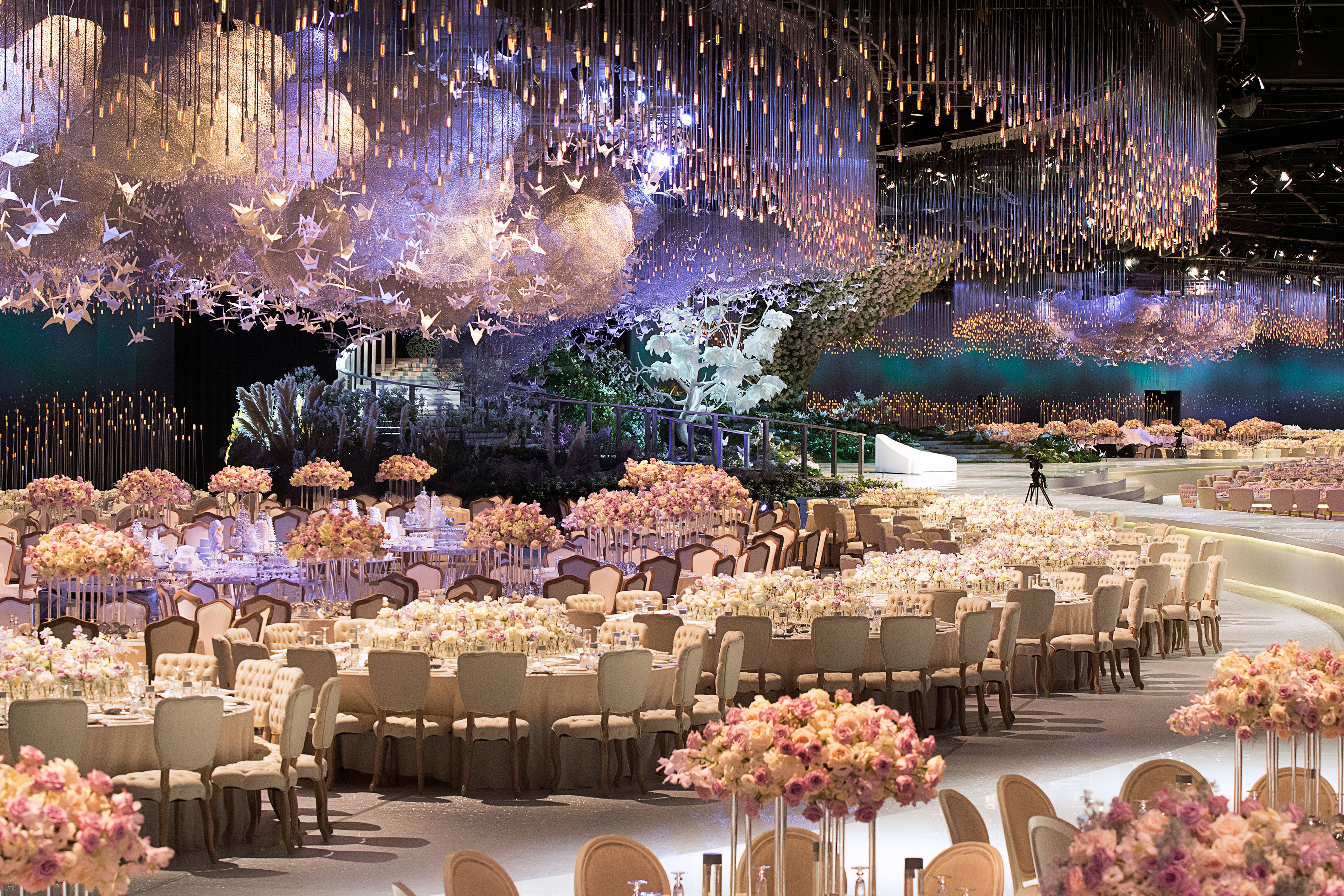

London luxury event planner coordinating an elegant corporate gala dinner with floral decorations and ambient lighting

01

Portfolio Presentation by Event Type

The most important structural decision on an event planner's website is how to organise the portfolio. Events are so varied — in scale, style, format and client type — that a single undifferentiated gallery fails to help any prospective client find relevant evidence for their specific event. Organising your portfolio by event type — corporate events, weddings, galas and dinners, product launches, brand activations, private parties, conferences — allows each prospective client to quickly find work that mirrors their own brief. Each event entry should include the event type, guest count, venue and a brief description of the creative concept and logistical challenge, alongside photography. The depth of the event description signals the sophistication of your thinking — clients commissioning significant events are not just looking for impressive photographs, they are looking for evidence of how you think.

02

Service Range and Planning Process Pages

Event planning clients vary enormously in how much support they want — from clients who need full end-to-end event management from concept to breakdown, to clients who have a venue, a caterer and a concept but need a day-of coordinator to execute it. Your services page should describe each level of involvement you offer with clarity: what full event management includes, what partial planning covers, what day-of coordination involves and when each is appropriate. A page describing your planning process — from initial brief through concept development, supplier sourcing, logistics management and on-site execution — builds confidence in prospective clients who are not sure how the relationship works and want to understand what they are buying. Transparency about your process is a competitive differentiator in a market where many event companies present a polished portfolio but no explanation of how they work.

03

Corporate Event Clients and Annual Contract Positioning

Corporate event clients — HR teams, marketing departments, PA teams managing director entertainment, conference organisers — have fundamentally different needs from wedding or private event clients. They are typically working to company procurement processes, require invoicing that meets finance requirements, may need multiple events planned across a year rather than a single one-off, and are accountable internally for the success of events they commission. A dedicated corporate events page that addresses these specific considerations — your experience working with corporate procurement, your approach to budget management and sign-off processes, your flexibility across different event formats and scale, your track record with companies in relevant sectors — converts corporate decision-makers more effectively than a portfolio that mixes corporate and personal events without distinguishing between them. Corporate event contracts represent higher lifetime value and are worth positioning for explicitly.

04

Wedding Planning and the Bridal Audience

Wedding planning clients are making one of the most emotionally significant purchases of their lives and are typically spending considerable time researching before making contact with any planner. Your wedding portfolio needs to show a range of venues, styles and scales — from intimate celebrations to large multi-day events — and your website needs to speak to the specific anxieties and aspirations of couples planning a wedding. A dedicated page addressing the most common questions — how far in advance should you book a wedding planner, what does a wedding planner actually do that a venue coordinator does not, how much does wedding planning cost — reduces the uncertainty that prevents prospective clients from making contact. Testimonials from real couples describing their experience of the planning process — the communication, the management of stressful moments, the wedding day itself — are the most powerful conversion tool on a wedding planning website.

05

Supplier Relationships and Venue Partnerships

One of the most compelling things an experienced event planner can demonstrate on their website is their relationships with London's best suppliers and venues. A curated list of preferred caterers, florists, lighting designers, AV companies, photographers, bands and entertainment acts — with brief descriptions of why you work with each — signals that you have already done the hard work of finding and vetting the best people. Preferred supplier or approved planning partner status at London venues — hotels, historic houses, arts spaces, dedicated event venues — tells prospective clients that you know these spaces from the inside and that the venue's team knows and trusts you. These relationships are a genuine value-add that clients cannot easily replicate by sourcing suppliers themselves, and displaying them clearly on your website turns them from background capability into a front-line selling point.

06

Awards, Press and Industry Recognition

Event planning awards carry significant weight with prospective clients who are comparing agencies they have not worked with before. UK Event Awards, VIBE Awards, Conference and Hospitality Show Awards, Eventex Awards — displaying shortlist and winning entries with photography and award logos builds immediate credibility. Press coverage in Vogue Brides, You and Your Wedding, Event Magazine, Conference News, Square Meal or Time Out London signals that other informed observers have recognised the quality of your work. For wedding planners, Real Weddings features — where a complete wedding is published with full photography and supplier credits — are among the most valuable pieces of content you can generate. They are directly indexed by Google, frequently searched by prospective couples and provide permanent evidence of a real event delivered at the highest standard.

07

Online Brief Submission and Enquiry Management

Event planners who make it easy to submit an initial brief convert significantly more website visitors than those with a generic contact form. An online brief form that asks for event type, date, guest numbers, venue status (confirmed or still searching), budget range and a brief description of what the client is hoping to create gives you enough information to respond with genuine relevance — and gives the prospective client the feeling that you are already thinking about their event. For wedding planning specifically, a dedicated wedding enquiry form that also asks about the couple's wedding style, any non-negotiables and how they heard about you allows you to personalise your response and assess fit before investing time in a detailed proposal. An auto-acknowledgement that explains your typical response time and what happens next — a discovery call, a detailed proposal meeting — maintains momentum.

Related services

Turn the research into a page.

These commercial pages connect the guide to enquiry-focused services, which supports topical depth and conversion.