WDSL

London web design guide

Web Design for Driving Instructors London

Most London learner drivers find their instructor through a Google search rather than a personal recommendation. Your website is your primary business development tool, and most driving instructor websites underinvest in it — relying on a basic template with a phone number and a price. The instructors who build consistent waiting lists online are the ones whose websites clearly establish credentials, demonstrate local knowledge and make booking a first lesson as easy as possible.

Ask for advice

London driving instructor teaching a learner driver in a modern dual-control car on London streets

01

ADI Registration and DVSA Credentials

Your DVSA Approved Driving Instructor (ADI) registration is the single most important trust signal on your website. Display your ADI badge number and explain what ADI registration means — that you have passed the three-part ADI qualifying examination, that you are registered with the DVSA, that your teaching standard is inspected regularly and that you hold a clean DBS check. Many learner drivers — particularly younger ones — do not understand the difference between an ADI, a PDI (trainee with a pink badge) and an unqualified individual giving informal lessons. Explaining this distinction clearly positions you as the credible, compliant choice. If you hold a Grade A or Grade 6 instructor rating from a DVSA standards check, display this explicitly — it is a verified quality signal that very few instructors promote effectively.

02

Area Coverage and London Zone Pages

Learner drivers search for instructors in their specific area — not 'driving instructor London' as a generic term, but 'driving lessons Stoke Newington', 'driving instructor near Elephant and Castle', 'automatic driving lessons Wimbledon'. Your website should list every London area and postcode you cover, with a clear interactive or static map showing your zone. For instructors who cover a significant geographic area, dedicated pages or sections for each main zone you serve — explaining which test centres serve that area, what local roads and conditions pupils will encounter and how long lessons typically last in traffic — rank for area-specific searches and provide genuinely useful information for prospective learners. Test centre proximity is a meaningful factor for many learners, so listing the test centres where your pupils sit their tests and your pass rate at each is worth including.

03

Lesson Types and Intensive Course Packages

London learner drivers have different needs — some are complete beginners starting from scratch, others are returning drivers who need to rebuild confidence, others have a specific test date approaching and need intensive preparation. Your website should describe each lesson type you offer: standard weekly lessons for beginners, intensive crash courses covering the full syllabus in one to two weeks, refresher lessons for returning drivers, Pass Plus courses for newly qualified drivers, motorway lessons (London instructors rarely teach on motorways, making this a genuine differentiator for those who can), and automatic or manual options. Intensive course packages are often the highest-value offering on a driving instructor's website — explain exactly what an intensive course includes, how many hours per day, what the typical pass rate for intensive candidates is compared to weekly learners, and what happens if the pupil is not ready for their test by the planned date.

04

Pass Rates, Test Centre Performance and Statistics

Pass rate data is one of the most searched pieces of information for prospective driving lesson clients — and one of the least transparently shared by driving instructors. If your pass rate is above the local or national average, displaying it prominently on your website is a significant competitive advantage. If you have data by test centre, by lesson type (intensive vs weekly), or by pupil category (first-time test vs previous fail), even better. The national DVSA first-time pass rate averages around 48% — an instructor with a 65% or 75% pass rate has a concrete, verifiable differentiator worth promoting. For instructors who have been teaching for many years, cumulative statistics — total pupils passed, average lessons to test, test centre-specific performance — build confidence with prospective learners who are trying to assess whether a particular instructor is more likely to get them through their test.

05

Online Lesson Booking and Trial Lesson Offers

Driving instructor websites that allow learners to book their first lesson online — not just fill in a contact form and wait for a call — convert at significantly higher rates than those that require phone contact. Integration with a scheduling tool that shows available lesson slots, allows the learner to pick a convenient time, confirms the booking automatically and sends a reminder reduces the friction that causes prospective learners to book the first instructor who responds rather than the one whose website impressed them most. A first lesson offer — discounted first lesson, free assessment drive for returning drivers, combined theory and practical package at a reduced rate — lowers the commitment barrier for learners who are not yet sure they are ready to start.

06

Student Testimonials and Pass Celebrations

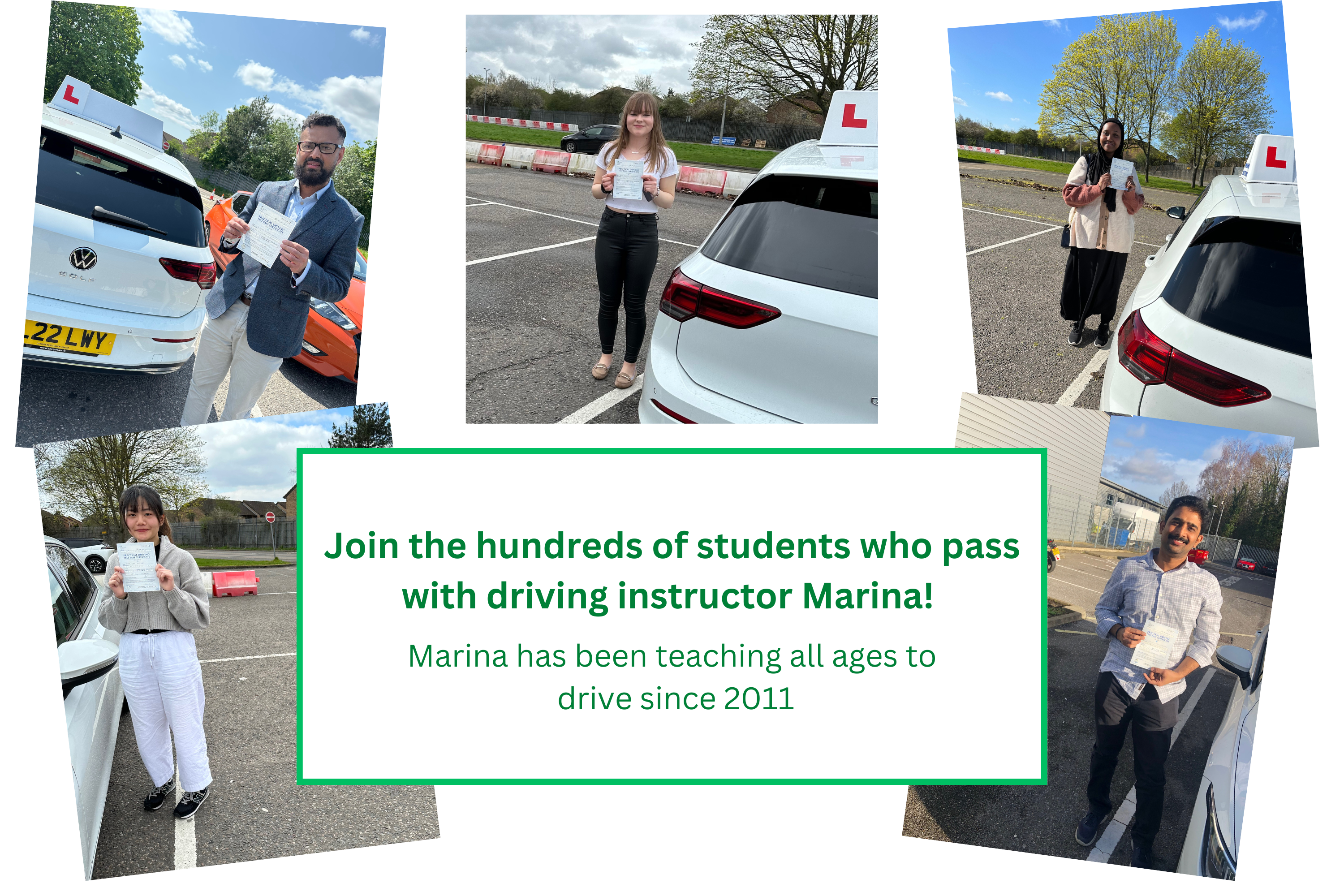
Nothing converts a prospective learner driver faster than seeing real recent pupils pass their test. A testimonials section that includes student names (or initials), the test centre where they passed, the number of lessons it took and a quote about their experience with you is highly effective. For instructors active on social media, sharing pass photos — with the pupil's permission — and embedding an Instagram or Facebook feed showing recent passes gives prospective learners real-time evidence that you are currently producing results. Testimonials that specifically mention the instructor's patience with nervous learners, their ability to help a pupil who previously failed with another instructor, or their effectiveness with specific test centres or routes address the specific anxieties that most learner drivers have before booking.

07

Local SEO for London Driving Instructors

Driving instruction is one of the most locally competitive service categories in London. Google Maps visibility is crucial — your Google Business Profile should be verified with your service areas (the postcodes and boroughs you cover), regularly updated with new pass photos and posts, and actively managed with responses to every review. Consistent NAP (name, address, phone) information across your website, Google Business Profile and any directory listings (The AA, The RAC, Yell, driving instructor directories) strengthens your local authority. For instructors who are sole traders without a fixed business address, using a service area business profile rather than a location pin on Google Maps is the correct approach — it still allows you to appear in local searches without publishing your home address. Regular new content on your website — pass photos, testimonials, blog posts about local test routes — signals to Google that your site is active and relevant.

Related services

Turn the research into a page.

These commercial pages connect the guide to enquiry-focused services, which supports topical depth and conversion.