WDSL

London web design guide

Web Design for Dog Walkers London

Dog owners in London choose a dog walker based almost entirely on trust. They are handing over the animal they love most and, in many cases, the keys to their home. The London dog walker websites that convert best are not necessarily the most elaborate — they are the ones that establish credibility fastest through clear insurance and DBS information, an honest personal introduction and genuine coverage of the local area. If your website builds that trust, the enquiry follows.

Ask for advice
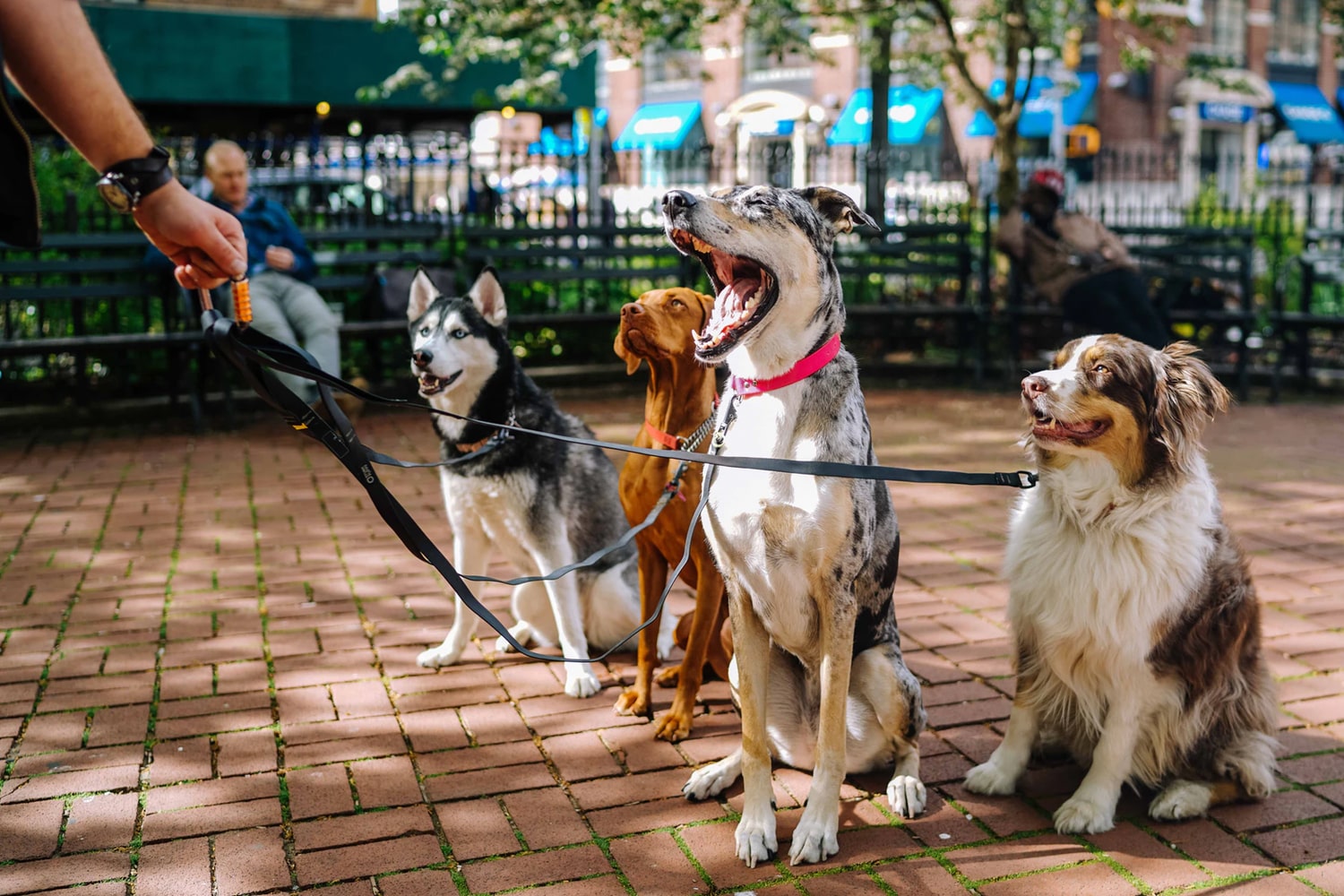

Professional dog walker in a London park walking a group of happy dogs on a sunny day

01

Insurance and DBS Certificates as Primary Trust Signals

Dog walkers who display their public liability insurance certificate, their DBS (Disclosure and Barring Service) check certificate, and their pet first aid qualification prominently on their website convert enquiries at dramatically higher rates than those who do not. These credentials should appear on your homepage above the fold — not buried in an about page. Display the actual certificate images (with personal details appropriately redacted), include the insurer name and coverage amount, and link to your DBS certificate if it is on the DBS update service so owners can verify it independently. Narpsuk membership, City and Guilds pet care qualifications, or IPG membership should also be displayed if you hold them. In a market where anyone can describe themselves as a dog walker, verifiable credentials are the fastest way to establish trust with anxious dog owners.

02

Service Pages for Every Offering

London dog walkers typically offer more than solo dog walks, and each service deserves its own page. Solo walks, group walks (with your maximum group size and how you manage groups), puppy visits, dog sitting in the client's home, overnight dog sitting, holiday boarding, training walks — each of these serves a different owner need and is searched for specifically. A first-time owner searching 'puppy visits during work day London' has a very different need to an owner searching 'overnight dog boarding London NW3'. Dedicated service pages explain exactly what each service includes, how it works, pricing and what the owner can expect — and they rank for the specific searches relevant to each service type. Transparent pricing, even if it is a 'from' price that varies by area or dog size, significantly improves conversion.

03

Service Area Coverage and Neighbourhood Pages

London dog walking is an inherently local business — you serve specific boroughs and neighbourhoods, and owners search for dog walkers in their specific area. Your website should clearly list every area you cover, ideally with a dedicated section or page per main area you serve. An interactive map showing your coverage area is extremely effective on mobile. Neighbourhood-specific content — 'dog walking in Stoke Newington', 'dog walks in Victoria Park', 'dog walker in Primrose Hill area' — ranks for locally modified searches that are often less competitive than 'dog walker London' and bring in exactly the right enquiries. Include information about the parks and green spaces you use in each area — owners want to know where their dog will be walked, not just that they will be walked.

04

Personal Introduction and the Human Behind the Business

Dog owners are not just choosing a service — they are choosing a person to trust with an animal they love. Your about page should read like a genuine introduction: your experience with dogs (your own dogs, previous dog care experience, breeds you are particularly comfortable with), your approach to dog behaviour and socialisation, how you communicate with owners during walks (GPS updates, photos, messages), and why you do this work. Photographs of you with real client dogs — with owner permission — are worth more than any professional headshots for building trust with dog owners. A video introduction is even more effective if you are comfortable recording one. The dog walkers who describe themselves in generic terms ('passionate about animals', 'professional and reliable') convert far less effectively than those who share a specific story and a specific personality.

05

Client and Dog Testimonials

Testimonials on a dog walker website work best when they reference the specific dog, describe what the owner was worried about before starting, and explain what they now observe in their dog's behaviour and wellbeing. 'Ruby has always been nervous around other dogs. We were sceptical about group walks. After three weeks with [name], she is a different dog — calmer at home and excited when she sees her lead' converts prospective clients with similar concerns far more effectively than 'great service, would recommend.' Dog photos in testimonials — with the dog's name and breed — add specificity and warmth. Building up a gallery of client dogs with their owner's testimonials creates a community feel that is highly effective for this category.

06

Online Booking and the Meeting First Protocol

Most professional dog walkers in London follow a 'meet and greet' protocol — a free initial meeting with the dog and owner before the first walk, to assess compatibility, discuss the dog's needs and hand over keys if required. Your website's conversion goal should be to book this meeting, not the walk itself. A simple booking form or link to your calendar for meeting bookings removes friction. A page explaining exactly what happens at the meeting — duration, what you assess, what you discuss, that there is no obligation — reduces anxiety for owners who are not sure what to expect. Post-meeting, the transition to booking regular walks should be as frictionless as possible, ideally through a simple online booking or messaging system that owners can use without calling.

07

Google Business Profile and Local SEO for Dog Walkers

Most dog walker enquiries in London come from Google searches, and your Google Business Profile is as important as your website for local visibility. Your profile should be verified, have your service areas listed, display current photos of you with dogs (updated regularly), have your services individually listed with descriptions and pricing where possible, and be actively managed with responses to every review. Reviews on your Google profile from real local clients are the single highest-converting trust signal available. Your website and Google profile should use consistent NAP (name, address, phone) information. A blog or news section on your website with area-specific content — 'best dog walks in Hackney', 'dog-friendly parks in South London' — builds local organic authority and brings in traffic from dog owners in your area who are not yet looking for a walker but might be.

Related services

Turn the research into a page.

These commercial pages connect the guide to enquiry-focused services, which supports topical depth and conversion.