WDSL

London web design guide

Web Design for Dentists and Dental Practices in London

A patient choosing a dentist in London is making a decision about their health, their appearance and often a significant financial commitment. Your website is the first filter they use — before they ever call your reception — and it needs to answer three questions within seconds: are you qualified, do you offer what I need, and how do I book?

Ask for advice
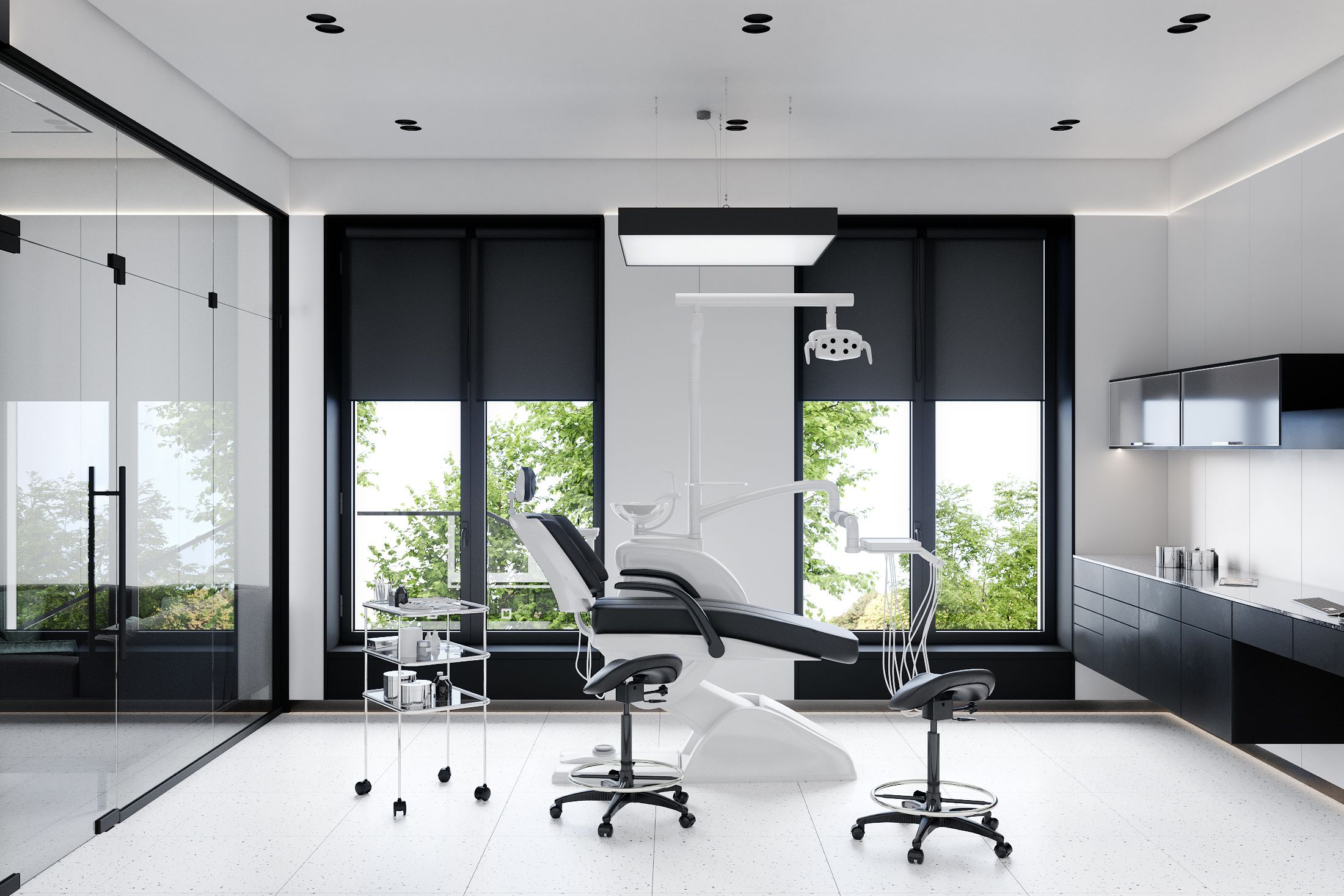

Professional London dentist consulting with a patient in a modern dental clinic

01

What London Patients Look for on a Dental Website Before Booking

Patients arriving at a dental website are typically in one of two states: they need routine care and are looking for a convenient, registered practice, or they are considering a specific cosmetic or restorative treatment and are comparing practices before committing. Both types are making a trust judgement in the first few seconds. GDC registration displayed prominently, a clean and professional design, clear treatment descriptions with realistic pricing guidance and visible reviews address the first question — are you credible and legitimate? — before the patient even reads a word of body text. Practices that fail on visual presentation lose patients to competitors before the content does any work.

02

NHS vs Private: Structuring Your Website for Both Patient Types

Many London dental practices offer both NHS and private treatment but present them on a single confusing services page. Patients searching for NHS dental registration and patients researching private cosmetic dentistry have completely different needs, timelines and budgets. A dedicated NHS page explaining your registration process, current availability, Band 1/2/3 charges and what is and is not covered on the NHS — and a separate private treatment section with procedure pages, pricing guidance and finance options — serves both audiences correctly and ranks for distinct search terms. 'NHS dentist accepting new patients London' and 'dental implants London' are searched by different people at different stages and need different pages.

03

Cosmetic Dentistry Pages That Rank and Convert

The highest-value traffic on a private dental website comes from procedure-specific searches: 'Invisalign London', 'composite bonding London', 'dental implants London', 'teeth whitening London', 'porcelain veneers London'. Each of these deserves its own dedicated landing page explaining the treatment, the process, the time involved, realistic before/after outcomes, pricing ranges and why your practice is qualified to deliver it. A single 'cosmetic treatments' page listing all services in bullet points ranks for none of these individually. A practice with seven dedicated procedure pages has seven chances to appear on page one for high-value search terms that bring in patients who are already decided on the treatment.

04

Online Booking Integration for Dental Practices

Patients searching for a dentist outside of reception hours — evenings, weekends, early mornings — represent a disproportionate share of enquiries from people actively comparing practices. Offering online booking directly from your website removes the barrier of calling during office hours and captures these high-intent visitors. Most established dental practice management systems — Dentally, Software of Excellence, Exact, R4 — offer embeddable booking widgets. Even a simple first-contact form asking for name, contact details, preferred appointment type and urgency level, followed by a call back within one working day, captures significantly more leads than a phone number alone. The booking CTA should appear on every page above the fold, not only on a contact page.

05

GDC Registration, BDA Membership and Trust Signals That Patients Notice

GDC registration is a legal requirement for dental professionals in the UK, and patients are increasingly aware of this. Displaying your GDC registration number, a link to verify on the GDC register and — where applicable — BDA membership, specialist accreditations (orthodontics, oral surgery, implantology) or Invisalign Provider status builds a layer of verified trust that generic dentist directories cannot replicate. A brief 'About the Practice' section explaining when the practice was established, the team's combined experience and the approach to patient care adds a personal dimension that builds connection before the first appointment.

06

Before/After Galleries: GDC Guidance and How to Use Them Effectively

Before/after photography is one of the most effective conversion tools for cosmetic dental practices, particularly for composite bonding, veneers, implants and orthodontics. The GDC permits patient photography with full informed consent documented. The images should be consistently lit and photographed, organised by treatment type, and accompanied by a brief description of the case, the treatment used and the time involved — not just a photo grid. This kind of structured case study format satisfies patient curiosity about realistic outcomes, addresses common questions about the treatment process and demonstrates depth of experience that a stock photo gallery cannot. Patient case studies without identifying details regularly generate the most time-on-page and the highest consultation conversion rates on dental websites.

07

Local SEO for London Dental Practices

Beyond procedure pages, location matters significantly for dental practices because most patients search within a radius of their home or workplace. Borough-specific pages — 'dentist in Islington', 'dental practice Clapham', 'NHS dentist Hackney' — rank well for local searches and bring in nearby patients who are ready to register. A fully optimised Google Business Profile with accurate opening hours, services listed, patient reviews and regular posts amplifies the local ranking signal from your website pages. Consistent NAP details (Name, Address, Phone) across Google, NHS Choices, Yell and dental directories reinforce the local signal. For practices with multiple locations, each location should have its own page with distinct local content.

Related services

Turn the research into a page.

These commercial pages connect the guide to enquiry-focused services, which supports topical depth and conversion.