WDSL

London web design guide

Web Design for Chiropractors and Chiropractic Clinics in London

A patient searching for a chiropractor in London is rarely browsing — they are in pain and looking for relief. Your website needs to establish credibility within seconds, explain your approach in plain English and make booking a first appointment as frictionless as possible. The practices that convert best do all three.

Ask for advice
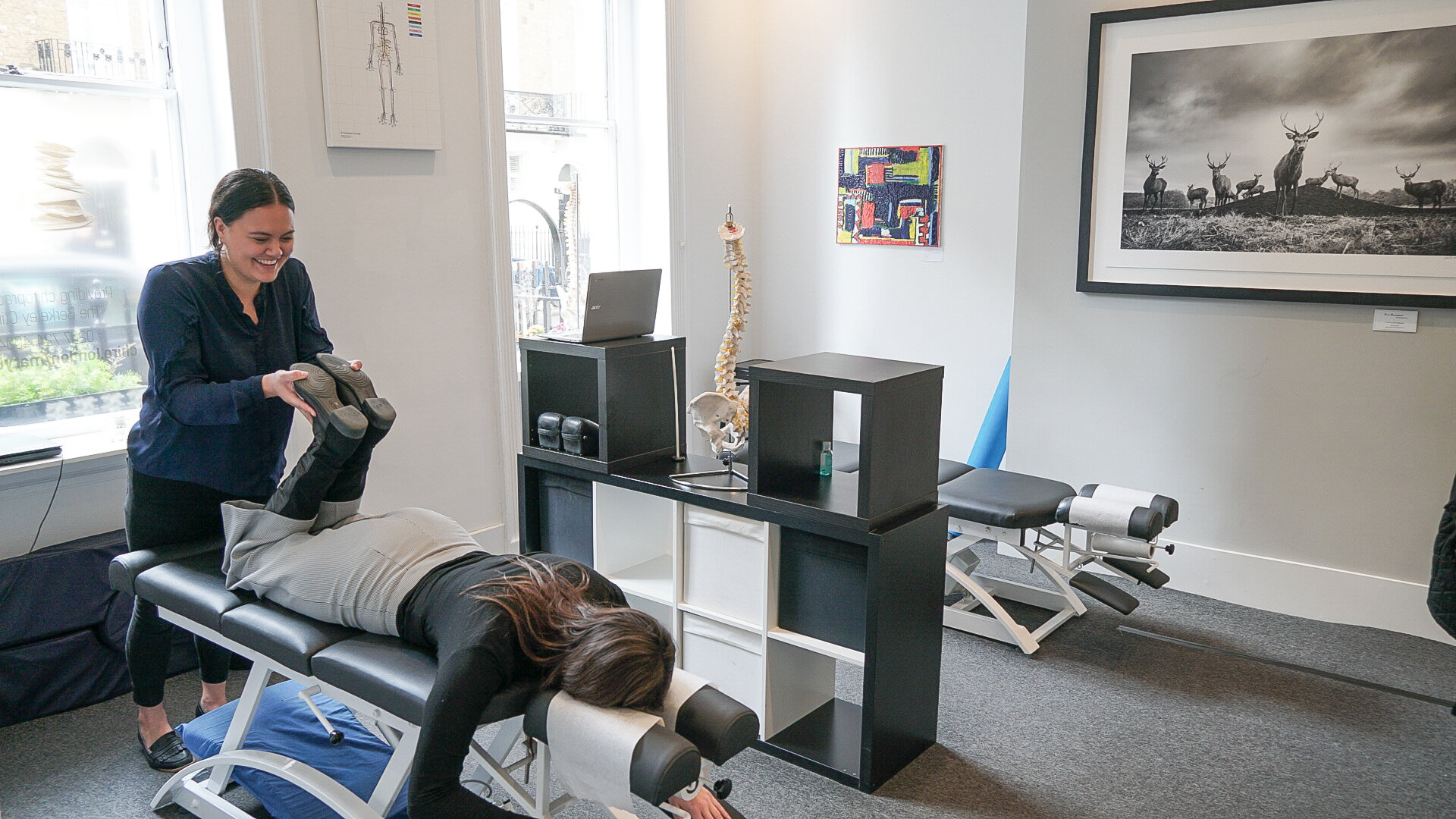

London chiropractor performing a spinal adjustment treatment at a professional clinic

01

What Patients Look for on a Chiropractor Website Before Booking

Patients arriving at a chiropractic website are making a trust decision about their body — an area where authority, qualifications and approach matter significantly. The questions they are implicitly asking are: is this practitioner properly qualified, do they treat my specific condition, and will the treatment feel safe? GCC registration displayed prominently, clear credentials for each practitioner, a plain-English explanation of what chiropractic treatment involves and what to expect in a first appointment, and visible patient reviews address these questions before the patient reads beyond the homepage. Clinics that lead with credentials and patient outcomes consistently out-convert clinics that lead with generic wellness language.

02

Condition-Specific Landing Pages That Rank and Convert

The majority of chiropractic searches in London are condition-specific: 'back pain chiropractor London', 'sciatica treatment London', 'neck pain chiropractor North London', 'headache specialist chiropractor', 'pregnancy chiropractor London', 'sports injury chiropractor Islington'. Each of these deserves a dedicated landing page that explains the condition, describes how chiropractic treatment addresses it, outlines the typical course of treatment and number of sessions, and includes a clear booking CTA. A clinic with eight condition pages has eight chances to rank on page one for high-intent, pain-driven searches. The patient who lands on a page titled exactly what they searched for — 'Sciatica Treatment London' — converts at a significantly higher rate than one who arrives on a generic chiropractic homepage.

03

Online Booking and First Consultation Flow

A patient in pain who visits your website at 10pm on a Sunday and cannot find a way to book without calling reception during opening hours is very likely to book the next clinic they find that has online booking. Clinics that offer direct online scheduling — whether through Cliniko, Jane App, Fresha or a simple Calendly integration — capture a disproportionate share of out-of-hours bookings from high-intent patients. The first appointment booking flow should explain what to expect: duration (typically 45-60 minutes for an initial consultation), what happens during the assessment, whether to bring any scans or referral letters, and the cost. Removing uncertainty about the first appointment reduces no-shows and cancellations.

04

GCC Registration and Professional Trust Signals

The General Chiropractic Council registers all practising chiropractors in the UK, and all chiropractors are legally required to be registered. Displaying your GCC registration number with a direct link to verify on the GCC register is both a legal expectation and a trust signal that differentiates registered practitioners from unregulated therapists offering manual therapy. For chiropractors with additional qualifications — masters degrees, sports chiropractic diplomas, Webster certification for pregnancy care, post-graduate training in specific techniques — these credentials should appear on individual practitioner profile pages with brief explanations of what the qualification involves. Patients who understand what a qualification means are more likely to choose the practitioner who holds it.

05

Clinic Team Profiles and Treatment Philosophy Pages

Patients choose their chiropractor as much as they choose the clinic. Individual practitioner profile pages with a professional photo, academic background, technique preferences, areas of interest and a brief personal statement — written in a human, accessible tone rather than clinical language — perform consistently well on chiropractic websites. These pages rank for practitioner name searches and give nervous patients a sense of connection with the person before they arrive. A clinic philosophy or approach page explaining your overall treatment model, whether you practice a specific technique school (Diversified, Activator Method, SOT, Gonstead) and your approach to patient education and home exercise programmes positions the clinic as thoughtful and evidence-informed.

06

Patient FAQ Content That Ranks for Common Search Queries

Patients searching for a chiropractor frequently also search for answers to questions about chiropractic before committing to an appointment: 'how many chiropractic sessions will I need?', 'is chiropractic safe?', 'what happens in a first chiropractic appointment?', 'does chiropractic hurt?', 'can a chiropractor help with sciatica?'. A well-structured FAQ page answering these questions in plain English ranks well for these long-tail informational searches and converts readers into enquiries because they arrive on your website already educated and reassured. FAQ content also demonstrates that the clinic communicates clearly and treats patients as informed adults — itself a trust signal for patients who are evaluating multiple practitioners.

07

Local SEO for London Chiropractic Clinics

Chiropractic patients almost always search for clinics within a reasonable travel distance — typically two to four miles. Borough and neighbourhood-level landing pages — 'chiropractor in Islington', 'back pain clinic Brixton', 'sports chiropractor East London' — work well because they combine a condition or service term with a location term in the way patients actually search. A Google Business Profile with photos of the clinic, all treatment types listed, verified address and consistent patient reviews amplifies the local SEO signal from these pages. For clinics accepting BUPA, AXA, Vitality or other private medical insurance, clearly stating this on your website and in your Google Business Profile captures a significant additional stream of self-funded and insurance-referred patients.

Related services

Turn the research into a page.

These commercial pages connect the guide to enquiry-focused services, which supports topical depth and conversion.