WDSL

London web design guide

Web Design for Caterers London

London catering clients — corporate event managers booking an annual dinner, couples choosing their wedding caterer, private clients planning a landmark celebration — compare multiple caterers online before requesting a quote. The catering company websites that win those enquiries communicate food quality through compelling photography, demonstrate experience across the specific event types clients are planning and make the path from first visit to quote request as short as possible.

Ask for advice
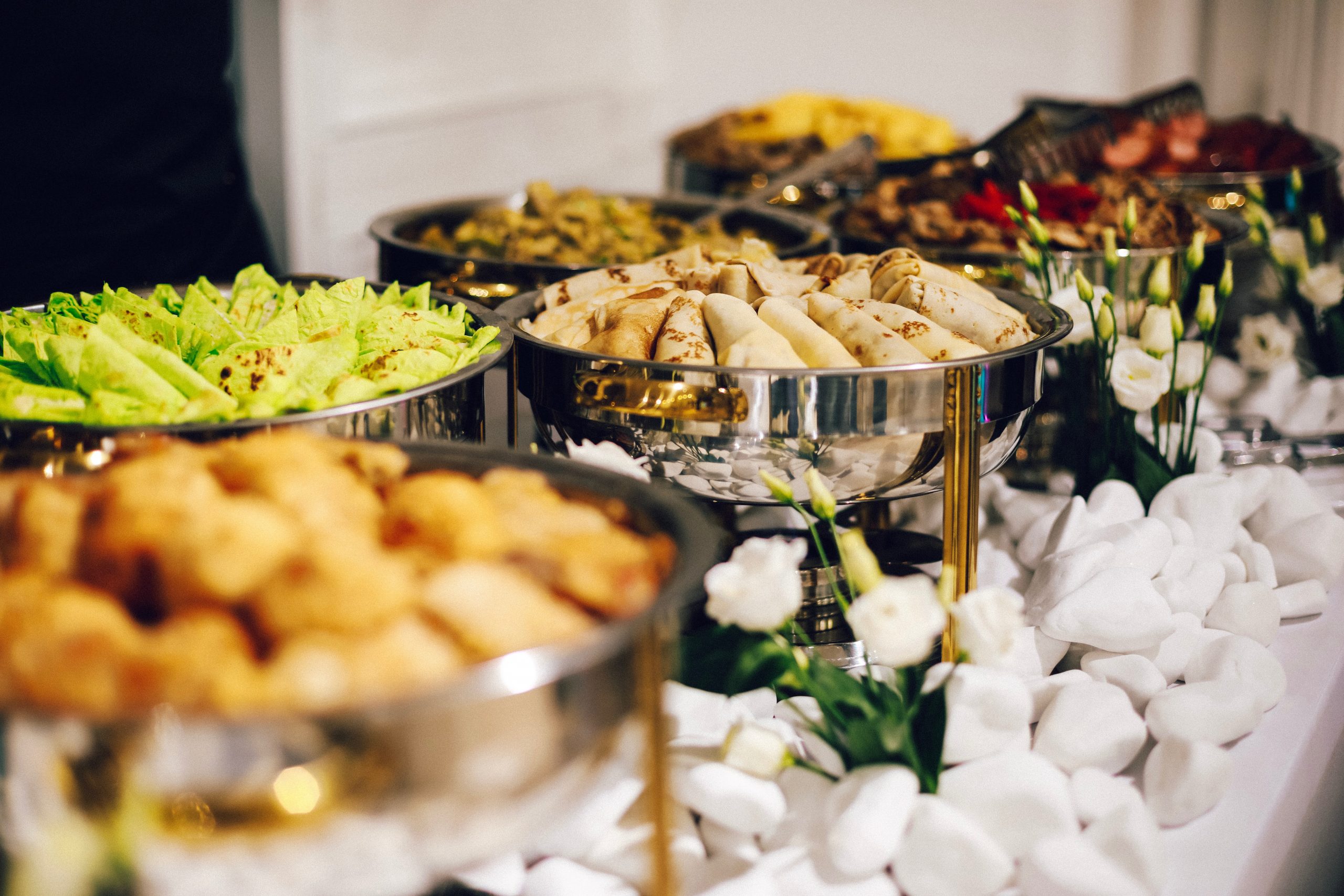

Elegant London catering company serving beautifully presented dishes at a luxury corporate event banquet

01

Food Photography as the Primary Conversion Tool

Nothing sells catering like food photography. If your website's primary visual content is low-quality or generic stock photography, no amount of copy about freshly sourced ingredients and passionate chefs will compensate. Invest in a professional food photographer — one shoot with a skilled food stylist can produce six months of website and social media content. Show finished dishes on the plate, show the plating process, show the service setup at real events and show the guests enjoying the food. Variety matters: a single overhead hero shot of one dish does not demonstrate your range. An event gallery that shows full table settings, drinks service, canapé presentation and dessert displays communicates the full scope of what you provide. For companies with a head chef or executive chef of note, chef profile pages with their background, training and signature dishes build credibility with clients who are specifically seeking culinary quality.

02

Event Type Pages for Each Market You Serve

London catering clients search for caterers by event type — 'wedding catering London', 'corporate event catering London', 'private dinner party caterer London', 'conference catering London', 'product launch catering'. Each of these is a different market with different priorities, different decision-makers and different budget levels. A dedicated page for each event type you cater allows you to speak directly to each audience: corporate event managers care about reliability, dietary flexibility and professional service; wedding couples care about menu customisation, tastings and whether the caterer has worked at their venue; private clients care about menu quality and discretion. Generic 'catering services' pages that list all event types without distinguishing between them rank poorly and convert poorly because they feel like they were not written for anyone in particular.

03

Menu Showcase and Dietary Accommodation

Your menu is the product, and prospective clients want to see it in detail before making contact. Menu pages that show seasonal menus — spring, summer, autumn, winter — with dish descriptions demonstrate both quality and adaptability. Canapé menus, bowl food menus, plated dinner menus, grazing table options, afternoon tea selections — each presented with photography where possible. Dietary accommodation is now a core expectation rather than an exceptional request: your website should make it immediately clear that you cater for vegan, vegetarian, gluten-free, dairy-free, halal and kosher requirements, and ideally show specific menu examples for each dietary category rather than a generic statement that 'dietary requirements can be accommodated.' Clear dietary information reduces pre-quote enquiry friction and attracts event managers who are managing guests with complex dietary needs.

04

Client Testimonials and Venue Relationships

In catering, testimonials from event managers and clients who have experienced the service across a full event — from setup through service through breakdown — carry particular weight. A testimonial that describes the team's professionalism under pressure, the food quality as it was served (not just as presented at tasting), the responsiveness of the sales and operations team and the overall experience of working with you across the planning process builds far more confidence than a general quality endorsement. Venue relationships are also a credibility signal worth displaying: if you are a preferred or approved caterer at recognised London venues — historic houses, conference centres, art galleries, event spaces — displaying these relationships signals experience and trust. Some venues will only refer clients to caterers they have worked with and trust, so preferred supplier status is a genuine competitive advantage.

05

Online Quote Request and Enquiry Pre-Qualification

Catering enquiries vary enormously in scope and viability — a quote request from a team wanting sandwiches for twenty requires a very different response to a corporate dinner for three hundred. Your quote request form should pre-qualify enquiries by capturing the essential information: event type, date, guest numbers, venue (known or still searching), service style required (canapés and drinks, plated dinner, buffet, full service), dietary requirements overview and approximate budget range. This information allows you to respond with a relevant indication of suitability and cost rather than a generic acknowledgement that adds another round-trip to the enquiry process. Displaying a minimum guest number or minimum event value on your website, if you have one, saves time on both sides and prevents enquiries that are not commercially viable.

06

Corporate Catering and Ongoing Contract Positioning

For catering companies that serve both event and corporate markets, the corporate section of the website should be treated as a distinct proposition. Corporate clients — office managers, PA teams, facilities managers — are looking for reliable, flexible, high-quality catering for recurring needs: working lunches, board meetings, training days, office parties, client entertainment. A dedicated corporate catering page that addresses their specific concerns — flexibility for last-minute orders, consistent quality across repeat bookings, streamlined invoicing, dietary management across regular client groups — converts corporate decision-makers better than a generic 'we do corporate events' statement. Contract catering clients represent higher lifetime value than one-off event clients, and the website content targeting them should reflect that value.

07

Local SEO for London Caterers

London's catering market is large and geographically spread. Corporate catering enquiries tend to cluster around business districts — City of London, Canary Wharf, Shoreditch, Mayfair, South Bank — while private event catering is more evenly distributed across London's residential areas. Location-specific content — 'corporate catering City of London', 'wedding caterer South London', 'private dinner caterer West London' — captures searches from clients who prefer a local caterer with knowledge of their area. A Google Business Profile with your kitchen address, service areas, photos of recent events and active review management improves local visibility. For caterers who operate nationally from a London base, clearly stating your operational geography on your website prevents wasted enquiries from venues beyond your delivery range.

Related services

Turn the research into a page.

These commercial pages connect the guide to enquiry-focused services, which supports topical depth and conversion.