WDSL

London web design guide

Web Design for Care Homes and Residential Care Providers in London

Choosing a care home for a parent or relative is one of the most difficult decisions a family makes. They are looking for trust, quality, warmth and transparency — and they are making that judgement on your website, often in a moment of considerable stress and urgency. The care homes that convert enquiries fastest are the ones that make families feel informed and reassured before they ever make contact.

Ask for advice
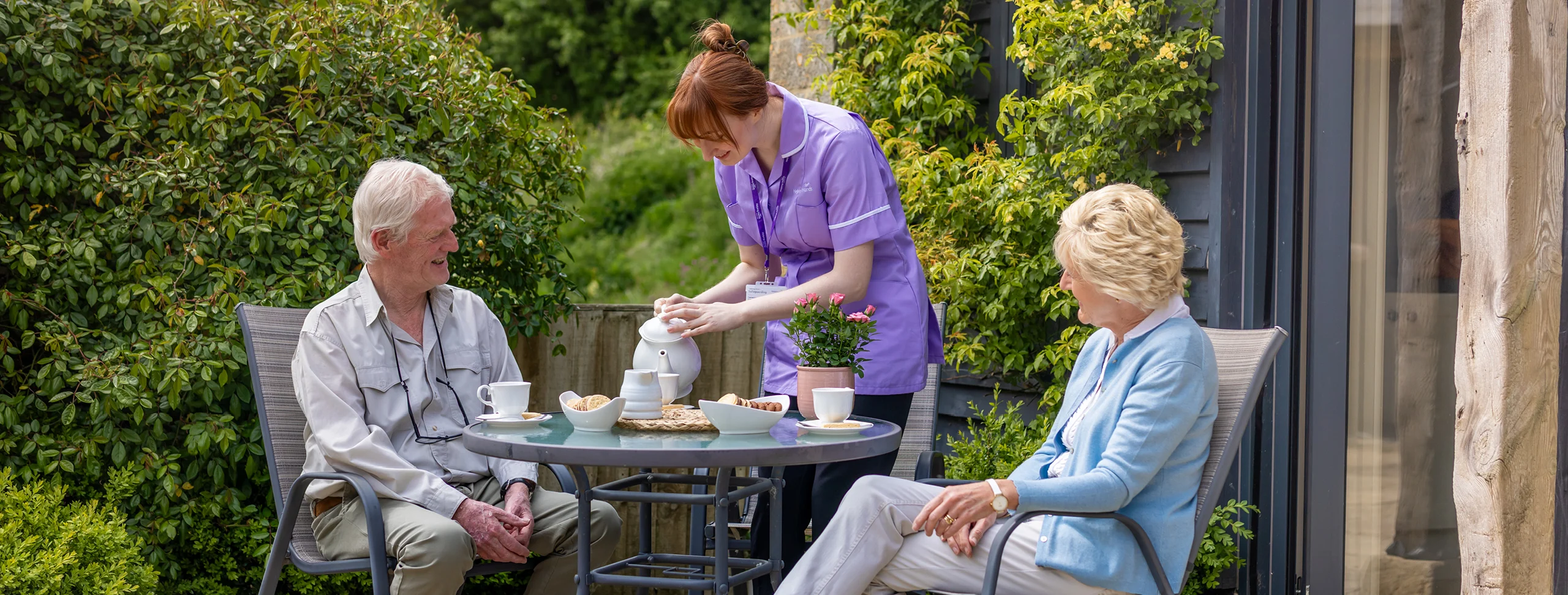

Care worker supporting an elderly resident in a warm and professional London care home

01

What Families Look for on a Care Home Website

Families searching for a care home for a loved one are asking fundamentally emotional questions dressed in practical language: is my parent safe here, will they be treated with dignity, what will their daily life look like, can we afford it? Your website needs to provide enough concrete information to answer the practical questions (CQC rating, care types offered, location, pricing approach) while communicating warmth, staff quality and an approach to care that resonates. Families who cannot find CQC inspection information, get no indication of pricing, see only stock photography and are given only a generic contact form are very unlikely to enquire — they have not received enough information to justify the emotional investment of making the call.

02

CQC Rating Display and Regulatory Transparency

The Care Quality Commission rates all registered care providers in England on five domains: Safe, Effective, Caring, Responsive and Well-led. Displaying your current CQC rating prominently — not buried in a footnote — is the single most powerful trust signal on a care home website. For providers rated Good or Outstanding, the CQC badge is a clear competitive differentiator. For providers with a Requires Improvement rating, acknowledging it transparently and explaining what has changed since the inspection builds more trust than hiding it — families will find it on the CQC website regardless. A direct link to the full inspection report on the CQC website shows confidence in your record and removes suspicion that you are concealing something.

03

Care Type Pages: Residential, Nursing and Dementia Care

Families searching for care rarely search for a generic 'care home' — they are searching for a specific type of care: 'dementia care home London', 'nursing home with en-suite rooms North London', 'residential care for elderly London', 'respite care London short term'. Dedicated pages for each care type you offer allow your home to rank for these specific searches, and more importantly, allow families to find the information about the specific type of care they need without having to sift through general content. A dementia care page that explains your specific approach to dementia — your staff training, the environment design, the daily routine, how you support families — converts families searching for dementia care at a far higher rate than a general page mentioning dementia in a bullet list.

04

Facility Photography and Virtual Tours

Professional photography of your care home — bedrooms, communal areas, gardens, dining room, activity spaces — is one of the most important investments you can make in your website. Families need to visualise their relative living there, and stock photography of generic care settings does nothing to help them. Real photos of real spaces, showing the quality of furnishings, the light in the rooms, the size of the garden and the character of the building communicate what no amount of text can. For care homes that have invested in refurbishment or expansion, before/after photography documents the quality of the environment. Virtual tours using Google Street View or dedicated 360 photography allow families who cannot visit in person — those who are geographically distant or who are early in their search — to get a genuine sense of the home before making contact.

05

Pricing and Funding Guidance for Families

Care fees are a source of significant anxiety for families, and a website that provides no pricing information at all signals that costs are either variable, high or embarrassing. While exact fees depend on room type, care needs and specific circumstances, publishing a fee range — 'from £1,200 per week for residential care, from £1,400 per week for nursing care' — removes the uncertainty that prevents many families from making contact. Guidance on funding options — self-funding, NHS Continuing Healthcare, local authority funding, Deferred Payment Agreements, equity release — is frequently searched by families who do not understand the funding landscape. A plain-English guide to care funding is one of the highest-traffic pages on any well-optimised care home website and positions the home as a helpful resource rather than simply a commercial provider.

06

Staff Team Pages and Care Philosophy

Families choosing a care home are choosing people as much as facilities. A care team page with photos, names, qualifications and a brief description of each key staff member — the registered manager, lead nurses, activity coordinator, chef — communicates the human reality of who will be looking after their relative. A care philosophy page that explains your approach — person-centred care, meaningful activity, dignity and independence — in specific, practical terms rather than marketing language builds credibility. Specific examples of how you support residents with particular needs or interests, described in the language of care rather than commerce, communicate genuine understanding of what good care looks like.

07

Local SEO and Enquiry Conversion for London Care Homes

Care home searches are local by nature — 'care home in Ealing', 'nursing home North London', 'dementia care Southwark'. Borough-level and neighbourhood-level pages with genuine local content — proximity to hospitals, transport links for visiting families, local parks and community connections — rank well and give families relevant context for the location decision. Google Business Profile optimisation with current photos, accurate contact details, all care types listed and consistent reviews from families of current or former residents amplifies the local ranking signal. An enquiry form that asks for the type of care needed, approximate timeline and location preference — not just a generic contact form — pre-qualifies enquiries and signals to families that you take a structured, professional approach to new referrals.

Related services

Turn the research into a page.

These commercial pages connect the guide to enquiry-focused services, which supports topical depth and conversion.