WDSL

London web design guide

Web Design for Builders and Building Contractors in London

The highest-value residential contracts in London — extensions, loft conversions, full refurbishments — rarely come through Rated People or MyBuilder. They come from homeowners who have already decided to build and are choosing between two or three builders based on the quality of their previous work, their accreditations and the professionalism of their presentation. Your website is the deciding factor.

Ask for advice
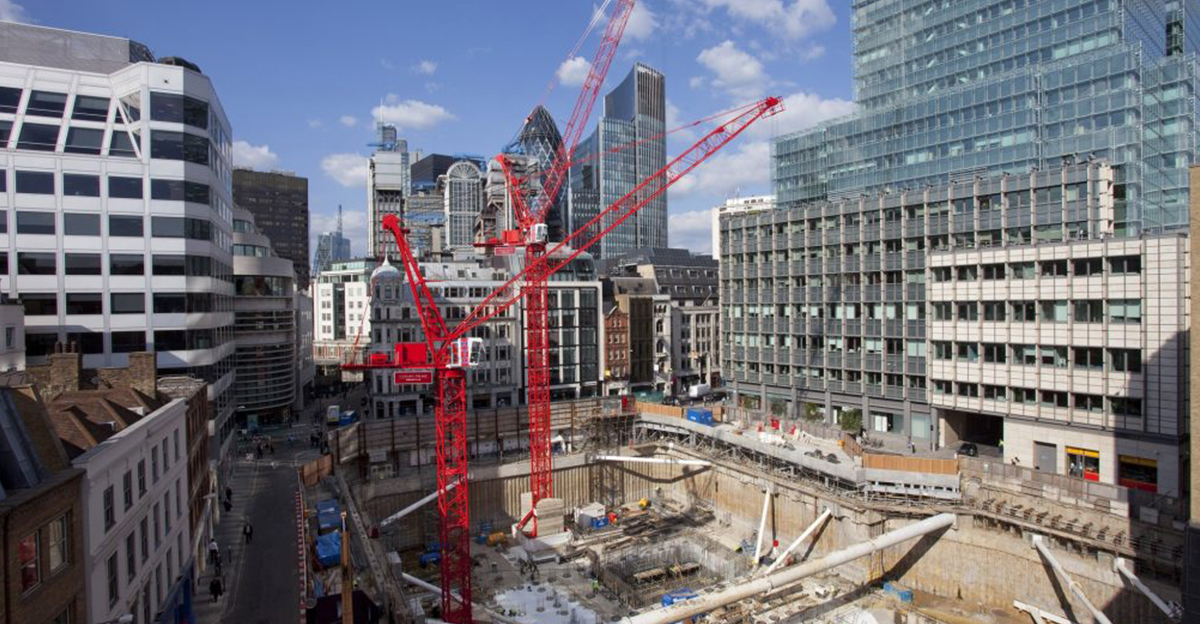

London builder reviewing construction plans at a residential extension project site

01

Why Most London Builder Websites Fail to Win Contracts

The majority of London builder websites share the same failure modes: a one-page site with a phone number and a brief list of services, stock photography instead of actual project work, no verifiable credentials or accreditation, and no way for a prospective client to self-qualify whether this builder has done projects of the type and scale they need. A homeowner spending £80,000 on an extension is not going to call a builder whose website looks like it was built on a free template in 2016. The website signals the quality of the business — and by extension the quality of the work — before a single conversation happens.

02

Project Gallery: The Most Important Page on a Builder's Website

Your project gallery is the single most important sales tool on your website. Prospective clients want to see work that looks like what they want to commission — the same type of project (extension, loft conversion, kitchen refurbishment), at a similar scale, in a similar property type. The gallery should be organised by project type rather than chronologically, each entry should show before/during/after photography with a brief case description (project type, scope, borough, approximate duration), and the images should be well-lit and professionally shot where possible. A gallery of eight to twelve well-documented projects in your core service areas converts consistently better than forty photos without context.

03

Service Pages That Rank for High-Value Residential Work

London homeowners searching for specific building work use specific search terms: 'loft conversion builders London', 'house extension contractor Hackney', 'full house refurbishment North London', 'kitchen extension South London'. Each of these search patterns needs its own landing page that describes the service, explains your process, shows relevant project examples, lists approximate timelines and pricing ranges, and includes a clear enquiry form. A single 'our services' page listing everything in a bullet list ranks for nothing specifically and loses visitors who need reassurance that you specialise in what they want built, not that you do everything.

04

Building Trade Accreditations and How to Display Them

Federation of Master Builders membership, TrustMark registration, CHAS accreditation, Construction Line registration — these credentials matter to homeowners making large financial commitments and to clients required to use accredited contractors for insurance or warranty purposes. Display them prominently, not buried in a footer. A brief explanation of what each accreditation means — 'FMB member builders are independently vetted and insured' — converts better than a logo alone because many homeowners do not know what the initials stand for. Public liability insurance details (amount covered, underwriter) add an additional layer of confidence for clients who have been briefed by their solicitor or surveyor to check contractor insurance before committing.

05

Quote Request Forms That Qualify Leads Before the Call

Most builder websites have a generic contact form with name, email and message. This generates enquiries from people at every stage of consideration — people who are five years away from building and just want to know if it is feasible, and people who have planning permission and want to start in three months. A structured quote request form asking for project type, approximate scope, desired start date, postcode and budget range does two things: it pre-qualifies the enquiry so you know immediately whether it is worth pursuing, and it signals to serious clients that you work at a professional level. Builders who screen enquiries this way report spending significantly less time on non-converting calls and significantly more time on clients who are ready to build.

06

Borough-Level SEO for London Builders

Most building contractors serve a defined area of London — North, South, East or West — and compete most effectively for clients searching within that geography. Dedicated borough-level landing pages targeting 'builders in Hackney', 'extension contractors Brixton', 'loft conversion builders Islington' work because Google's local algorithm rewards geographic specificity. Each area page should reference actual projects completed in that borough, include the borough name in the page title and heading, and link to relevant project types from the gallery. A builder serving twelve boroughs who creates twelve area pages with genuine local content substantially outperforms a competitor with a single London-wide services page.

07

How We Build Websites for London Building Contractors

We build builder websites around the project gallery, service pages and local SEO — the three things that drive enquiries from clients with serious building projects. The design is clean and professional, calibrated to the scale of work you do and the clients you want to attract. We handle photography guidance, copywriting, on-page SEO, Google Business Profile optimisation and ongoing technical maintenance. Most building contractor projects take four to six weeks from brief to launch. Contact us to discuss your core service areas, the types of projects you want to win and the boroughs worth targeting.

Related services

Turn the research into a page.

These commercial pages connect the guide to enquiry-focused services, which supports topical depth and conversion.