WDSL

London web design guide

Web Design for Beauty Salons London

A London beauty salon website needs to do one thing above all: make it easy for a new client to book a specific treatment with a specific therapist at a specific time, without leaving your site to complete the booking. Every design and content decision — the booking widget placement, the treatment menu structure, the therapist profiles — should serve this goal. Salons that capture bookings through their own website reduce Treatwell commission exposure, build a client database they own, and appear in treatment-specific searches that directories rarely rank for.

Ask for advice
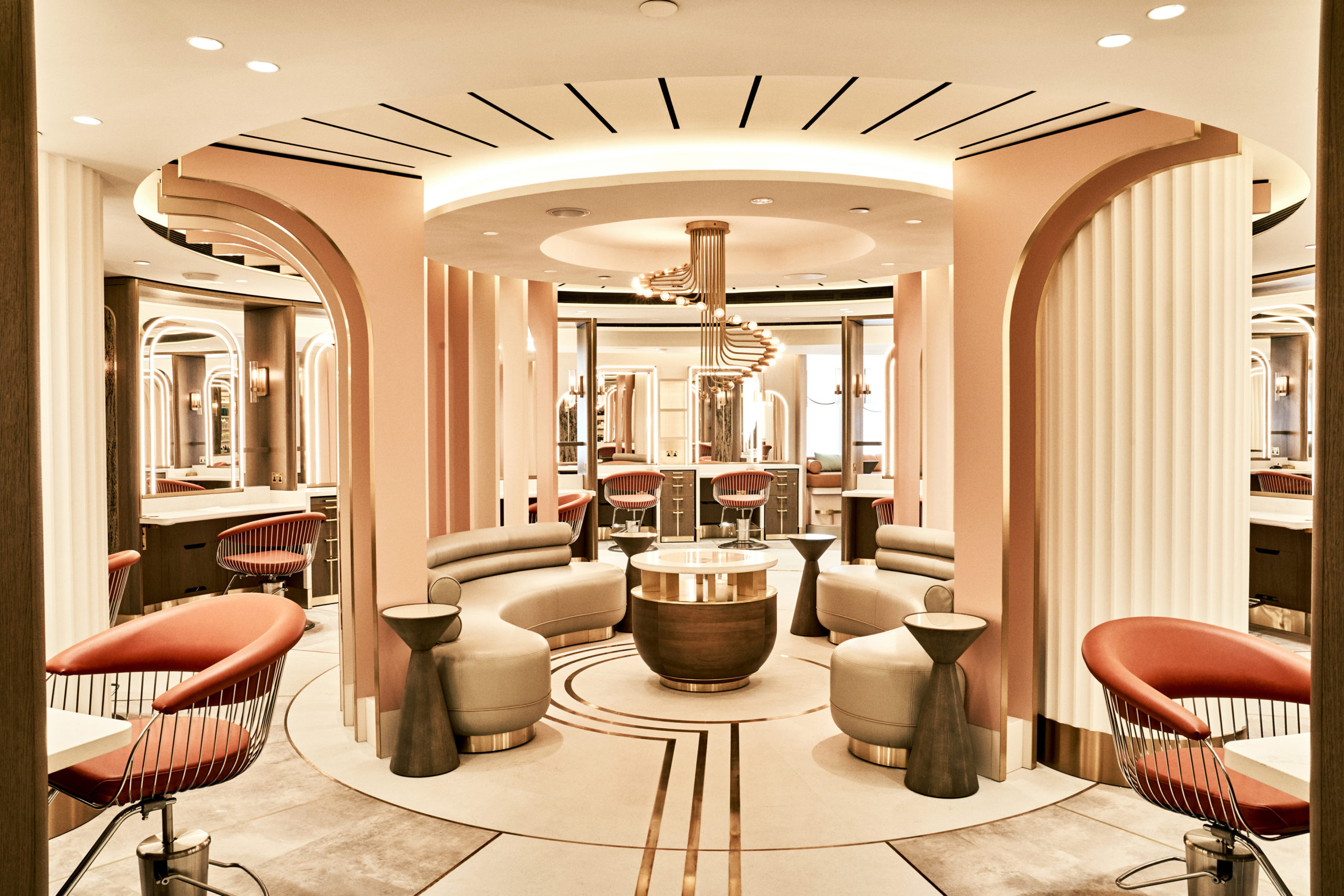
Modern London beauty salon interior showing treatment area with professional lighting and skincare products

01

Online Booking Integration and Treatwell Commission Reduction

Treatwell charges London beauty salons 20–30% commission per booking made through the platform — for a busy central London salon processing 150+ bookings per month, that is £1,500–£4,000 in monthly commission on revenue the salon itself could retain. Fresha (formerly Shedul), Vagaro, and Timely all offer commission-free or fixed-subscription booking systems that can be embedded directly into your salon website. Fresha in particular is widely used by independent London salons and offers a clean, mobile-optimised booking widget. The placement logic is identical to restaurants: the booking button should appear in the navigation on every page, in the first visible section of the homepage, and on each individual treatment page. A dedicated 'Book Now' page that loads the booking widget without redirect reduces drop-off from visitors who clicked through specifically to book. Salons that move even 40% of bookings to their own site typically recover the cost of a professional website within six months from commission savings.

02

Treatment Menu Structure and Service Page SEO

Most London beauty salon websites list their treatments in a single table or PDF price list. This approach loses significant organic search value. A structured treatment menu — with individual pages or sections for each major service category (facials, lash extensions, microblading, massage, nails, waxing, threading) — allows Google to understand precisely what each treatment is, gives each service keyword a dedicated URL to rank, and makes it easy for treatment-specific searches to land on a relevant page. 'Lash extensions Clapham', 'microblading Islington', 'Korean glass skin facial Shoreditch' are all searches with clear booking intent that a well-structured salon website can win. Each treatment page should include: treatment name and description, duration, price, therapist who offers it, aftercare requirements, and a clear booking CTA. This structure also allows you to run Google Ads for specific high-value treatments (Hydrafacial, Morpheus8, lash lift) with ads pointing to dedicated landing pages rather than your homepage.

03

Therapist Profiles and the Personal Trust Factor

Beauty treatments are personal and trust-dependent — clients frequently book with a specific therapist rather than a specific salon. A website that gives each therapist their own profile page drives bookings from clients who found the therapist on Instagram, were referred to them personally, or met them at a previous salon. Each therapist profile should include: a professional photo taken under good lighting (not a phone selfie), the therapist's core specialisms and qualifications (VTCT Level 3, NVQ Beauty Therapy, advanced lash courses, BABTAC membership), the specific treatments they perform, their working days and availability pattern, client testimonials referencing them by name, and a direct booking link that pre-selects their name in the booking system. This structure also serves as long-tail SEO: 'Sarah Johnson lash technician London' or 'CACI facial therapist Notting Hill' are low-competition searches that can rank easily with a dedicated page.

04

Before-and-After Photography and Social Proof

Before-and-after photography is the primary conversion tool on a beauty salon website. A client considering microblading, lip filler, eyelash extensions, or a skin treatment wants to see realistic outcomes on real clients — not stock photos or manufacturer imagery. Your website should feature a gallery of before-and-afters for each core treatment category, photographed under consistent lighting (outdoor natural light for eyebrow and lash work; ring light or studio flash for skin treatments), with consistent framing and background. Including the treatment name, the session number if it is a course (e.g. 'After 3 sessions of Obagi facial'), and the client's consent note maintains trust and sets realistic expectations. Google and Instagram engagement data consistently shows that before-and-after content generates the highest click-through and enquiry rates of any content type in the beauty sector. This content should appear on your website treatment pages, not only on Instagram — it needs to exist on a URL Google can index.

05

Gift Vouchers, Packages and the Revenue Multiplier

Gift vouchers are one of the highest-margin revenue streams for London beauty salons: zero labour cost, immediate cash, and the buying peak (Christmas, Mother's Day, Valentine's Day, birthdays) aligns with periods when therapists already have capacity constraints. Your website should have a permanently visible gift voucher page — not buried in a menu — with clear value options (£50, £75, £100, £150), the ability to purchase online with immediate email delivery, and personalised message options. Wellnessfor, Treatwell, and Fresha all offer native voucher tools; alternatively, Giftup is a standalone tool that integrates with most booking systems. Treatment packages — a course of six facials, a skin programme with product included, a bridal package across multiple appointments — allow clients to commit to a longer relationship and pay upfront, improving cash flow and reducing cancellation rates. Package pages with before-and-after examples from completed courses are highly effective conversion content.

06

London Beauty Salon SEO: Area and Treatment Combinations

The most valuable searches for a London beauty salon combine a treatment type with a location: 'best facial Hackney', 'semi-permanent brows Clapham', 'nail bar Brixton', 'waxing Mayfair'. These searches have clear buying intent and are far less competitive than generic city-level terms. Structure your website to target the specific combinations relevant to your services and borough: a page titled 'Eyelash Extensions in Clapham SW4' targets clients in the immediate area searching for that treatment. Your Google Business Profile should list every relevant service category available — Google allows salons to add individual services with descriptions and prices, which appear in the GBP panel and can generate bookings directly from the search page without the client visiting your website at all. A consistent stream of client photos posted to GBP (with consent), weekly treatment updates and a prompt review response cadence are the highest-impact local actions for salon visibility.

07

Skin Clinic Positioning and Advanced Treatment Pages

London beauty salons that offer advanced skin treatments — Hydrafacial, Morpheus8, Profhilo, LED light therapy, chemical peels, microneedling, HIFU — should position these services separately from standard beauty treatments, both in the website structure and in the branding. Clients searching for these treatments are typically spending £150–£500+ per session and making a considered purchase decision; they compare multiple providers, read about the technology, and look for clinical credentials. A dedicated 'Skin Clinic' section of your website — separate from the general beauty menu — should include: the technology and brand name (Hydrafacial, Obagi, Environ), the clinical background of the therapist performing the treatment (Level 4 aesthetic training, medical-grade training certificates), a treatment walkthrough (what happens before, during and after the session), a realistic outcomes section with before-and-after photographs and session count context, and a FAQ page addressing common concerns about pain, downtime, skin reactions, and contraindications.

WS

Written by

Web Design Studio London

A specialist web design and digital studio based in Covent Garden, London. We build conversion-focused websites, ecommerce stores, and web applications for London businesses — combining strategy, design, and Next.js development in-house.

Related services

Turn the research into a page.

These commercial pages connect the guide to enquiry-focused services, which supports topical depth and conversion.