WDSL

London web design guide

Web Design for Barbers London

A London barber's website needs to convert a new client from 'I need a fresh cut' to 'booked, tomorrow at 2pm' in under 60 seconds. The majority of barber website visits happen on mobile, between 7am and 9am before the commute, from someone who decided that week they need a haircut. Remove every step between arriving on the site and having a confirmation in their inbox. A clean booking flow, clear pricing, and evidence of your cut quality shown in a well-presented portfolio are the only things that stand between a visitor and an appointment.

Ask for advice
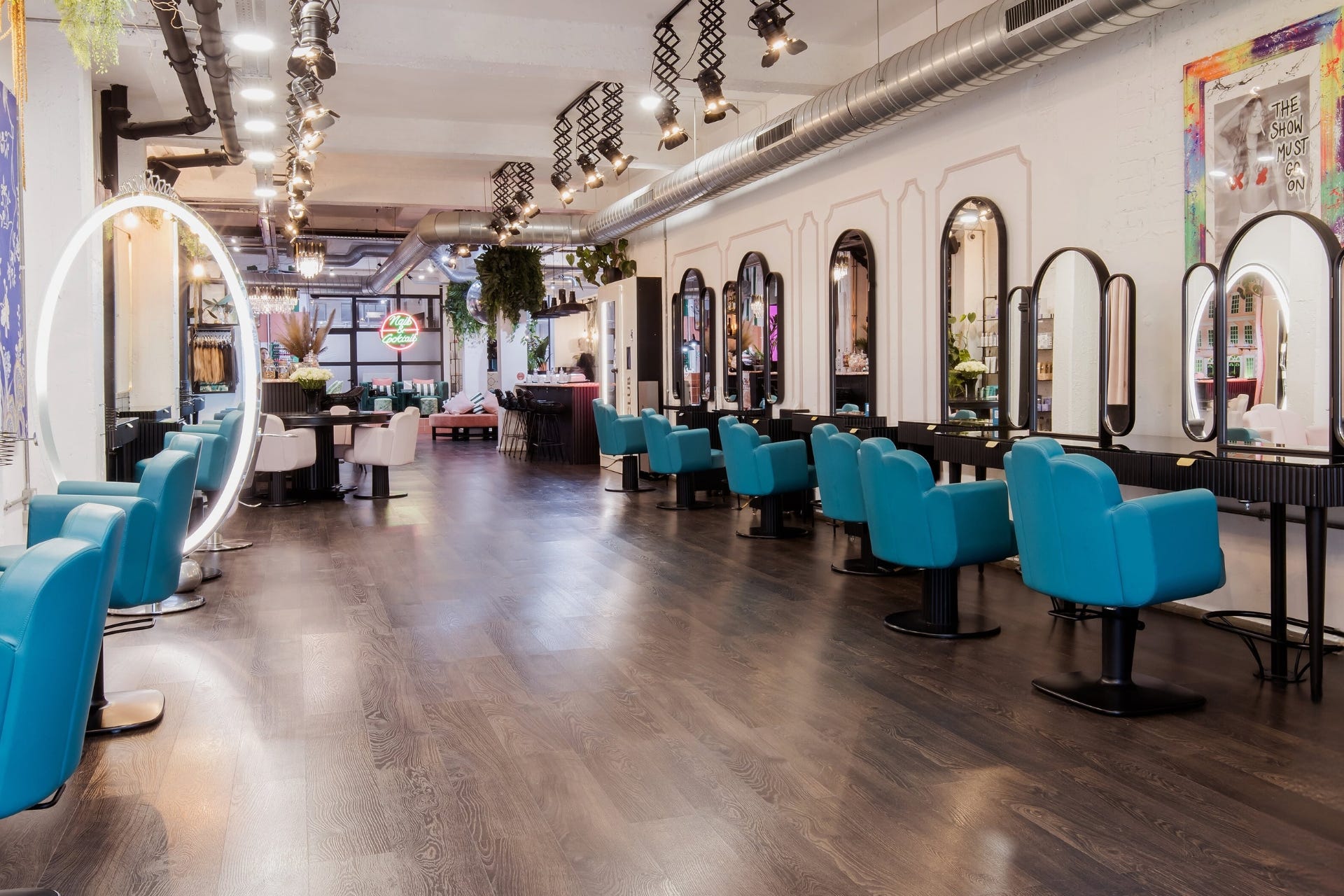
Modern London barber shop interior with classic styling chairs and professional grooming studio setup

01

Online Booking: The Central Commercial Function

Most London barbers still rely on walk-ins or phone calls — which means they lose the customer who decides they want a cut at 10pm on Sunday when the shop is closed. Online booking systems built for barbershops — Squire, Booksy, Treatwell, Fresha, or Timely — allow clients to book specific barbers for specific services at specific times, 24 hours a day. The booking widget should be embedded directly in your website, not opening in a separate tab or redirecting to the platform's own booking page. Above-the-fold placement of the booking button on every page — homepage, services, about — ensures it is always one tap away. For Squire users particularly, the native website integration is clean and mobile-optimised. A confirmed booking with automated SMS reminder significantly reduces no-shows and removes the need for manual appointment calls. Barbers who add online booking typically see 30–40% of appointments from new clients booked outside working hours — previously lost demand.

02

Portfolio and Social Proof: Showing the Work

Haircuts are a visual product. A barber's portfolio is the most powerful booking tool on the website, and it needs to be better than their Instagram grid. Website portfolio images should be photographed consistently — good natural light or a ring light, neutral background, consistent framing from the front and both sides for every cut — rather than mixed casual shots taken in various lighting conditions. Organise the portfolio by style category: skin fades, scissor cuts, textured crops, quiffs and pomps, beard trims, shape-ups, classic gentleman's cuts. Each category signals to a prospective client that you can do what they want before they ask. If specific barbers have signature styles or specialisms — one barber known for textured curly cuts, another for traditional scissor work — separate portfolio sections by barber rather than mixing everything. Client testimonials referencing the barber by name, the cut type, and the area they travel from ('I drive from Hackney every three weeks for Jake's skin fade') are the format that converts new clients most effectively.

03

Service Menu, Pricing Transparency and Barber Selection

London barber pricing varies from £15 at a high-street walk-in shop to £55+ at a premium grooming studio, and prospective clients want to know your pricing before they decide to book. A clear services and pricing page — not just a list on Instagram — gives clients the confidence to commit. Format it simply: service name, description (e.g. 'Skin fade with scissor finish — complete fade to bald skin at sides and back with textured scissor work on top'), duration, and price. For multi-barber shops, indicate whether pricing varies by barber (senior/junior tiering is common). Include beard service pricing separately: beard trim, beard shape-up, straight razor shave, beard and cut combos. If you sell grooming products — pomade, wax, beard oil, styling clay — add a products section with price and availability. Seeing the service menu and pricing immediately reduces the most common objection to booking: uncertainty about cost.

04

Barber Profiles: Building the Individual Following

In a multi-barber shop, clients develop loyalty to specific barbers, not to the shop as an institution. A website that gives each barber their own profile page — with a proper photo, their specialisms (skin fades, scissor cuts, beard work, textured Afro hair, women's cuts), their working days, and a portfolio of their best work — allows clients to select and book with confidence. Individual barber pages also rank for name searches: 'Marcus Johnson barber Brixton', 'best fade barber Hackney', or 'textured curl specialist North London'. For a senior barber with a following on Instagram or TikTok, the profile page bridges social media audience with bookings — someone who found them on Instagram can immediately book rather than waiting for the DM response. Include each barber's social links on their profile so that clients who want to follow their work have a direct path, and so Google can associate the social presence with the business listing.

05

Local SEO: Ranking for the Haircut Searches in Your Borough

London barber searches are hyper-local. The most commercially valuable searches are 'barber near me', '[borough] barber', 'skin fade [area]' and 'best barber [neighbourhood]'. Google Maps results dominate these searches — so your Google Business Profile is the most important SEO asset for a barbershop. It should be fully complete: precise address, correct opening hours including any variation by day, all services listed with individual descriptions and prices, 30+ quality photos of the shop interior and recent cuts, and an active review response cadence. New reviews matter disproportionately in the barber sector — recent reviews signal that the business is still active and the quality is consistent. Actively encouraging clients to leave a Google review after a visit (a small sign at the mirror, a text message follow-up via your booking system) is the highest-impact local marketing activity a London barber can do. Your website complements GBP: borough-specific landing pages targeting 'barber Shoreditch E1', 'fade haircut Peckham SE15', 'traditional wet shave Marylebone' give you organic rankings for the long-tail area searches that GBP alone cannot fully capture.

06

Grooming Studio Positioning: Premium vs High-Street Differentiation

London's barber market bifurcates between high-street shops (£15–£25, walk-in focused, high volume) and grooming studios (£35–£60, appointment-only, experience-focused). If your business occupies the premium segment, your website needs to communicate this positioning immediately: the design aesthetic, the photography quality, the copywriting tone, and the booking experience all need to signal that this is not the local walk-in. Premium grooming studio markers include: bespoke interior photography showing the shop environment (leather chairs, exposed brick, curated shelving), a product range featuring premium brands (Reuzel, Baxter of California, American Crew, Wahl professional), a service menu written with more detail and explanation than a price list, and a booking flow that emphasises consultation and the client experience. If your studio offers additional services — hot towel shaves, beard treatments, scalp massages, grooming consultations — these should each have their own page, positioned as an experience rather than a commodity service.

07

Mobile-First Design and the Commute Booking Moment

Barber website traffic is among the most mobile-concentrated of any local service sector: over 80% of visits come from smartphones, and a significant proportion happen during morning or evening commutes. Your website must load in under 2 seconds on a 4G connection, be fully navigable with one thumb, and have the booking button visible without scrolling from the moment the page loads. The portfolio gallery must load images lazily (only as the user scrolls to them) to prevent slow initial load times, and images should be compressed to web format without visible quality loss. Contact information — phone number and address — should be clickable: a phone number that opens the dialler, an address that opens Google Maps. If your website requires more than three taps to complete a booking from the homepage, you are losing customers to the next barber on the search results page who has made it simpler. Test your website on a real phone, on a 4G connection, not on a desktop browser.

WS

Written by

Web Design Studio London

A specialist web design and digital studio based in Covent Garden, London. We build conversion-focused websites, ecommerce stores, and web applications for London businesses — combining strategy, design, and Next.js development in-house.

Related services

Turn the research into a page.

These commercial pages connect the guide to enquiry-focused services, which supports topical depth and conversion.