WDSL

London web design guide

Web Design for Architects London

An architecture practice's website is evaluated with the same critical attention as its buildings. Prospective clients commissioning significant residential extensions, new builds or commercial projects spend time with your portfolio before making contact — assessing whether your design approach matches their ambition, whether your track record covers their project type and scale, and whether you are the kind of practice they want to work with. The practices that win the best projects invest in websites that meet that standard of scrutiny.

Ask for advice
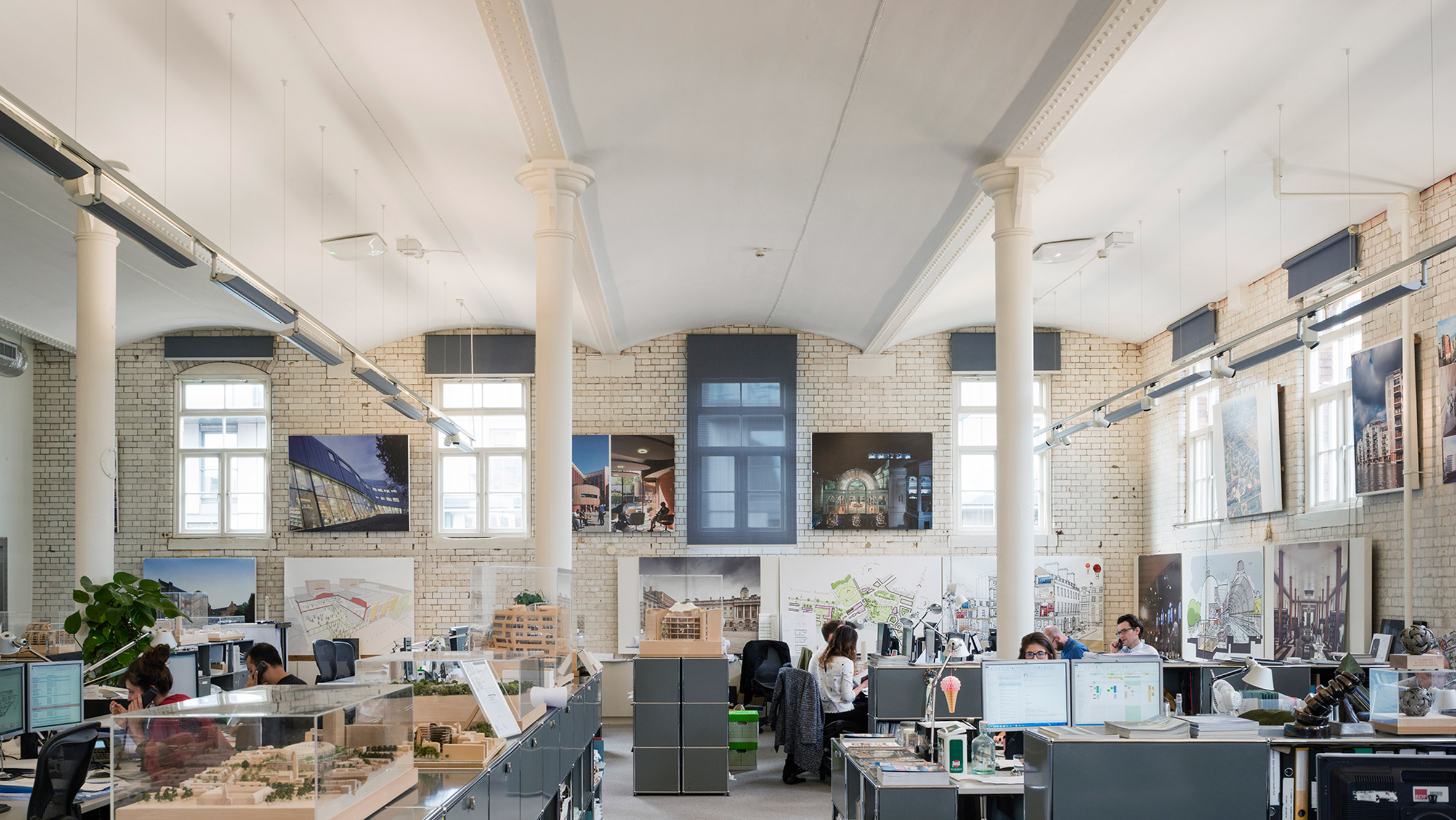

London architecture practice studio with architectural drawings and scale models of contemporary building designs

01

Portfolio Presentation and Project Depth

Architecture portfolio websites succeed or fail on the quality of how they present projects. Not just image quality — though that matters — but the depth of context that helps a prospective client understand the design challenge and the response. Each project page should open with the brief: site constraints, client requirements, planning context and design ambitions. It should show the process — sketch designs, planning drawings, construction details where appropriate — as well as the completed building. It should close with the outcome: how the building performs for the client, any awards or publications that have recognised it, and ideally a client quote about the experience of working with the practice. This level of project narrative demonstrates design intelligence, not just visual output, and distinguishes your portfolio from practices that display only finished photography.

02

Sector and Project Type Pages

Most architecture practices have specific areas of expertise — residential extensions and new builds, commercial fit-out, heritage and listed building work, public sector commissions, mixed-use development, hospitality design. Each of these areas has its own client audience and its own search landscape. A practice that does significant residential extension work in London should have a dedicated page for this service: explaining the planning process for residential extensions, the design approach the practice takes, typical project scales and budgets, and a selection of relevant projects. The same applies to each sector and project type the practice works in. These pages rank for project-specific searches — 'architect for house extension London', 'listed building architect London', 'commercial architect London' — and allow each page to speak directly to the specific client's situation.

03

RIBA Membership, ARB Registration and Professional Credentials

In architecture, the distinction between a registered architect (ARB-registered, protected title) and an architectural designer or technologist is significant and legally meaningful. Your ARB registration and RIBA membership should be displayed clearly on your website — the ARB number is verifiable by prospective clients and signals that you are a qualified, regulated professional. For clients who are not clear on the distinction, a brief explanation of what ARB registration and RIBA membership mean is worth including: it demonstrates regulatory accountability, appropriate professional indemnity insurance and adherence to RIBA's code of conduct. RIBA Chartered Practice status, if held by the firm, is an additional quality signal that larger clients and public sector clients in particular will look for.

04

Design Philosophy and Practice Positioning

The best architecture websites are not just portfolios — they articulate a position. What does the practice believe about the relationship between architecture and landscape? How does it approach the tension between client requirements and planning constraints? What does it think about sustainability, material selection, daylight, sequence of space? A concise practice manifesto or design approach statement — genuinely held and specifically expressed, not generic sustainability boilerplate — attracts clients whose values align and repels clients who are simply looking for the cheapest planning application. For young practices in particular, a clear and distinctive design philosophy is often more compelling than a long project list, because it explains why the work looks the way it does and signals the kind of work the practice wants to attract.

05

Awards, Publications and Press Coverage

Architecture awards and press coverage carry significant weight with prospective clients who are researching practices. RIBA National Awards, Civic Trust Awards, AJ Architecture Awards, RIBA London Awards — displaying these with project images and award descriptions builds immediate credibility. Press coverage in Architectural Review, Dezeen, Wallpaper, The Spaces, Grand Designs Magazine, or local and national press — with publication logos and article summaries — signals that other informed observers have recognised the quality of your work. For practices doing residential projects, coverage in Homes & Gardens, House & Garden or self-build and renovation media is particularly relevant. A dedicated press or recognition page that collects all of this together becomes a powerful standalone conversion page for clients who arrive specifically looking for evidence of quality.

06

The Client Enquiry Process and Fee Transparency

Architecture fees confuse many prospective clients — and the uncertainty around cost is one of the primary barriers to making an initial enquiry. Your website should explain the stages of an architectural appointment (RIBA Plan of Work stages or your own equivalent), what each stage involves and how fees are typically structured, whether as a percentage of construction cost, a fixed fee or an hourly rate. This explanation should be honest and broadly indicative even if specific fees are only confirmed after a site visit and brief discussion. An enquiry form that asks for project type, approximate location, planning history (if a listed building or conservation area), anticipated start date and approximate budget allows you to respond with relevant information rather than generic acknowledgement. Reducing the uncertainty around the first conversation increases the likelihood that prospective clients make contact rather than moving on.

07

Local SEO for London Architecture Practices

Architecture client searches are typically project-specific and geographically qualified — prospective clients want a practice with local planning knowledge and local planning relationships. 'Architect for house extension Hackney', 'listed building architect Kensington', 'commercial architect City of London', 'architect for loft conversion Islington' — these searches are made by clients in the early stages of a specific project and represent high-quality enquiry opportunities. A Google Business Profile is worth maintaining with your office address, service areas and recent project photography. For practices with particular strength in specific London boroughs or neighbourhoods — due to relationships with local planning officers, previous projects in the area or specific knowledge of local development patterns — location-specific content that signals this expertise can significantly improve visibility for the most valuable local searches.

Related services

Turn the research into a page.

These commercial pages connect the guide to enquiry-focused services, which supports topical depth and conversion.