WDSL

London web design guide

Web Design for Aesthetics Clinics London

The aesthetics client typically spends weeks or months researching before booking a consultation. They visit multiple clinic websites, scrutinise before-and-after photos, read reviews, check practitioner credentials and compare pricing before making contact. The London aesthetics clinics that win this research phase have websites built around clinical trust, treatment-specific detail and frictionless booking — not just attractive design. Your website is your most powerful conversion tool in a competitive and regulated market.

Ask for advice
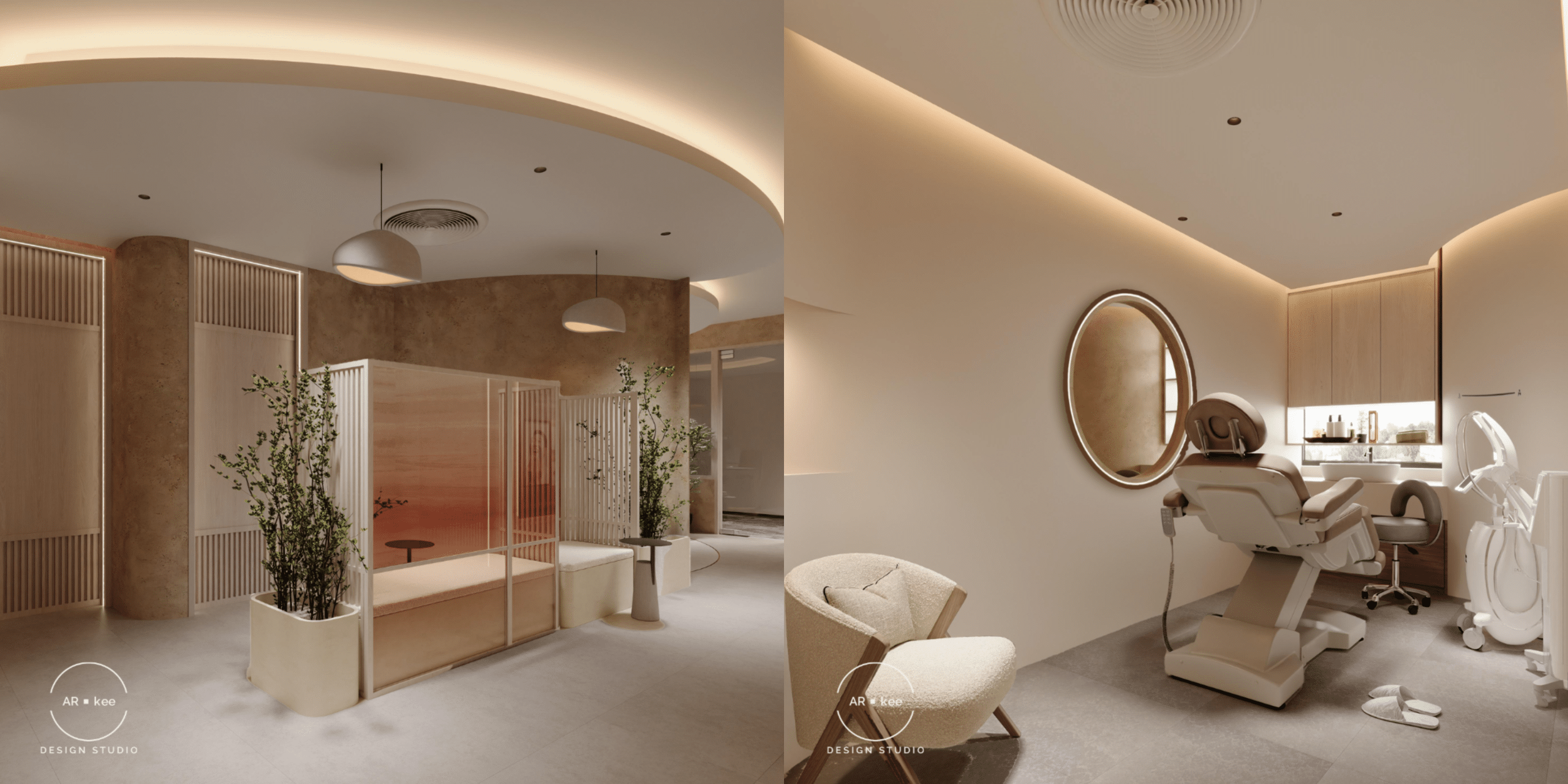

Modern aesthetics clinic treatment room with professional medical aesthetic equipment in London

01

Practitioner Credentials and Clinical Trust Signals

In a market saturated with unregulated practitioners offering aesthetics treatments from pop-up clinics and beauty rooms, established clinical credentials are a primary competitive advantage. Your website should present your medical qualifications, nursing registration (NMC), prescribing status and aesthetics-specific training clearly and in detail — not buried in small print, but prominently displayed on your about page and referenced on every treatment page. GMC-registered doctors, NMC-registered nurses and dental professionals who practice aesthetics can display their registration numbers with links to the relevant register, providing verifiable proof of regulated status. Membership of professional bodies — BACN, BCAM, JCCP accreditation — should be displayed with logos and links. The clients who research most thoroughly before booking are often the most valuable long-term clients, and they are specifically looking for these credentials.

02

Treatment Pages Structured for Search and Conversion

Each aesthetics treatment should have its own dedicated page optimised for the specific search term clients use. 'Anti-wrinkle injections London', 'dermal fillers London', 'profhilo London', 'HIFU face lift London', 'skin booster injections London', 'lip filler London' — each of these is a distinct search with distinct client intent. A treatment page that ranks and converts explains what the treatment involves, who it is suitable for, how long it takes, what results to expect, how long results last, aftercare requirements, contraindications and pricing. Thin treatment pages that merely list the treatment name and a price fail both to rank and to convert clients who are still in the decision phase. Structured treatment pages with genuine detail and before-and-after evidence are the foundation of an effective aesthetics clinic website.

03

Before-and-After Galleries and Outcome Evidence

For aesthetics treatments, before-and-after photography is the most persuasive conversion tool available — and the most scrutinised. Your gallery must show genuine results from your own clients, photographed consistently (same lighting, same angle, appropriate time after treatment), with JCCP-compliant or CAP-compliant presentation that avoids claims not supported by clinical evidence. Clients comparing clinics will judge the quality of your results from your gallery more than any other single factor. Organising your gallery by treatment type — all lip filler results together, all profhilo results together — makes it easy for prospective clients to assess your work for the specific treatment they are considering. Video testimonials with real clients discussing their experience and showing their results carry even more weight than photography alone.

04

Online Booking and Consultation Flow

The conversion goal of an aesthetics clinic website is almost always a consultation booking — either a paid consultation or a free initial assessment. Your booking flow should be as frictionless as possible: real-time availability, minimal form fields, immediate confirmation. A pre-consultation form that asks about the client's areas of concern, any relevant medical history, and what outcomes they are hoping to achieve allows you to prepare thoroughly and demonstrates professionalism. Many aesthetics clinics still rely on WhatsApp or phone enquiries for booking — while these should remain available, an online booking system that shows real availability and confirms instantly converts significantly better, particularly for clients booking outside business hours. A page explaining what to expect at the consultation — what will be discussed, whether a treatment will take place on the same day, what consultation fee (if any) covers — reduces pre-consultation anxiety.

05

Pricing Transparency and Treatment Packages

Aesthetics pricing is a complex topic — treatments vary significantly in volume used, area treated and complexity, making fixed pricing often misleading. However, complete pricing opacity is a significant conversion barrier in a market where clients are comparing multiple clinics. The most effective approach is starting-from pricing ('anti-wrinkle injections from £180') accompanied by a clear explanation of how the final price is determined (number of areas treated, product used, practitioner seniority). Treatment package pages — combining multiple treatments with a total investment and treatment timeline — appeal to clients who want a comprehensive plan rather than individual treatments. Transparent pricing pages, even if indicative rather than fixed, improve both organic search visibility (Google values transactional pages with pricing information) and conversion rates.

06

Reviews, Testimonials and Third-Party Verification

Aesthetics is a high-trust, high-consideration purchase. Client reviews on Google, Trustpilot and RealSelf are independently verifiable and carry more weight than testimonials displayed on your own website. Your website should display live review feeds from Google and Trustpilot using API integrations that show real-time scores and recent reviews. Case studies that walk through the consultation, treatment plan, procedure and results for a specific client — with their consent and photographs — build the detailed trust that drives bookings for complex cases. Review generation should be a systematic part of your post-treatment process: automatic review request emails sent one to two weeks post-treatment consistently outperform manual or ad-hoc requests.

07

Local SEO and London Aesthetics Market Visibility

London's aesthetics market is competitive but geographically fragmented — clients typically prefer a clinic within a reasonable distance from home or work. Borough-specific pages ('aesthetics clinic Kensington', 'botox Chelsea', 'filler clinic Mayfair') and a well-optimised Google Business Profile are essential for local visibility. Your Google Business Profile should be verified, have a complete service list with individual entries for key treatments, display current offers and be actively updated with new posts and response to reviews. Location pages that describe your clinic's position, transport links and parking (where relevant) serve both local SEO and the practical needs of clients planning their visit. For clinics with multiple locations, each location needs its own page and its own Google Business Profile.

Related services

Turn the research into a page.

These commercial pages connect the guide to enquiry-focused services, which supports topical depth and conversion.