WDSL

London web design guide

By Web Design Studio London

What Makes a Great Ecommerce Website for a London Brand

A London brand competing online is up against well-funded international D2C stores in the same search results and the same Instagram feeds. A great ecommerce site is not the one with the prettiest homepage — it is the one engineered to convert. Here is what that takes.

Ask for advice

Ecommerce conversion analytics — online shop web design for a London brand

01

Pick the platform for where the brand is going, not just where it is

The platform decision shapes everything after it. For most London brands, Shopify is the sensible default — mature, reliable, with a deep app ecosystem and payment, shipping and inventory handled out of the box, so the team can focus on selling rather than maintaining infrastructure. It scales from a first product launch to serious volume without re-platforming. A custom or headless build (often a Shopify back end with a bespoke front end) makes sense when performance, a distinctive brand experience, or unusual functionality matter more than editorial simplicity — typically for a brand competing hard on design against international names. The wrong move is choosing a platform for today's catalogue and outgrowing it in a year. Decide based on where the brand is heading: catalogue size, order volume, and how much the shopping experience itself needs to differentiate you.

02

Speed is revenue, not a technical nicety

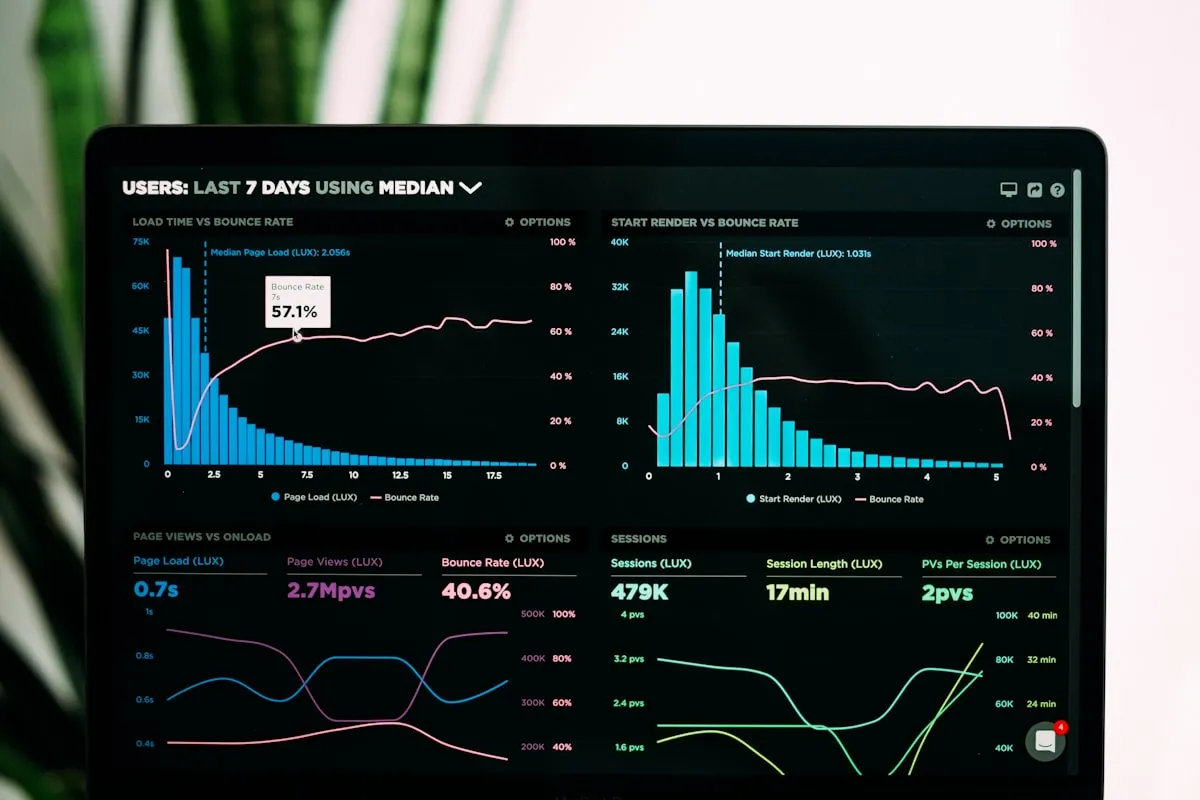
In ecommerce the link between speed and money is direct and measurable: every additional second of load time measurably reduces conversion, and mobile is where most London shopping discovery now happens. A store that takes four seconds to load its product page is losing sales it never sees — the visitor is gone before the 'add to basket' button appears. This is why product imagery has to be beautiful and fast at the same time. Correctly optimised images in modern formats, a front end that does not ship unnecessary JavaScript, and a checkout that loads instantly are not back-office concerns — they are conversion levers. A London brand that is half a second faster than its competitor on mobile is, all else equal, making more money from the same traffic. Core Web Vitals are both a ranking signal and a sales signal.

03

The product page is where the sale is won or lost

Homepages get the attention, but the product page does the selling. The elements that convert: multiple high-quality images including scale and detail shots, a clear price and obvious add-to-basket, concise but complete description covering the questions that cause returns (sizing, materials, fit, care), genuine reviews, and transparent delivery and returns information before the customer has to hunt for it. Uncertainty kills the sale — every unanswered question is a reason to leave. For London fashion and lifestyle brands specifically, the product page also carries the brand. It has to feel considered and on-brand while still being ruthlessly functional. The brands that win combine editorial-quality presentation with frictionless mechanics — beautiful enough to justify the price, clear enough that the customer never hesitates. Most underperforming stores fail not on the homepage but on thin, uncertain product pages.

04

Checkout: remove every reason to abandon

Most abandoned baskets are abandoned at checkout, and the causes are consistent: unexpected costs appearing late, forced account creation, a long or confusing form, and too few payment options. A great checkout shows total cost including delivery early, offers guest checkout, keeps the form as short as possible, and supports the payment methods London shoppers expect — cards, Apple Pay and Google Pay, and increasingly buy-now-pay-later for the right products. Mobile checkout deserves particular care, because that is where most abandonment happens. Auto-filled fields, large tap targets, and payment wallets that skip manual card entry can lift completion meaningfully. The discipline is to treat every field and every step as a potential exit and justify its existence. Shaving friction off checkout is often the single highest-return change available to an established London store.

05

Discovery: be found by the London shopper

A beautiful store nobody finds makes no money. Ecommerce SEO means product and collection pages structured to rank for what shoppers search — the specific product, style or category, often paired with intent ('London', 'UK delivery', a style niche). Clean URLs, unique product descriptions rather than the manufacturer's copy, Product schema with price and availability, and fast pages all feed this. Thin or duplicated product copy is a common reason a store with good products ranks poorly. For London brands, the combination that works is search-ready product pages plus the social and content channels the audience actually uses — the website as the conversion destination that paid and organic discovery point to. Put together, a great London ecommerce site is fast, findable, beautiful where it counts, and engineered so that nothing stands between a browsing shopper and a completed order.

WS

Written by

Web Design Studio London

A specialist web design and digital studio based in Covent Garden, London. We build conversion-focused websites, ecommerce stores, and web applications for London businesses — combining strategy, design, and Next.js development in-house.

Related services

Turn the research into a page.

These commercial pages connect the guide to enquiry-focused services, which supports topical depth and conversion.