London web design guide

When Your London Product Brand Needs Its Own Ecommerce Site

Etsy and marketplaces build their brand, not yours. When a London product brand is ready to own its customer relationship and conversion rate, a properly built ecommerce site is the infrastructure that makes that possible.

Ask for advice
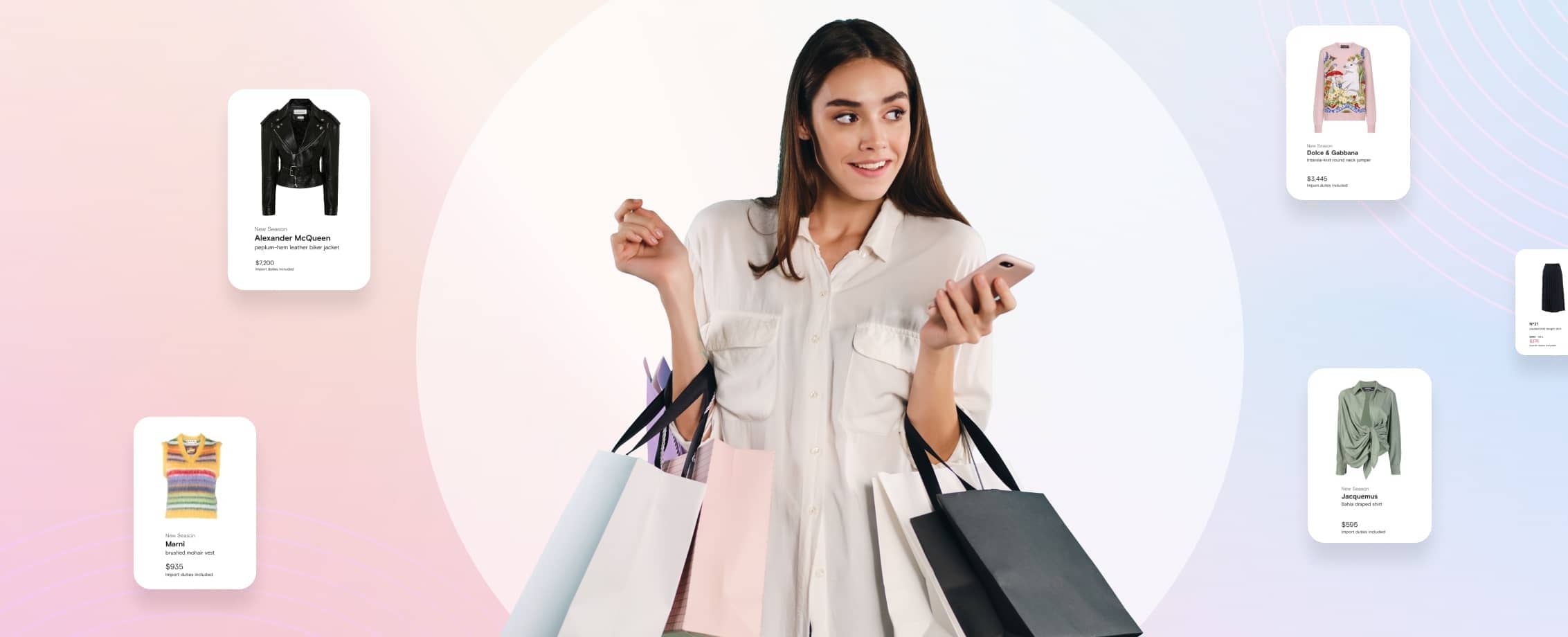
London fashion and lifestyle brand products displayed for an ecommerce product shoot

01

The Ceiling You Hit on Marketplaces and Generic Themes

Etsy controls your ranking, your customer data, and your fees — and can remove your listings without appeal. Shopify's free themes are generic by design: they work for the average store, not for a brand with a specific identity and a product that needs explaining. London independent brands making £100,000–£500,000 per year on marketplaces consistently find that a custom ecommerce site recaptures margin, builds direct customer relationships, and opens channels — wholesale, press, corporate gifting — that marketplaces never could.

02

Product Pages Built Around the Purchase Decision

A product page's job is to eliminate doubt. That means copy that explains what the product is, who it is for, what it is made from, how it compares to alternatives, and what to expect after purchase — not a three-word name and four bullet points. Mobile checkout must be frictionless: London shoppers increasingly complete purchases on their phones, and every additional tap or form field loses a measurable percentage of buyers. Trust signals at cart stage — guaranteed delivery windows, a clear returns policy, sizing or specification details — address the final objections before payment.

03

Technical SEO for Product Pages and Collections

Ecommerce sites fail at SEO for predictable reasons: thin product descriptions duplicated across variants, paginated collection pages that split link equity, missing structured data that would produce rich results, and canonical tag errors that cause Google to index the wrong URL. We implement Product schema on every item — enabling price and availability in search results — set proper canonicals across filtered collection pages, and write unique meta descriptions for every category that rank for commercial search terms. A well-structured product taxonomy is the difference between a store Google treats as an authority and one it treats as thin content.

04

Choosing Between Shopify and a Custom Next.js Store

Shopify works well for brands with 10–500 SKUs that want built-in inventory management, a payment stack, and an ecosystem of third-party apps. A custom Next.js store with a headless CMS makes sense when you need complete design control, a heavily customised product configuration flow, or performance requirements that Shopify's storefront cannot meet. We have built both, and we give honest advice on which platform fits your current scale and your three-year growth plan — not whichever has a higher agency margin.

05

What We Build for London Product Brands

We build ecommerce stores for London brands that have outgrown their current platform or need a proper online presence for the first time. A typical project includes a homepage with brand positioning, collection architecture designed for SEO, product page templates built for conversion, mobile checkout optimisation, Product and BreadcrumbList schema, and Google Analytics 4 setup with purchase tracking. We work with fashion, beauty, food, homewares, and gift brands — typically delivering in four to six weeks at a cost of £2,500–£6,000 depending on catalogue size and custom functionality requirements.

Related services

Turn the research into a page.

These commercial pages connect the guide to enquiry-focused services, which supports topical depth and conversion.